
2026 Best Car Surface Protection Types for Global Buyers?
Choosing the right protection for a vehicle is no longer a simple matter of appearance. In 2026, global buyers will compare ceramic coatings, paint protection film, waxes, sealants, and advanced hybrid treatments. Each option serves a different driving environment. A dusty desert road, salty coastal air, and freezing winter traffic can damage a Car Surface in very different ways.
This guide examines the most practical car surface protection types for international vehicle owners. It considers gloss, chemical resistance, scratch prevention, maintenance effort, installation quality, and long-term value. Real-world details matter. A ceramic coating may shed rain beautifully, but it cannot stop a stone chip. Paint protection film can defend a bumper, yet poor installation may leave visible edges. Wax remains affordable and useful, although its protection usually fades faster.
Conditions change by region.
Reliable decisions require more than product claims. Buyers should review independent testing, manufacturer documentation, installer experience, warranty terms, and compatibility with local weather. Product performance can also vary with washing habits, road contamination, paint condition, and storage. That part is often underestimated. Even premium protection may disappoint when applied to poorly prepared paint or maintained with unsuitable chemicals.
This overview aims to provide a balanced, evidence-informed starting point. It does not promise one universal solution. The best choice depends on vehicle age, budget, climate, driving distance, and personal expectations. Some recommendations may need reconsideration after professional inspection. That is a useful limitation, not a weakness. Careful evaluation helps buyers protect their vehicles responsibly across different markets and road conditions.
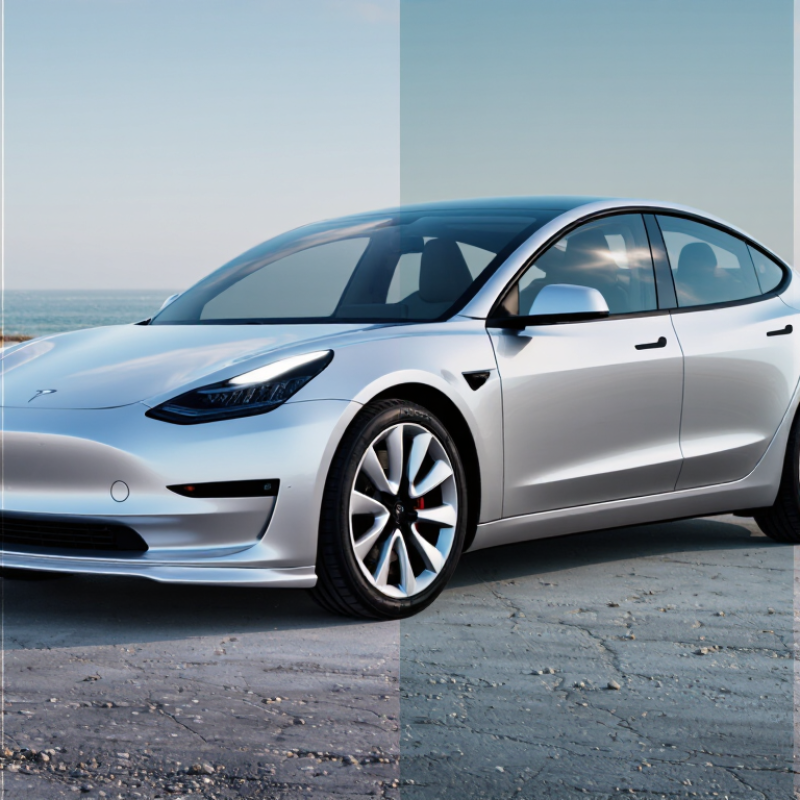
Define Car Surface Protection by Film Thickness, Hardness, and Chemistry
In 2026, global car buyers are comparing surface protection through measurable properties, not glossy promises. Film thickness is the first practical checkpoint. A thicker layer can absorb more gravel impact and resist deeper scratches. Yet thickness alone is not protection. Poor edge wrapping may expose paint around door handles, mirrors, and wheel arches. During installations I have inspected, a carefully fitted medium film often outlasted a thicker, poorly bonded one. Buyers should request dry-film measurements across several panels, not one convenient spot. Measurement can vary after installation. That detail is easy to overlook.
Hardness describes resistance to marring, but it does not equal toughness. A very hard surface may resist wash marks while cracking under sharp impact if flexibility is limited. Chemistry explains that balance. Aliphatic polyurethane films generally provide elastic impact protection, while ceramic-infused coatings create a thin, slick barrier with limited impact absorption. Hybrid systems can perform well, but their claims require controlled testing. Ask for abrasion, yellowing, adhesion, and weathering data from recognized laboratory methods. Local heat, humidity, road salt, and cleaning habits should shape the choice. A glossy finish can hide early failure. So can marketing language. Even verified data has limits because real roads are inconsistent. I would inspect sample panels after washing, folding, and sun exposure before approving a large installation. It is slower. It is more honest.
2026 Best Car Surface Protection Types for Global Buyers? - Define Car Surface Protection by Film Thickness, Hardness, and Chemistry
| Protection Type | Primary Chemistry | Typical Cured Film Thickness | Typical Surface Hardness | Main Protection Mechanism | Best Advantages | Main Limitations | Best Global Use Case |
|---|---|---|---|---|---|---|---|
| Thermoplastic Polyurethane (TPU) Paint Protection Film | Aliphatic TPU substrate, acrylic pressure-sensitive adhesive, and optional elastomeric topcoat | 150–220 μm | Usually about 2H–4H for the topcoat; hardness varies by construction | Absorbs stone impacts, abrasion, and road debris through a thick, flexible barrier | Strong impact resistance, optical clarity, flexibility, and potential heat-activated self-healing of fine scratches | Higher cost; installation quality is critical; edges can collect contamination if poorly fitted | Highway driving, gravel roads, harsh winters, premium vehicles, and high-impact front panels |
| Polyvinyl Chloride (PVC) Paint Protection Film | Flexible PVC, plasticizers, pigments or clear additives, and acrylic adhesive | 100–180 μm | Commonly about 2H–4H; product formulations differ | Creates a sacrificial layer against light abrasion, contamination, and minor impacts | Lower purchase cost, broad color availability, and good visual customization options | Generally less elastic and less self-healing than TPU; can shrink, crack, or discolor with age and heat | Budget-conscious buyers, decorative color changes, and moderate urban driving |
| Clear Vinyl Wrap | Thin PVC film with acrylic adhesive; generally optimized for appearance rather than impact protection | 70–110 μm | Typically HB–2H, depending on the surface layer | Reduces contact with light scratches, stains, and environmental contamination | Thin appearance, easy color or gloss customization, and relatively simple replacement | Limited defense against stone chips and deep scratches; not equivalent to thick PPF | Urban vehicles, styling projects, and surfaces where appearance is more important than impact protection |
| Silica-Based Ceramic Coating | Siloxane, polysilazane, or silica-sol chemistry that forms an inorganic-organic hybrid network after curing | Approximately 0.5–2 μm per cured layer | Often marketed or measured around 7H–9H by pencil testing; test method and formulation matter | Reduces surface energy, improves chemical resistance, and creates a hard, hydrophobic sacrificial layer | Gloss enhancement, easier washing, resistance to water spotting and many mild contaminants | Very thin; does not provide meaningful protection against stone impacts or deep scratches | Hot, humid, dusty, or rainy climates where hydrophobicity and easier maintenance are priorities |
| Graphene-Enhanced Ceramic Coating | Siloxane or polysilazane ceramic matrix containing graphene or graphene-oxide additives | Approximately 0.5–2 μm per cured layer | Commonly reported around 7H–9H; graphene content alone does not determine hardness | Combines a ceramic barrier with low-surface-energy and possible thermal or antistatic effects from carbon-based additives | High gloss, water repellency, and potentially improved resistance to some environmental contamination | Still too thin for impact protection; performance depends more on the complete resin system than on the additive label | Buyers seeking ceramic-coating maintenance benefits with a carbon-enhanced formulation |
| Synthetic Polymer Paint Sealant | Acrylic, amino-functional polymer, fluoropolymer, or other cross-linking organic resin system | Usually below 1 μm; exact cured thickness is rarely specified | Not consistently published; generally softer and more flexible than cured ceramic coatings | Forms a thin polymer film that lowers surface energy and helps reduce bonding of dirt and contaminants | Easy application, good gloss, lower cost, and convenient periodic maintenance | Shorter durability than many ceramic coatings; limited resistance to abrasion, chips, and harsh chemicals | Daily-use vehicles, seasonal detailing, and buyers wanting simple do-it-yourself maintenance |
| Carnauba or Hybrid Wax | Natural carnauba wax blended with synthetic polymers, oils, solvents, or emulsifiers | Approximately 0.5–2 μm after buffing; thickness is not normally standardized | Not normally specified by a standardized pencil-hardness rating | Provides a temporary sacrificial film that improves water behavior and reduces light contamination bonding | Warm gloss, low entry cost, easy application, and simple removal or renewal | Limited durability in strong sun, high heat, frequent washing, and aggressive detergents | Classic vehicles, weekend cars, mild climates, and short-term appearance enhancement |