
Contract Manufacturing for Injection Molded Plastic Products in North America
(800) 824.0607

RFQ / CONTACT
Contract Manufacturing for Injection Molded Plastic Products in North America | (800) 824.0607

What Is an ASTM F2357 RCA Paper Tape Abrasion Tester?

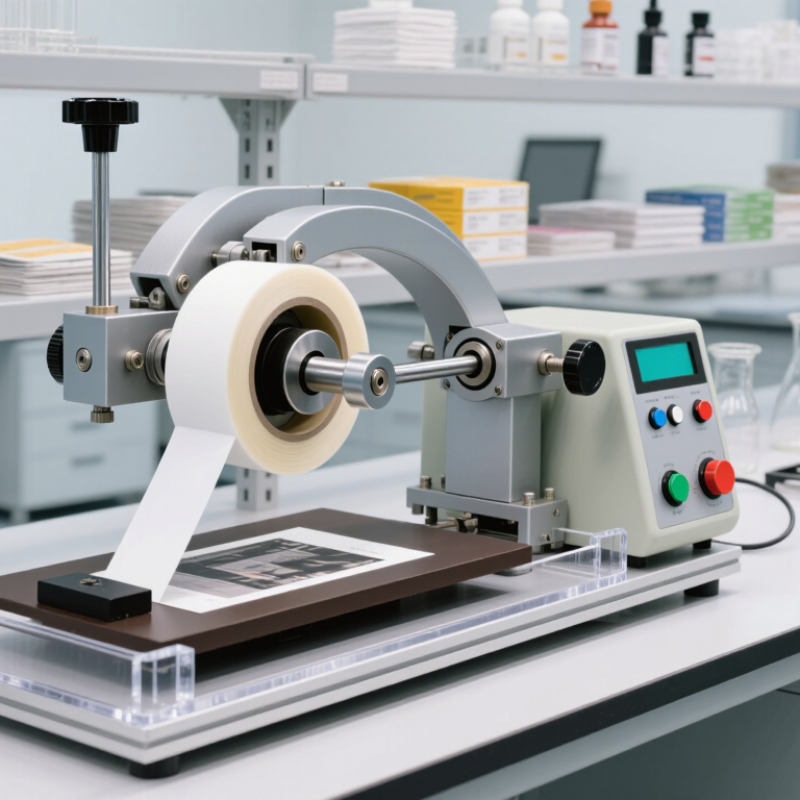
An ASTMF2357 RCA Paper Tape Abrasion Tester measures how well printed surfaces resist repeated rubbing. A moving strip of paper tape contacts a specimen under a controlled load. The operator records the cycles needed to reach an agreed wear endpoint. In practice, that endpoint may be fading, ink loss, or visible substrate exposure. Small marks matter.

ASTM International’s F2357 test method provides the technical basis for evaluating abrasion resistance in inks and printed materials. Smithers’ industry analysis, The Future of Global Packaging to 2028, describes a packaging market spanning many materials, formats, and print applications. That variety makes comparable durability testing useful for manufacturers, converters, and quality teams. A carton, label, or control-panel graphic may look sound on the bench, yet scuff during handling. The tester helps turn that concern into a repeatable observation.

Still, the result is not a universal durability score. Tape type, applied load, specimen condition, and the chosen endpoint can influence comparisons. Record them carefully. A useful report should identify the test setup, cycle count, and observed wear, rather than claim that one number predicts every field condition. That limitation deserves attention. The ASTMF2357 RCA Paper Tape Abrasion Tester supports controlled comparison, but sound decisions also require representative samples and consistent procedures.
What Is an ASTM F2357 RCA Paper Tape Abrasion Tester?

Definition and Purpose of an ASTM F2357 RCA Paper Tape Abrasion Tester

What Is an ASTM F2357 RCA Paper Tape Abrasion Tester?

An ASTM F2357 RCA paper tape abrasion tester is a laboratory instrument for evaluating surface wear. It measures how printed graphics, coatings, labels, or decorative finishes resist repeated rubbing. The device moves paper tape across a test surface under controlled pressure. A counter records the number of abrasion cycles before visible damage appears.

Its purpose is practical: compare materials, verify production consistency, and identify weak surface finishes. A trained technician usually prepares a flat specimen, selects the specified tape, and applies the required load. The test area may show fading, scuffing, ink removal, or coating failure. Lighting and viewing angle matter. They can influence the failure point.

Control matters greatly. Tape condition, alignment, pressure, and specimen cleanliness can change the result. Operators should inspect the tester regularly and document each setting. Calibration records also support reliable comparisons between laboratories. In real testing, the endpoint is not always perfectly obvious. Human judgment can affect the cycle count. That is a limitation worth acknowledging. One result should not stand alone when material quality is being assessed. Repeated trials and consistent observation provide stronger evidence. The tester measures abrasion resistance, but it does not explain every cause of surface failure.

How the Paper Tape Abrasion Test Works

How the Paper Tape Abrasion Test Works

An ASTM F2357 RCA paper tape abrasion tester evaluates how a surface withstands repeated rubbing. A coated sample is secured on a platform, and paper tape contacts its surface under a controlled load. The machine moves the sample against the tape in a repeated cycle. Each pass creates another small abrasion. The motion is steady. The test continues until the coating shows visible wear or reaches a defined endpoint, such as exposure of the underlying material.

The result is commonly recorded as the number of cycles needed to reach that endpoint. More cycles can indicate greater resistance, but results depend on consistent setup. Operators should check the specified load, tape condition, sample alignment, and test environment. Even a slight tilt can change the contact area. That detail matters. Inspecting the surface under consistent lighting also helps reduce judgment differences between users. The method offers a useful comparison, not a perfect prediction of everyday wear. Real objects face oils, impacts, and varied friction. The test may not capture those conditions, which is worth remembering when interpreting a result.

What Is an ASTM F2357 RCA Paper Tape Abrasion Tester? - How the Paper Tape Abrasion Test Works
Test Dimension What It Means How It Is Used or Reported
Purpose An RCA abrasion tester evaluates the abrasion resistance of printed ink or other test surfaces by rubbing them with a moving contact medium. ASTM F2357 is titled “Standard Test Method for Measuring Abrasion Resistance of Ink on Printed Materials Using the RCA Abrader.” Follow the current standard for the applicable test procedure.
Paper tape A specified paper tape can serve as the abrading medium in an RCA-style test. Its properties and condition affect the result. Use the tape type and preparation required by the applicable procedure. Do not assume that different tapes produce directly comparable results.
Basic operation The specimen is mounted, brought into contact with the moving tape under a controlled load, and subjected to repeated rubbing. The tester controls the rubbing motion and the test conditions specified by the method or laboratory procedure.
Applied load The load determines how firmly the tape contacts the specimen and can influence wear. Record and control the load according to the selected procedure; results from different loads should not be treated as equivalent.
Number of cycles A cycle count describes the extent of repeated rubbing during the test. Report the specified endpoint or number of cycles. A result is meaningful only when the cycle definition and test conditions are clear.
Specimen preparation Substrate, ink, print condition, conditioning, and specimen mounting can affect abrasion performance. Prepare and condition specimens consistently, and document relevant material and printing details.
Evaluation Wear may be assessed by observing damage to the printed area or by using the endpoint defined in the test procedure. State the evaluation method and acceptance criteria. Visual assessments should use consistent lighting and inspection conditions.
Key controls Tape condition, load, specimen alignment, test motion, and environmental or conditioning requirements can affect repeatability. Keep these factors consistent, check equipment condition, and record any deviations from the procedure.
Result interpretation The result indicates abrasion performance under the stated test conditions; it does not by itself predict service life in every use environment. Compare results only when the method, tape, load, cycle endpoint, specimen preparation, and evaluation approach are compatible.

Key Components of the Tester

What Is an ASTM F2357 RCA Paper Tape Abrasion Tester?

Key Components of the Tester

An ASTM F2357 RCA paper tape abrasion tester evaluates how printed or coated surfaces resist repeated rubbing. It uses controlled paper tape contact, pressure, and movement. This matters as printed packaging expands. Smithers’ The Future of Printed Packaging to 2028 estimates the global printed packaging market will reach about $491.2 billion by 2028. Surface durability is not a minor quality issue.

The main component is the drive system, which moves the tape at a controlled speed. A spindle or mandrel keeps the tape aligned. The specimen fixture holds the test panel flat and prevents shifting. A calibrated load arm applies consistent pressure. Some models use removable weights, while others use a spring mechanism. A cycle counter records movement precisely. The control panel sets speed and cycles, while a shield improves operator safety. Humidity can still affect results. That part is easy to underestimate.

Tips: Clean the fixture before testing. Check tape tension and loading direction. Record temperature and relative humidity beside every result. ASTM F2357 should guide the procedure, but laboratories must verify calibration and repeatability. A smooth test does not guarantee perfect data. Tape batches, surface texture, and operator alignment can change the endpoint. Intertek’s packaging durability guidance also emphasizes documented conditioning and repeatable handling. Do not compare results from different setups without checking these variables.

Test Procedure and Measurement of Abrasion Resistance

What Is an ASTM F2357 RCA Paper Tape Abrasion Tester?

An ASTM F2357 RCA paper tape abrasion tester evaluates surface durability through repeated rubbing. It commonly checks printed graphics, coatings, labels, and membrane surfaces. The tester moves abrasive paper tape across a prepared specimen under controlled pressure. Each stroke creates a consistent, narrow wear path.

The operator conditions specimens in a stable laboratory environment before testing. Temperature, humidity, tape type, load, and stroke rate should follow the selected procedure. The specimen must sit flat and remain firmly aligned. A loose fixture can create misleading results. The test begins with a fresh tape section and a verified counter. Inspection should occur at defined cycle intervals, using consistent lighting and magnification when needed.

Measurement usually records the number of cycles until a specified failure appears. Failure may involve visible color loss, coating breakthrough, exposed substrate, or illegible printed detail. Some laboratories also report the percentage of remaining coverage. Results should include load, tape lot, cycle rate, endpoint, and specimen conditioning time. This detail supports repeatability between operators and laboratories.

The method is comparative, not perfect. Visual endpoints can vary between inspectors. Small alignment errors also change the wear pattern. Practical experience shows that photographs and reference panels improve agreement, but they do not remove judgment entirely. A careful report should acknowledge these limitations rather than present one cycle value as universal.

Materials and Applications Evaluated by the Test

What Is an ASTM F2357 RCA Paper Tape Abrasion Tester?

An ASTM F2357 RCA paper tape abrasion tester evaluates how surfaces resist repeated rubbing. It uses controlled pressure and abrasive paper tape. The instrument records the number of cycles before visible wear appears. This creates a practical measure of surface durability, not just a visual opinion.

Materials commonly evaluated include painted plastics, printed panels, coated metals, labels, appliance controls, and automotive interior trim. Engineers may also test touchscreens, instrument bezels, decorative films, and consumer electronics housings. These surfaces often face repeated contact from fingers, clothing, cleaning tools, or packaging movement. A test can reveal fading, gloss loss, coating removal, or exposed substrate. However, one cycle result cannot represent every real-world condition. Temperature, hand oils, dust, and cleaning chemicals may change performance.

Tips: Condition specimens in a stable environment before testing. Check tape alignment and applied load carefully. Record the first visible damage, not only complete coating failure. Use several specimens because surface texture can vary. A glossy panel may look excellent at first, yet show early gloss change under angled light. Operators should photograph the endpoint and note judgment criteria. This small record improves repeatability. Mistakes still happen, especially when “first wear” is interpreted differently by different technicians.

What Is an ASTM F2357 RCA Paper Tape Abrasion Tester?

Materials and Applications Evaluated by the Test

An RCA paper tape abrasion tester repeatedly rubs paper tape against a surface under controlled test conditions. The method is used to assess the abrasion resistance of coatings and printed layers on materials such as plastics and finished surfaces. This schematic dataset is illustrative only—not ASTM reference data or a test result. Actual results depend on the specimen, tape, load, and test conditions.