
Contract Manufacturing for Injection Molded Plastic Products in North America
(800) 824.0607
Gate Valve Seats may look like small components, but they determine how reliably a valve seals, cycles, and withstands service conditions. For global buyers, the right choice depends on more than price. Media, pressure, temperature, operating frequency, and maintenance access all matter. A seat that performs well in clean water may wear quickly in abrasive slurry. Details count.
Common options include resilient elastomer seats, metal seats, and engineered polymer seats. Each brings trade-offs. Elastomers can provide tight shutoff in suitable conditions, while metal seats may better tolerate heat, particles, or demanding cycles. Polymers such as PTFE can offer useful chemical resistance, but their limits depend on grade and operating conditions. Check the valve manufacturer’s specifications and test evidence, not just a material name on a product sheet.
An illustrative expert perspective, not a sourced quotation, captures the key point: “Choose the seat for the service conditions, not the catalog headline,” says fictional valve-seat specialist Dr. Elena Morris. That distinction is practical. A buyer comparing drawings, material certificates, and leakage requirements can ask sharper questions before placing an order. Still, selection is not always neat; field conditions may differ from the original specification. This guide examines the best types of Gate Valve Seats for global buyers, with attention to materials, applications, and the details worth verifying.
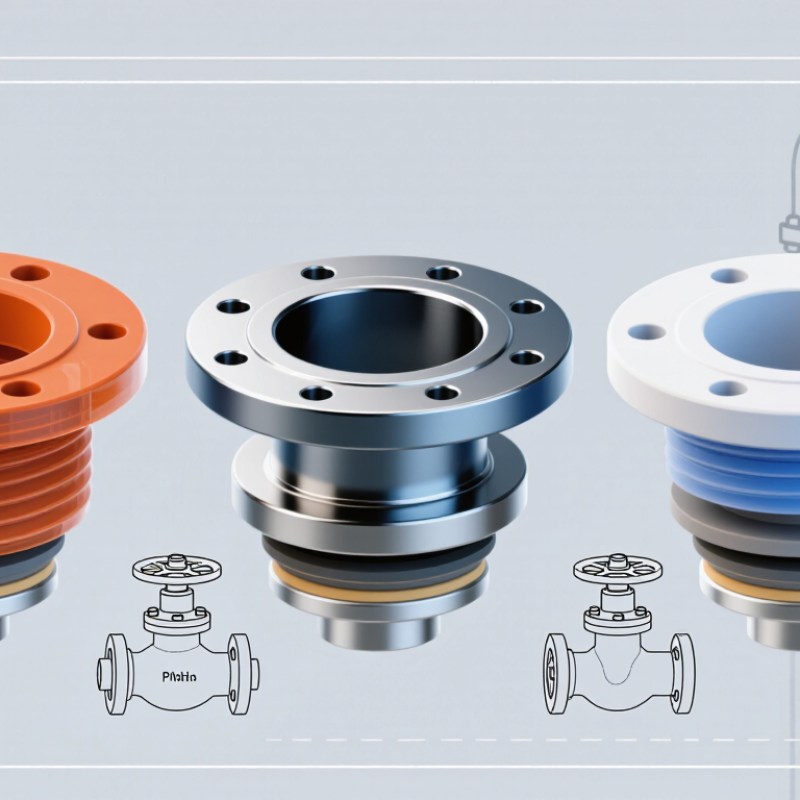
A gate valve seat is the sealing surface inside the body that meets the gate when the valve closes. The gate moves across the flow path, then presses against the seat to restrict fluid passage. In metal-seated designs, machined surfaces make contact; resilient seats use a softer material to conform around minor surface irregularities. The choice affects sealing behavior, wear, and suitability for the service. Small details matter: a scratch, trapped grit, or slight misalignment can leave a leak path.
Seat performance is verified through pressure testing, not appearance alone. ISO 5208:2015, an industrial-valve pressure-testing standard, defines Rate A as no visually detectable leakage during the test. That result applies under specified test conditions; it does not promise identical performance after years of cycling, temperature changes, or abrasive flow. A hard seat can tolerate demanding service, but it may not seal as tightly against particles. A resilient seat can seal closely, yet material compatibility and temperature limits need careful checking.
Tips: Confirm the medium, operating temperature, pressure, and expected cycle frequency before selecting a seat. Ask for the applicable leakage-rate test result and test conditions. Inspect the closed valve for debris before commissioning. Easy to overlook. A clean seat still cannot compensate for a damaged gate or poor alignment.
Gate valve seats determine how tightly the gate seals and how well it handles the service. Metal-to-metal seats are common in high-temperature or abrasive applications. Stainless steel and bronze are typical seat materials, while hardfacing can help resist wear. The trade-off is clear: debris or surface damage may prevent a tight shutoff.
Soft seats use resilient materials such as EPDM or NBR, selected to suit the fluid and operating temperature. They can provide reliable, tight sealing in clean-water systems. PTFE may be used where chemical compatibility is important, but its performance still depends on pressure and temperature limits. Soft materials can deform or wear under unsuitable conditions. Check the actual service data.
Seat design matters, too. Some gate valves have replaceable seat rings, making maintenance more practical; others use seats integrated into the body. A metal seat may suit a line carrying grit, while an elastomer seat may be a better fit for clean water. Small details count. Confirm the medium, temperature range, pressure, and expected cycling before choosing. I would not treat any material as universally suitable; real operating conditions can be messier than a specification sheet suggests.
| Seat Type | Common Seat Materials | Typical Applications | Key Advantages | Main Considerations |
|---|---|---|---|---|
| Integral metal seat | Cast iron, ductile iron, carbon steel, stainless steel, or alloy steel, depending on valve design | General industrial isolation, water service, and pipelines where a metal-to-metal shutoff is acceptable | Simple construction; no separate soft-seat insert; suitable for many standard gate valve designs | Shutoff performance depends on surface finish, alignment, and wear. It may not provide the tight sealing associated with resilient seats. |
| Replaceable metal seat ring | Stainless steel, carbon steel, or corrosion- and wear-resistant alloys | Industrial and process service where seat maintenance or replacement is important | Allows seat renewal without replacing the entire valve body; material can be selected for the service conditions | Design, retention method, and compatibility with the body and wedge vary by valve. Check the manufacturer’s repair instructions. |
| Hardfaced metal seat | Steel or stainless-steel base with a hard-facing alloy, such as cobalt-based or nickel-based overlay | High-wear, erosive, or demanding process services, when specified for the valve design | Hard-facing can improve resistance to wear, galling, and erosion compared with an untreated seating surface | Hard-facing does not make a valve suitable for every abrasive or corrosive fluid. Overlay selection and finish are service-dependent. |
| Resilient wedge seat | Elastomer-bonded or elastomer-encapsulated wedge, commonly EPDM or NBR, with a ductile-iron wedge core | Water distribution, wastewater, and other services covered by the valve’s material approvals | Elastomer provides compliant sealing and can achieve tight shutoff in suitable clean-fluid applications | Elastomer choice must match the fluid, temperature, and regulatory requirements. Not intended for every high-temperature or abrasive service. |
| EPDM resilient seat | Ethylene propylene diene monomer (EPDM) | Many water and wastewater applications; some dilute chemical services, subject to compatibility checks | Commonly selected for water service and offers good resistance to weathering and ozone | Generally unsuitable for petroleum oils and many hydrocarbon fluids. Confirm the compound grade, approvals, and operating limits. |
| NBR resilient seat | Nitrile rubber (NBR, also known as Buna-N) | Applications involving water or fluids where oil resistance is needed, subject to compound compatibility | Often selected where resistance to oils and fuels is a priority compared with EPDM | Compatibility and temperature performance depend on the specific NBR formulation. It is not a universal choice for all chemicals. |
| PTFE or modified-PTFE seat | PTFE or modified PTFE, used in seat components or inserts where the valve design permits | Chemical service and applications requiring low-friction seating, subject to pressure and temperature limits | Broad chemical resistance and low friction in many applications | PTFE can deform or creep under load and may have limitations in pressure, temperature, and cycling. Verify the complete valve design. |
| Thermoplastic soft seat | Materials such as PEEK or other engineered polymers, when specified for the valve | Specialized process applications requiring a particular combination of chemical, wear, or temperature performance | Can offer properties that differ from common elastomers; available in selected valve designs | Not interchangeable with rubber seats. Confirm fluid compatibility, pressure-temperature ratings, and the valve manufacturer’s limits. |
Seat materials and performance limits vary by valve design, compound or alloy grade, pressure, temperature, fluid composition, and applicable approvals. Use the valve’s technical documentation and a qualified materials review to confirm suitability for the intended service.
Gate valve seat performance depends on temperature, pressure, fluid cleanliness, and how often the valve moves. Resilient seats, often made with elastomers or polymers, can provide tight shutoff in clean service. They may struggle when abrasive particles become trapped between the seat and gate. NIST Chemistry WebBook data places PTFE’s melting point near 327°C, but that figure is not a safe operating limit. Pressure, creep, and chemical compatibility can restrict use well below melting. A number alone can mislead.
Metal seats are often considered for hotter service, higher pressures, or fluids that could damage softer materials. Their sealing surfaces need accurate machining and careful alignment; small scratches can create leakage paths. API Standard 598 specifies valve inspection and pressure-test procedures, giving buyers a basis for comparing tested shutoff performance. Yet a passing test does not guarantee identical results after years of cycling or exposure to solids. Ask for seat material, test medium, pressure, temperature, and cycle details. Then compare those conditions with the actual process. I would still treat catalogue temperature limits cautiously; installation and fluid chemistry often complicate the neat table.
Choosing a gate valve seat starts with the fluid, not the catalogue. Soft seats, often made from polymers, can provide tight shutoff in clean, moderate-temperature service. But abrasive particles may score them, and heat can exceed their limits. Metal seats tolerate higher temperatures and rougher fluids, though tiny scratches can increase leakage. There is no universal winner.
Even a small amount of grit can change the decision. Check operating pressure, temperature, cycling frequency, and expected contamination. Then compare the required leakage acceptance with the applicable test standard. ISO 5208 defines pressure-testing procedures and leakage-rate criteria for industrial valves; the required acceptance level should match the process risk.
Corrosion also deserves attention. NACE International’s 2016 IMPACT study estimated global corrosion costs at US$2.5 trillion, or about 3.4% of global GDP. That figure covers many industries, not valve seats alone, but it shows why fluid compatibility and maintenance planning matter.
Ask for seat-material data, pressure-temperature limits, and test documentation. Verify them against actual service conditions. Paper specifications can look reassuring. Field conditions are messier.
2026 Best Types of Gate Valve Seats for Global Buyers
What Global Buyers Should Verify Before Purchasing in 2026
Choosing a gate valve seat starts with the service conditions, not the material label. Metal seats can suit high-temperature or abrasive service; resilient seats may provide tighter shutoff in compatible, lower-temperature applications. Verify the fluid, pressure, temperature range, cycling frequency, and expected solids content. A seat that performs well in clean water may wear quickly in a slurry line. NACE International’s IMPACT study estimated corrosion costs at US$2.5 trillion globally, or 3.4% of global GDP. That figure highlights why corrosion resistance deserves careful review, although it does not predict the service life of any individual valve.
Before purchasing, request the seat material specification, hardness or polymer grade, dimensional tolerances, and documented compatibility with the process fluid. Check how the supplier verifies leakage performance and whether test records correspond to the exact valve configuration. ISO 5208 provides pressure-testing procedures for industrial valves; buyers should confirm the required acceptance criteria rather than assume one test result fits every application. Ask about replacement-seat availability, too. A low purchase price can become costly if a shutdown waits on a custom part.
Tips: Compare the seat against the actual operating envelope, not just the nominal line rating. Request traceable material and test documents. If service conditions are uncertain, pause and verify them with the plant engineer; assumptions sometimes survive longer than they should.
Typical upper service-temperature limits for selected seat materials (°C). These are indicative material-level values, not guaranteed valve ratings; the actual limit depends on grade, pressure, fluid, and manufacturer specifications.
Before purchasing, verify the exact seat grade, operating temperature and pressure, fluid compatibility, leakage class, and applicable test standards. Metal-seated valves may be suitable for higher-temperature service, but their limits depend on the valve design and materials.