
What Are the Best Healthy Panty Liners for Everyday Use?
Choosing Healthy Panty Liners for everyday use sounds simple, until a warm commute, a long workday, or sensitive skin changes what “comfortable” means. A good liner should feel light, stay in place, and absorb small amounts of discharge without irritating the skin. Fragrance-free options are often a sensible starting point, but materials and personal comfort matter too. There is no single best choice for everyone.
Market reports can explain what shoppers are buying, but they cannot prove that a product is safer or healthier. Grand View Research’s Panty Liners Market Size, Share & Trends Analysis Report examines the category’s market patterns; it is not a clinical safety assessment. That distinction matters. A popular product is not automatically the right one for your body. And packaging claims deserve a closer look.
For practical context, gynecologist Dr. Jen Gunter has emphasized: “The vagina is self-cleaning.” That guidance is a useful reminder that liners are optional products, not hygiene necessities. If you choose to wear one, notice how your skin responds. Change it when damp, and stop using it if you develop itching, burning, or a rash. Small details matter. So does skepticism. “Natural” on a wrapper does not guarantee comfort, and even a breathable liner may feel irritating after hours of wear. This guide compares everyday features—such as fragrance, absorbency, fit, and materials—so you can make a more informed choice. It cannot replace medical advice, especially when irritation persists or discharge changes unexpectedly.
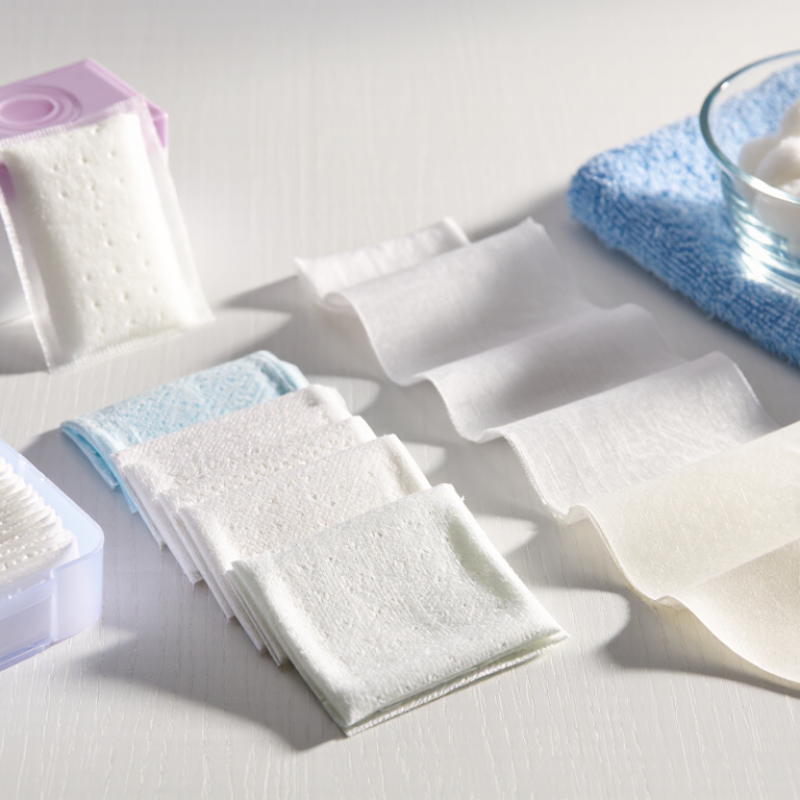
What Healthy Panty Liners Are and How They Work
Healthy panty liners are thin, absorbent inserts worn inside underwear. They catch small amounts of everyday vaginal discharge or light spotting and help keep fabric feeling drier. They do not stop discharge, and they are not designed for menstrual flow. Discharge is often a normal part of vaginal health.
Most liners have a soft top layer, an absorbent middle, and a backing that helps prevent leaks. Materials and airflow vary. A liner labeled “natural” or “healthy” is not automatically gentler; that wording has no single universal meaning. Fragrance-free options may suit people who find scented products irritating. Still, even a breathable liner can hold warmth and moisture against the skin. Small detail, but it matters.
For everyday use, choose a liner that fits your underwear without bunching, and change it when damp or after several hours. Wash your hands before and after handling it. Some people do not need one daily, and taking breaks can feel more comfortable. I would not treat a liner as a fix for persistent odor, itching, pain, or unusual discharge. Those changes deserve advice from a qualified healthcare professional. A liner can help with light moisture; it cannot explain why that moisture changed.
| Liner Type | Typical Materials | How It Works | May Suit | Everyday Considerations |
|---|---|---|---|---|
| Unscented, breathable liner | Absorbent cellulose or cotton-based layers, a moisture-resistant backing, and an adhesive strip; materials vary by product. | Absorbs small amounts of everyday vaginal discharge or light spotting and helps protect underwear. | People who want occasional light protection and prefer to avoid added fragrance. | Choose a comfortable fit and change it when damp or soiled. “Unscented” does not guarantee that every material will suit sensitive skin. |
| Cotton-top-sheet liner | A cotton surface layer over an absorbent core; the backing and core may contain other materials. | The top layer contacts the skin while the core takes in light moisture. | People who prefer a cotton-feel surface. | Check the full material list if you have known sensitivities. Cotton on the surface does not necessarily mean the entire liner is cotton. |
| Reusable cloth liner | Washable fabric layers, commonly cotton or other textiles, sometimes with a moisture-resistant layer. | Fabric layers absorb light moisture; the liner is washed and reused according to its care instructions. | People who prefer a reusable option and can wash and dry it thoroughly. | Follow the care instructions, use a clean liner, and let it dry completely before storing. Replace it if damaged or difficult to clean. |
| Fragranced or deodorizing liner | Absorbent layers with added fragrance or deodorizing ingredients; formulations vary. | Provides light absorption and may add a scent intended to mask odor. | There is no health need to choose a scented liner. | Fragrance can irritate sensitive skin for some people. An unusual or persistent vaginal odor is better discussed with a healthcare professional than masked with fragrance. |
| Longer or wider liner | Similar materials to standard liners, with a larger shape or coverage area. | Covers more of the underwear and absorbs small amounts of moisture over a wider area. | People who prefer extra coverage for light spotting or discharge. | A liner is designed for light flow, not as a substitute for a menstrual pad or other product intended for heavier bleeding. |
| Daily use or no liner | Not applicable; breathable underwear is another option. | Vaginal discharge is normal and underwear can absorb small amounts without a liner. | People who do not need extra protection or find liners uncomfortable. | Daily liner use is a personal choice, not a medical requirement. If a liner causes itching, burning, or discomfort, stop using it and consider medical advice if symptoms continue. |
How to choose: There is no single liner that is healthiest for everyone. Consider comfort, fit, fragrance, materials, and whether you need light protection. Change a liner when it becomes damp or soiled, and seek medical advice for unusual discharge, persistent irritation, or a change in odor.