What Is the Best High Temp Heat Pump in 2026?
Choosing the best High Temp Heat Pump in 2026 is no longer a simple comparison of labels, prices, or maximum outlet temperatures. Real performance depends on the building, the emitters, the climate, and the installer’s design choices. An older home with small steel radiators can demand very different results from a renovated house with oversized emitters. The numbers matter.
Fatih Birol, Executive Director of the International Energy Agency, describes heat pumps as “a key technology in the transition to secure and sustainable heating.” That statement is important, but it does not make every high-temperature model suitable for every property. A unit reaching 70°C may consume more electricity at that temperature. Efficiency can fall sharply during freezing weather. Noise, defrost cycles, backup heating, and hot-water recovery also deserve attention.
No model wins every building.
This guide examines the leading High Temp Heat Pump options for 2026 through a practical lens. It considers seasonal efficiency, operating temperatures, cold-weather stability, refrigerant choices, controls, warranty support, and installation experience. Laboratory ratings provide a useful starting point, but field conditions can be less forgiving. A poorly balanced system may leave radiators lukewarm, increase running costs, or create uncomfortable temperature swings.
There is also room for honest doubt. “High temperature” can sound like a complete solution, although it may hide insulation problems or undersized radiators. The strongest choice is rarely the most powerful one. It is the model that delivers dependable heat with sensible electricity use, manageable maintenance, and a realistic fit for the building.
What Defines a High-Temperature Heat Pump in 2026?
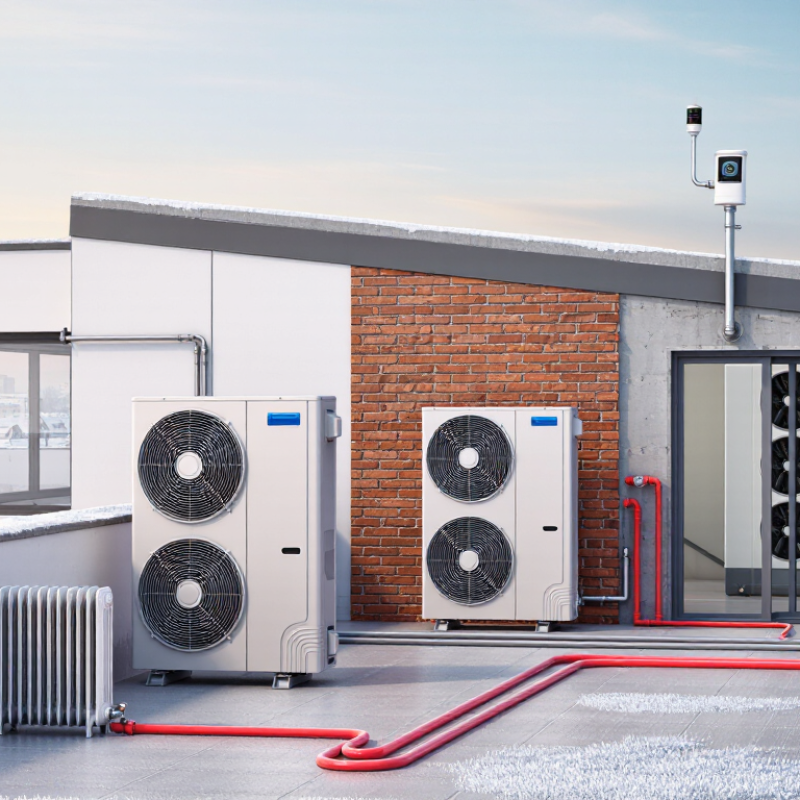
What defines a high-temperature heat pump in 2026? It is not simply a unit with an impressive maximum setting. In retrofit work, the practical benchmark is usually a 60°C or higher water supply, with some systems reaching 70°C to 80°C. This output can support older radiators and domestic hot water needs. However, maximum temperature alone proves little. Real performance depends on outdoor temperature, heating demand, and operating hours.
A credible high-temperature model should deliver useful heat during cold weather, not only in a laboratory test. Its controls should adjust flow temperature gradually, reduce cycling, and protect the compressor. Refrigerant selection, verified safety data, noise levels, and independent efficiency testing also matter. At higher water temperatures, efficiency usually falls. That detail is often overlooked.
Look beyond the headline.
During a site assessment, I would check insulation, radiator sizing, pipe condition, and hot-water habits before choosing equipment. A larger heat pump may produce higher temperatures, but it can also cost more and cycle poorly in mild weather. Existing radiators may work, yet not every room will feel equally comfortable. The definition remains imperfect because climate, building design, and measurement standards vary. That uncertainty deserves honest attention, especially when comparing seasonal efficiency rather than one peak-temperature figure.
Key Performance Factors: Temperature, Efficiency, and Capacity
What Is the Best High Temp Heat Pump in 2026?
The best high-temperature heat pump is not simply the unit with the highest outlet temperature. Many systems can produce water around 65–80°C, but performance changes sharply in freezing weather. A higher flow temperature may suit older radiators, yet it usually reduces efficiency. Check the manufacturer’s tested output at your local design temperature, not only the headline rating. Real homes lose heat through windows, walls, doors, and ventilation.
Efficiency should be judged through seasonal performance, not one impressive COP figure. A system producing 70°C water may consume considerably more electricity than one operating at 45°C. Weather compensation can lower the flow temperature on milder days. That matters every week. Capacity also deserves careful attention. A unit rated at 12 kW under mild conditions may deliver much less during a cold snap. Ask for capacity data at low outdoor temperatures, defrost conditions, and the required water temperature. An oversized unit may cycle frequently, while an undersized one may rely heavily on backup heating.
Tips: Request a room-by-room heat-loss calculation. Compare seasonal efficiency, low-temperature capacity, sound levels, and control options. Inspect radiator sizes before choosing a high-temperature system. In practical assessments, installers sometimes trust nominal capacity too quickly. I would question that assumption. A spreadsheet can mislead when insulation, hot-water demand, or defrost intervals are ignored. Leave space for maintenance around the outdoor unit, and confirm that the electrical supply can handle winter demand. Small details matter.
Comparing Leading High-Temperature Heat Pump Technologies
Choosing the best high-temperature heat pump in 2026 depends on the building, heat source, and required outlet temperature. No single technology wins every site. Air-source systems are practical for moderate climates, but their output can fall during freezing weather. Water-source systems often perform more steadily when a reliable waste-heat stream is available.
Carbon dioxide systems can deliver very hot water, sometimes above 80°C, while operating efficiently in suitable temperature ranges. Ammonia-based systems can provide strong industrial performance, especially where trained maintenance teams are available. Cascade designs combine refrigerant circuits to reduce pressure stress and improve control. Newer low-global-warming-potential refrigerants also deserve attention, although real-world service experience is still developing. The comparison is not perfectly tidy. Seasonal efficiency matters more than a peak temperature figure.
Tips: Measure the source temperature hourly before selecting equipment. Compare COP at your actual supply temperature, not at a laboratory rating point. Check noise, defrost behavior, water quality, and technician availability. A five-degree mismatch can change operating costs noticeably.
Field assessments should include at least one full heating season. Install flow meters, electricity meters, and temperature sensors at key points. This evidence supports a more reliable decision than brochure claims. I have seen projects focus on maximum output, then struggle with cycling during mild weather. Oversizing is not always safer; it can reduce efficiency, increase wear, and complicate control. A realistic design should balance temperature, capacity, maintenance, refrigerant safety, and long-term energy prices.
How to Choose the Best High-Temperature Heat Pump for Your Home
How to Choose the Best High-Temperature Heat Pump for Your Home
Choosing the best high-temperature heat pump starts with your home’s actual heating demand. Do not select a unit by maximum output alone. Ask an accredited installer to calculate heat loss room by room, especially near windows, lofts, and external walls. A system claiming 70°C water may lose efficiency at that temperature. The International Energy Agency reports that heat pumps can deliver three to five units of heat for each unit of electricity under suitable conditions. Performance still depends on weather, insulation, and system design.
Check the rated output at your local winter design temperature, not only at mild outdoor conditions. Review seasonal efficiency, noise levels, defrost performance, and hot-water recovery. Existing radiators may work, but oversized or poorly balanced radiators can create cold rooms. The IPCC notes that heat-pump emissions vary with electricity generation, so a cleaner grid improves the environmental benefit. Refrigerant type, service access, warranty terms, and backup heating also deserve attention. Cheap installation can become expensive later.
Tips: Request performance data at 55°C and 65°C. Compare seasonal efficiency, not one laboratory figure. Insulate first where practical. Keep written commissioning records.
I would be cautious about promises of silent operation and constant high output. Real homes are uneven. A hallway may feel warm while a north-facing bedroom remains cold. The right choice is not always the highest-temperature model. It is the system that meets demand efficiently, quietly, and reliably on the coldest ordinary days.