What Are the Best Walk Path Lights in 2026?
A dark walkway can turn a familiar garden into an uncertain route after sunset. The right Walk Path Lights make steps, edges, and changes in level easier to see, while adding a gentle welcome near the front door. But a bright product photo does not prove a light will work well outdoors. Placement, beam direction, weather resistance, and upkeep all matter. Small details matter.
This guide explores the best Walk Path Lights in 2026, including solar, low-voltage, and battery-powered options. It considers practical factors such as brightness, color temperature, installation effort, and how reliably lights perform through changing weather. Solar models can simplify installation, though shaded paths may leave their batteries undercharged. Wired systems offer steadier power, but need more planning. There is no single best choice for every yard.
A useful comparison should look beyond price and decorative style. Check whether a fixture casts light onto the walking surface, rather than into someone’s eyes, and whether its construction suits your local conditions. Think about spacing, too: lights placed too far apart can leave dark gaps, while crowded fixtures may feel harsh. These recommendations aim to help homeowners match a lighting style to their path, budget, and maintenance preferences. The advice is practical, not perfect; real gardens have awkward corners that product descriptions rarely mention.
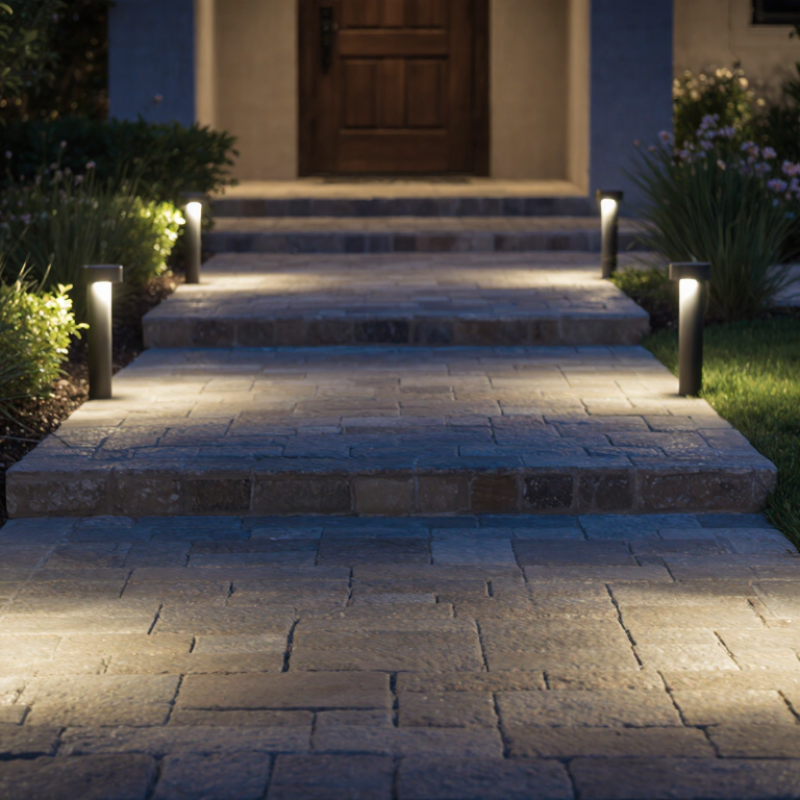
What Walk Path Lights Are and How They Improve Outdoor Spaces
Walk path lights are low-mounted outdoor fixtures that guide people along garden paths, driveways, and steps. Their light helps reveal uneven paving, borders, and changes in level after dusk. A soft pool of light on stone feels welcoming; glare in your eyes does not. This is practical, not decorative alone. Well-placed fixtures can make an outdoor space easier to navigate without flooding it with light.
The U.S. Department of Energy reports that LEDs use at least 75% less energy and can last up to 25 times longer than incandescent lighting. These figures offer useful context when choosing efficient path lights, though real performance depends on the fixture and its conditions. Look for outdoor-rated fittings, shielded beams, and spacing that avoids dark gaps. More light is not always better; it can flatten the scene and disturb the night’s quiet.
Tips: Mark steps and turns before deciding where lights go. Test one fixture after dark, then check for glare from a seated position. Choose warm, steady light for a gentler look, and keep beams aimed at the ground. Too many lights can feel oddly harsh. I’d rather see a slightly dim path than a bright one that shines into the house.
What Are the Best Walk Path Lights in 2026? – What Walk Path Lights Are and How They Improve Outdoor Spaces
Walk path lights illuminate routes through gardens, yards, and outdoor living areas. The most suitable option depends on the path, available power, desired brightness, and maintenance needs.
| Light Type | Typical Output | Power Source | Typical Spacing | Main Advantages | Best Suited For |
| Solar stake light | About 5–100 lumens per light, depending on design | Integrated solar panel and rechargeable battery | About 4–8 ft apart; adjust to brightness and beam spread | Does not need buried wiring; simple to install and reposition | Sunny paths, small gardens, and easy-to-install accent lighting |
| Low-voltage LED path light | About 100–300 lumens per fixture | Typically a 12-volt landscape-lighting system | About 6–10 ft apart, depending on fixture height and beam pattern | Consistent light output; fixtures can often be added to an existing system | Frequently used walkways and paths where dependable illumination is wanted |
| Line-voltage path light | Varies by bulb and fixture; selected for the required coverage | Mains electricity | Planned according to the fixture’s light distribution and local requirements | Can provide steady power for larger or more demanding installations | Permanent installations designed and installed to applicable electrical codes |
| Bollard light | Often about 100–500 lumens per fixture | Solar, low-voltage, or line-voltage, depending on model | Often about 8–15 ft apart; confirm with the beam pattern | Taller housing can spread light over a wider area and define path edges | Wider paths, entrances, and open outdoor spaces |
| Recessed ground light | Usually a modest output intended for markers or accents | Solar or wired, depending on model | Set along edges or at key points; spacing depends on visibility needs | Low-profile appearance that keeps the walking surface visually uncluttered | Steps, borders, and paths where above-ground fixtures may be obstructive |
| Motion-activated path light | Varies widely; many models provide a brighter output when triggered | Battery, solar, or wired | Position to cover approach areas and avoid gaps in sensor detection | Provides light when movement is detected and can reduce unnecessary run time | Side paths, service routes, and areas used occasionally |
Planning note: Lumens and spacing are general ranges, not guaranteed performance figures. Actual coverage depends on fixture height, lens and beam design, obstructions, surface reflectance, and ambient light. Use shielded fixtures and aim light downward to reduce glare.
Which Types of Walk Path Lights Suit Different Paths
A good walk path light should match the ground beneath it. For a narrow garden path, choose low bollards or shielded stake lights. They reveal the edges without shining into nearby windows. Place them slightly back from the walking line, alternating sides to avoid a runway effect. Keep it gentle. On gravel or loose soil, wide-base stakes tend to wobble less than slim posts. Check their position after heavy rain.
Curved paths need lights that overlap around bends, since a single bright fixture can leave dark gaps. For steps, use shielded lights aimed across the tread edges, not directly into a walker’s eyes. Broad driveways can handle taller posts or wall-mounted fixtures, while woodland paths often suit low, downward-facing lights that preserve a darker setting. Solar lights may be convenient where sunlight reaches them, but shade and short winter days can reduce their output.
Spacing depends on fixture brightness, path width, and nearby surfaces; there is no perfect measurement for every yard. A practical approach is to test a few lights after dark and adjust them before adding more. It is easy to underestimate glare on wet stone. Weather-resistant construction also matters, especially where fixtures sit near sprinklers or puddles.
What Features Matter When Choosing Walk Path Lights in 2026
Choosing walk path lights means balancing visibility, comfort, and resilience—not simply buying the brightest fixtures. Start with the walking surface: a narrow garden path needs softer, closely spaced pools of light, while steps and uneven paving need clear edge definition. Compare lumen output and beam spread, then test spacing after dusk. Less is safer. Glare can hide a change in height.
For energy and maintenance, the U.S. Department of Energy’s Energy Saver guidance reports that LEDs use at least 75% less energy than incandescent lighting and can last up to 25 times longer. Look for replaceable components and a clear outdoor ingress-protection rating; an IP65 rating, for example, indicates protection against dust and water jets. DarkSky guidance favors warm light at 3000K or below, which can feel less harsh and reduce unnecessary blue-rich light. I would not treat that number as a substitute for good shielding.
Power choice depends on the site. Solar models may disappoint beneath dense trees or during short winter days, so check charging conditions and runtime claims. Wired lights provide more predictable operation but need careful cable planning. On a damp path, inspect seals and lens materials regularly; specifications do not prevent every failure. A small trial section can reveal whether the spacing feels right before you install the whole route.
How the Best Walk Path Lights Compare in Performance and Value
The best walk path lights in 2026 are not automatically the brightest or cheapest. Compare how evenly each fixture lights a path, especially near steps, bends, and gate entrances. A narrow beam can leave dark gaps, even when the listed output looks impressive. Check the beam angle, mounting height, and spacing recommendations together.
Power source changes the value calculation. Solar lights avoid wiring, but shaded paths may shorten their nightly runtime; check whether the panel gets several hours of direct sun. Wired fixtures offer steadier output, though installation adds cost and effort. Look for weather-resistant construction and replaceable batteries or bulbs, since a low purchase price matters less if the whole fixture must be discarded. Small details count.
For a fair comparison, estimate the cost per lighted season, including replacements and electricity where relevant. Warm-white light can feel gentler near a home, while a brighter, cooler setting may reveal uneven paving more clearly. Neither choice suits every path. The comparison is imperfect: real performance depends on trees, soil, and winter daylight, not just product specifications. On a short, sunny walkway, modest solar fixtures may deliver better value than a costly wired system. On a long, shaded route, they may disappoint.
How to Plan, Install, and Maintain Walk Path Lighting
What Are the Best Walk Path Lights in 2026?
Plan lighting around how people actually use the path. Mark steps, bends, gates, and uneven sections before choosing fixtures. Measure the route, then space lights to reveal the walking surface without creating bright spots. Low, shielded lights can reduce glare and keep light focused downward. A quick evening mock-up helps: move temporary lights along the route and check the view from standing height. Even a tidy layout can feel too bright. That is easy to overlook on paper.
During installation, follow each fixture’s instructions and use outdoor-rated components suited to local weather. For low-voltage systems, switch off power before handling connections, and protect cables from tools and garden work. Avoid placing lights where sprinklers soak them or roots may disturb wiring. After installation, walk the path at night and adjust angles or spacing. Check for loose fixtures, cracked lenses, water inside housings, and dim or inconsistent output. Clean lenses gently; harsh scrubbing can scratch them. Seasonal checks matter, though they are easy to postpone.
Tips: Keep one spare fixture or compatible lamp if available. Trim plants that block light, and check solar panels for shade or dirt. If a section still feels dark, add light there rather than making every fixture brighter.
Walk Path Lighting: Estimated Monthly Energy Use
These estimates assume one light runs for 6 hours each night over 30 days. Monthly use is calculated as fixture wattage × 180 hours ÷ 1,000. Choose light output and spacing for safe, even visibility, then clean lenses and check connections regularly.