China Top 10 Polyethylene Board Suppliers
China has become an important manufacturing base for Polyethylene Boards used in marine fenders, conveyor liners, packaging equipment, playgrounds, and industrial fabrication. OECD’s Global Plastics Outlook reports that worldwide plastics production increased from 234 million tonnes in 2000 to 460 million tonnes in 2019. This expansion has strengthened demand for durable, machinable board materials, especially in Asia.
However, supplier selection requires more than a polished website. ICIS and S&P Global Commodity Insights regularly track polyethylene feedstock prices, regional capacity, and demand conditions. These reports help explain why board pricing can change quickly. Resin grade, molecular weight, thickness tolerance, impact performance, and ultraviolet stabilization deserve equal attention. A supplier may advertise “virgin HDPE,” yet provide limited batch traceability. That detail matters.
John Richardson, an ICIS Asia-based polyethylene market analyst, has repeatedly stressed that China’s polyethylene market should be judged by demand quality, not capacity alone. His practical warning is worth remembering: “Capacity does not guarantee dependable performance.” For Polyethylene Boards, dependable performance means consistent cutting, stable dimensions, and predictable wear under real operating conditions.
This guide examines ten leading Chinese suppliers through a buyer’s lens. It considers production capability, testing practices, export experience, customization, and technical communication. ISO 178 flexural testing, ISO 179 impact testing, and ISO 527 tensile testing can provide useful comparison points. Still, no ranking is flawless. Product quality can vary between batches, and published data may omit long-term field results. Buyers should request recent inspection records, sample boards, and application references before signing a large order.
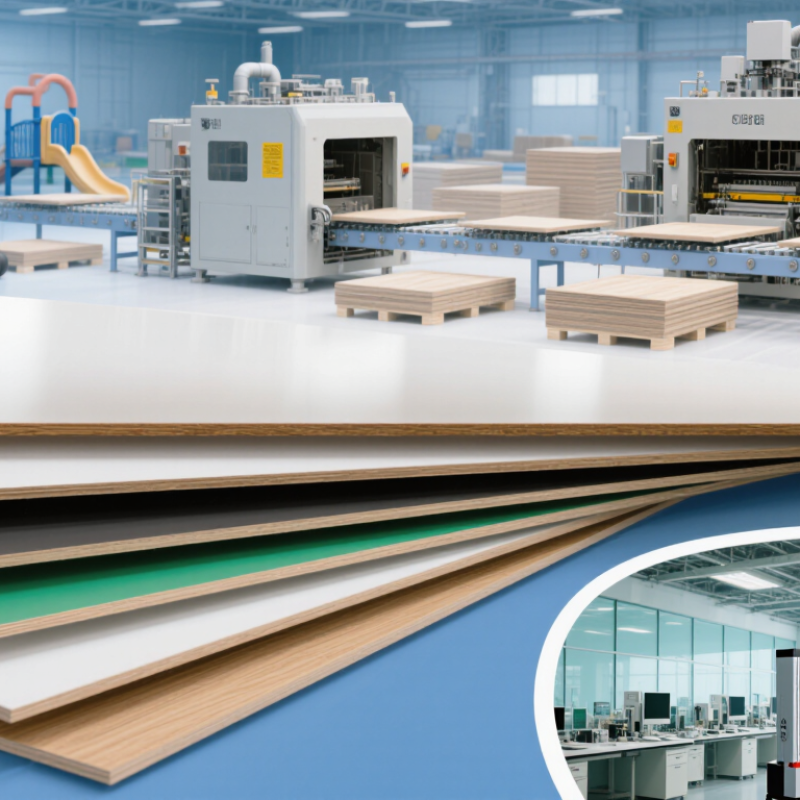
Polyethylene Board: Definition, Features, and Common Applications
Polyethylene board is a solid sheet made from polyethylene resin. It is lightweight, moisture resistant, and easy to fabricate. Its smooth surface resists many chemicals and prevents water absorption during routine use. Different grades offer different hardness, flexibility, temperature ranges, and impact strength. Thickness commonly determines its stiffness and handling behavior.
In practical workshops, the board cuts cleanly with saws, routers, and CNC equipment. It can become machine guards, protective liners, cutting surfaces, storage dividers, and fabricated tanks. High-density grades usually provide stronger support, while softer grades absorb impact more effectively. Color can also support visual organization. However, color does not prove quality. Test data matters more. A specification may still miss warping after heating or unexpected surface wear. This is where sample testing becomes valuable.
When comparing China’s top ten polyethylene board suppliers, buyers should request resin information, dimensional tolerances, and inspection records. Ask how the supplier controls thickness across large sheets. For outdoor use, confirm ultraviolet resistance and expected service conditions. For food-related applications, use only grades with suitable compliance documentation. Polyethylene boards can reduce maintenance in wet areas, but they are not ideal for every load. Long spans may bend. Poorly supported panels may fail sooner than expected. Real installation conditions should guide the final grade and thickness.
Key Factors for Evaluating Polyethylene Board Suppliers in China
China Top 10 Polyethylene Board Suppliers should be compared through evidence, not attractive rankings. A strong supplier explains board density, thickness tolerance, surface finish, and operating temperature clearly. Ask for recent test reports and production samples from the same material grade. The sample should show even color, clean edges, and stable dimensions after cutting. Material consistency matters.
A factory audit can reveal more than a sales presentation. Check extrusion equipment, storage conditions, inspection records, and packaging methods. Review how the supplier handles rejected boards and customer complaints. Reliable suppliers provide traceable batch numbers, realistic lead times, and clear replacement terms. Independent laboratory testing can verify density, impact strength, water absorption, and chemical resistance. Do not rely on certificates alone. Paperwork can be outdated. I have seen technically good samples followed by weaker bulk production, so pre-shipment inspection remains valuable.
Tips: Compare at least three quotations using identical specifications. Keep records. Test before scaling. Request a small trial order and measure warping, thickness, and cutting performance. Communication quality also matters; delayed answers may signal future project friction. Price deserves attention, but an unusually low offer may reflect thinner boards, recycled content, or inconsistent control. Ask direct questions, and document every answer.
China’s Leading Polyethylene Board Suppliers and Their Product Strengths
China’s leading polyethylene board suppliers compete through material control, processing accuracy, and application-specific design. The strongest producers commonly offer HDPE, UHMWPE, and modified polyethylene boards for liners, tanks, cutting surfaces, and machine components. Their product strengths differ noticeably.
Grand View Research estimated the global polyethylene market at more than USD 120 billion in 2023, with steady growth through 2030. This demand supports China’s broad manufacturing base. Leading suppliers usually provide board thicknesses from a few millimeters to over 100 millimeters. Some also support CNC cutting, drilling, grooving, and custom profiles. That matters on site, where a poor tolerance can create vibration, leakage, or premature wear.
Material evidence remains essential. ASTM D638 tensile testing, ISO 527 data, and documented water-absorption results help buyers compare grades fairly. According to PlasticsEurope’s Plastics—the Facts 2023 report, global plastics production reached about 400 million tonnes in 2022. Polyethylene remains one of the largest polymer families, but recycled content and traceability deserve closer attention. Not every supplier publishes complete test records. That is a weakness.
Experienced buyers should request impact strength, hardness, operating temperature, and chemical-resistance data before ordering. A board that performs well in a dry warehouse may deform beside hot equipment.
Factory audits, batch samples, and dimensional inspection provide stronger assurance than catalogue claims. Small details matter.
Supplier rankings should therefore reflect verified performance, not only price or export volume.
Manufacturing Standards, Customization, and Quality Control
When comparing China’s top 10 polyethylene board suppliers, inspect manufacturing standards before comparing prices. A reliable factory documents resin grade, density, thickness tolerance, and production temperature. Its quality system should cover incoming materials, extrusion, cooling, cutting, and packing. Ask for current test reports, not reused files. Good suppliers explain testing methods in practical language. For example, a 20 mm board may be checked with calipers at several points, rather than measured once. Small gaps matter. They can affect installation.
Customization begins with the application, not a catalogue color. Suppliers may adjust board thickness, surface texture, dimensions, edge treatment, and hole patterns. Food-contact, chemical-resistance, and outdoor uses require different material choices and validation. Drawings should state tolerances, flatness, color limits, and packaging requirements. A sample should represent mass production. One polished sample proves little. Confirm whether recycled content, additives, or layered construction changes performance. This question is often missed.
During production, dependable teams record batch numbers and retain samples. They should inspect warping after cooling, measure density, and test impact or tensile performance when relevant. Independent inspection can verify results before shipment. Still, paperwork is not the whole story. I would also request factory videos, calibration records, and corrective-action reports from previous issues. No supplier is perfect. A delayed response may reveal weak control more clearly than a sales presentation. Buyers should compare evidence across all ten suppliers, then approve a pilot batch before placing a large order.
How to Select the Right Chinese Polyethylene Board Supplier
China Top 10 Polyethylene Board Suppliers: How to Select the Right Chinese Polyethylene Board Supplier
China’s polyethylene board market rewards careful verification, not attractive catalog photos. Define the application first: chemical tanks, packaging liners, marine parts, or low-friction guides. Each use changes the required density, molecular weight, thickness tolerance, and temperature range. Ask for current technical data sheets and batch-specific certificates. Paperwork matters.
The OECD Global Plastics Outlook reports that global plastics production reached 460 million tonnes in 2019, double the 2000 level. PlasticsEurope’s Plastics—The Fast Facts 2024 reports 413.8 million tonnes of production in 2023. These figures show scale, not quality. A supplier may offer competitive pricing while lacking stable extrusion control. Request samples from several production batches. Measure thickness, flatness, density, and surface finish independently. Small deviations can create costly installation problems.
Check whether the factory operates a traceable quality system, preferably supported by ISO 9001 certification. It should also provide test results using recognized methods, such as ISO 1183 for density and ISO 527 for tensile properties. Confirm resin grade, recycled content, colorant stability, and allowable service temperature in writing. Visit the facility when possible, or use an independent inspection agency. I have seen polished samples hide inconsistent edges. That risk deserves attention. Do not rank suppliers by export volume alone; compare response speed, corrective-action records, packaging quality, and after-sales evidence.
China Top 10 Polyethylene Board Suppliers: How to Select the Right Chinese Polyethylene Board Supplier
Use these typical material benchmarks when reviewing supplier datasheets. Density helps verify the polyethylene grade and consistency, while tensile strength indicates basic mechanical performance. Before placing an order, confirm the exact values through technical datasheets, sample testing, certification, dimensional tolerances, lead time, and quality-control records.