How to Choose the Best CNC Laser Cutting Machine for Your Needs?
In modern manufacturing, choosing the right Cnc Laser Cutting Machine is crucial. The global CNC laser cutting market is projected to reach $6.44 billion by 2027, growing at a CAGR of 6.5% from 2020 to 2027, according to a recent industry report by MarketsandMarkets. Such growth highlights the increasing dependence on this technology for precise and efficient material processing.
Expert David Thompson, a recognized authority in laser technology, emphasizes, "The right CNC Laser Cutting Machine can significantly impact efficiency and output." His insights reflect a common industry sentiment that the selection process is not straightforward. Factors such as material type, thickness, and desired precision play vital roles in this decision. Despite the technological advancements, many businesses still grapple with making informed choices.
Common pitfalls include underestimating machine capabilities or overlooking maintenance needs. Choosing wisely requires understanding both your operational requirements and the diverse features of available machines. A well-considered choice can lead to enhanced productivity. Still, many companies are left questioning their equipment investments. Engaging with experts can clarify these uncertainties. Ultimately, the path to the best CNC Laser Cutting Machine is a reflection of careful consideration and strategic planning.
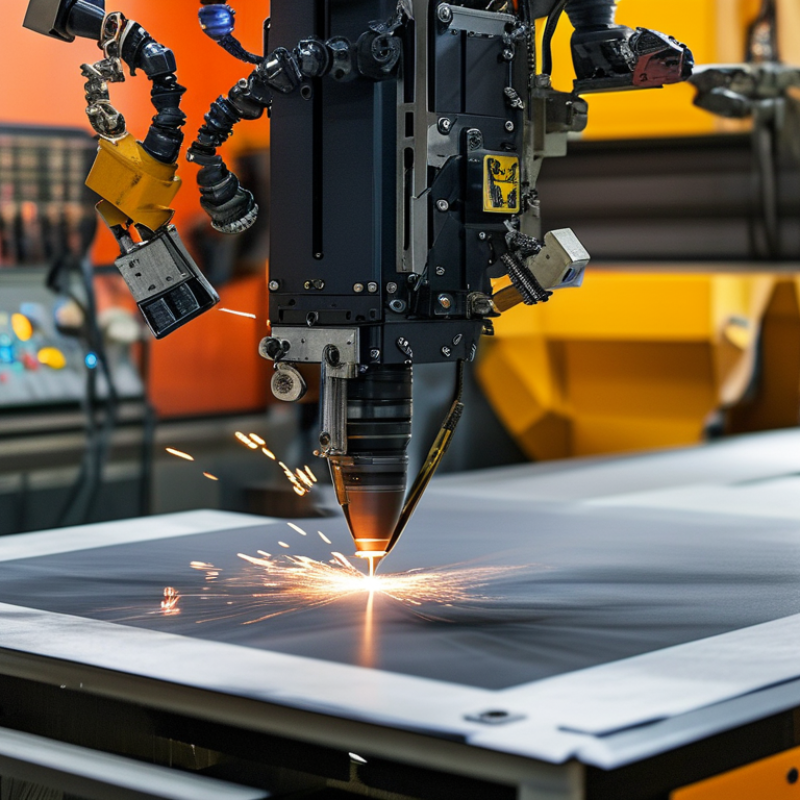
Understanding Your Cutting Requirements and Material Compatibility
Understanding your cutting requirements is crucial when selecting a CNC laser cutting machine. Think about the materials you plan to work with. Different lasers are better suited for specific materials like metal, wood, or plastics. For instance, CO2 lasers work well with organic materials, while fiber lasers are excellent for metals. Knowing the right match can enhance efficiency and quality.
Consider the thickness of the materials too. Each machine has a maximum cutting depth. If you often work with thicker sheets, ensure the chosen machine can handle that. Speed and precision also matter. A machine that cuts too fast may compromise quality. Reflect on the balance between speed and accuracy based on your project needs.
Budget constraints are real. Higher-end machines may offer better features, but they require a larger investment. Finding a reliable machine in your price range is vital. Look for reviews and case studies from other users. This way, you can gauge performance and reliability. Your choice should align with both your immediate needs and future growth plans.
Evaluating Different Types of CNC Laser Cutting Machines
When evaluating different types of CNC laser cutting machines, it's crucial to consider your specific needs. The type of materials you will cut plays a significant role in your decision. For instance, some machines perform better with metals, while others are designed for wood or acrylic. Each material has distinct requirements, such as power settings and cutting speeds. Understanding these factors ensures you select a machine that enhances your production efficiency.
Another consideration is the machine's power and speed capabilities. A higher wattage generally means the ability to cut thicker materials more quickly. However, a powerful machine may come with a steep learning curve. It’s essential to find the right balance based on your current requirements and future projects. Are you willing to invest time in training? This reflection can help you avoid potential operational setbacks.
Lastly, the software that accompanies the laser cutting machine cannot be overlooked. Not all systems are user-friendly, and a complex interface may hinder efficiency. Researching the software options available can save time and frustration down the line. Take the time to read reviews or seek advice from experts who have used different machines. Their insights can guide you toward a more informed choice.
Assessing Machine Specifications: Power, Speed, and Precision
When selecting a CNC laser cutting machine, understanding its specifications is crucial. Power directly influences the material thickness you can cut. For instance, a machine with 100W can cut through 6mm acrylic and 4mm stainless steel. However, higher power does not always equate to better results. For detailed work, precision is key. Machines offering a resolution of 0.01mm produce cleaner cuts, reducing post-processing time.
Speed is another variable to consider. Machines can range from 20 to 60 inches per minute in cutting speed. A faster speed might seem beneficial, but it can lead to edge burning or reduced cut quality. Many manufacturers report that cutting at an optimal speed, often slower than maximum capability, yields superior results.
Investing in a laser cutting machine demands careful thought. Candidates should prioritize their specific needs based on the materials they will work with. There is no one-size-fits-all solution. You might face challenges, especially if your projects require a mix of speed and precision. Ultimately, your focus should align with the specifics of your tasks.
Comparative Analysis of CNC Laser Cutting Machines
Considering Budget and Long-term Investment Factors
When choosing a CNC laser cutting machine, budget plays a critical role. The average cost can range from $10,000 to $500,000 depending on the machine’s capabilities. Investing in a machine that fits your financial capacity is crucial. However, lower initial costs can lead to higher long-term expenses. Maintenance and operational costs need consideration. Research indicates that ongoing maintenance often costs around 15-20% of the initial purchase price annually.
Long-term investment factors are equally significant. A reliable machine typically has a lifespan of 10-15 years. Machines with advanced features may carry a higher price tag but can enhance productivity and reduce waste. According to industry studies, upgrading to higher-quality lasers can improve cutting speeds by up to 50%. This results in a faster return on investment, optimizing your production flow and increasing profitability.
While it is tempting to prioritize a lower upfront cost, it's essential to evaluate the total cost of ownership. Often, cheaper machines may require more frequent repairs or replacements, which can accumulate substantial expenses over time. Consider your business's growth and future needs. Investing wisely now can mean smoother operations later, fostering both efficiency and profitability.
Researching Suppliers and Customer Support Options
When selecting a CNC laser cutting machine, it's crucial to consider the supplier's reliability and customer support. A survey from the Metal Cutting Institute indicates that 78% of users value responsive customer service over brand names. This highlights the importance of researching potential suppliers thoroughly. A strong supplier should offer comprehensive support, including installation, maintenance, and training services.
Review customer testimonials and case studies. Analyzing feedback from other users provides valuable insights into the supplier's performance and service quality. Look for suppliers with a proven track record. They should demonstrate expertise in CNC technology and laser applications. According to a report by the Industrial Laser Solutions, the best suppliers often provide 24/7 technical support, which can minimize downtime and enhance productivity.
Consider the warranty and after-sales services offered. An extended warranty reflects a supplier’s confidence in their product quality. It is also wise to clarify the response times for service calls. Fast support can significantly impact your operations. Remember, the goal is to find a partner who not only sells a machine but also supports your business journey efficiently. Keep these factors in mind as you navigate your decision.