How to Choose the Best Wetroom Construction Board for Your Project?
When embarking on a wetroom project, selecting the right Wetroom Construction Board is crucial. This decision can significantly impact the durability and functionality of your space. With various options available, understanding the unique features and benefits of these boards is essential.
Wetroom Construction Boards differ in material, thickness, and water resistance. One must consider the specific needs of the project, like the type of tiles and the level of moisture exposure. Some boards are lightweight and easy to install, while others offer superior insulation and waterproofing capabilities. It’s also vital to assess the brand's reputation for quality and reliability.
Making the right choice requires careful evaluation. Look for products backed by expertise and positive user experiences. Customer reviews can provide insights into real-world performance. However, not all boards are perfect; some may fail to meet expectations under heavy use. Reflect on your project's demands to ensure the Wetroom Construction Board you choose will stand the test of time.
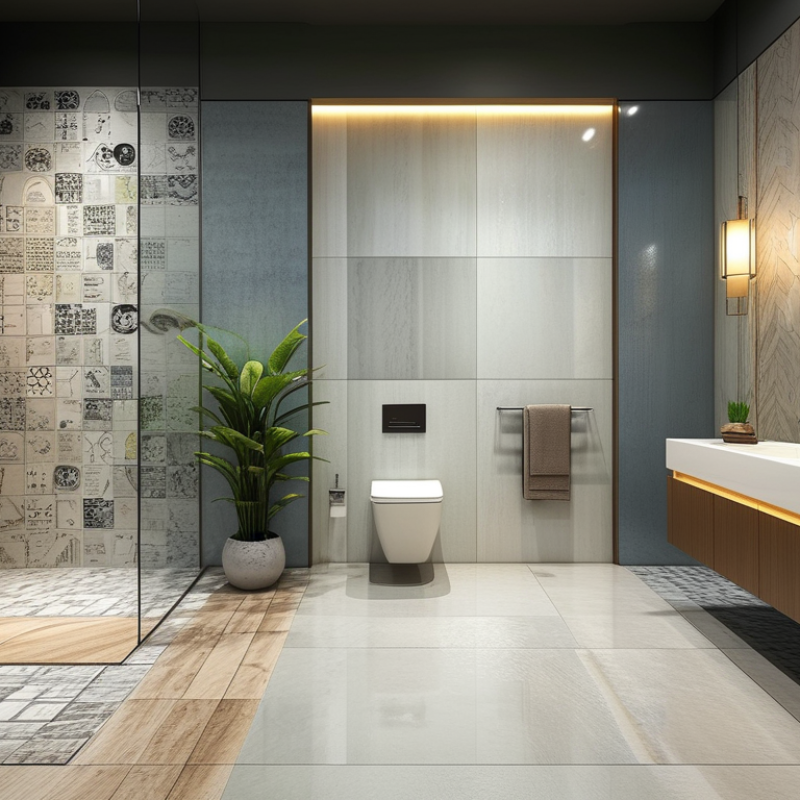
Understanding Wetroom Construction Boards and Their Applications
Wetroom construction boards play a crucial role in creating waterproof spaces. Understanding their materials and features is essential for any project. These boards offer durability and resistance to moisture, making them ideal for wetrooms. Common options include cement-based and foam boards. Cement boards provide strength, while foam boards are lightweight and easier to install.
When selecting a wetroom board, consider the room's specific needs. Think about the environment. Is it a high-traffic area? Choose a board with excellent impact resistance. Are you tiling? Opt for a board compatible with your tile type.
Tips: Always read installation guidelines. Some boards require special adhesives or tools. Check your region's building codes. Compliance ensures your project meets safety standards. Look for certified products to increase reliability.
Reflect on your choices too. Each type of board has its pros and cons. Don't rush the decision. Make informed selections based on your unique project requirements.
Key Factors to Consider When Selecting a Wetroom Construction Board
Choosing the right wetroom construction board is crucial for durability and performance. Several key factors influence the decision-making process. A recent industry report indicated that over 70% of professionals prioritize water resistance when selecting materials. Boards with a high density and low water absorption rate are essential for preventing mold growth in wet environments.
Another consideration is the board's thermal insulation properties. Research shows that effective insulation can reduce energy costs by up to 30% in well-sealed wetrooms. Additionally, the ease of installation can significantly save labor time. Many experienced builders suggest that lightweight boards are easier to handle and cut, minimizing the risk of injury on-site.
Cost is always a factor, but value should outweigh price. Some lower-priced boards may lack in durability, leading to higher long-term expenses. It is vital to consider the full lifecycle of the product, as cheap materials often necessitate earlier replacements due to wear and tear. Reflecting on these points can help ensure a wise investment in your wetroom project.
Comparing Different Types of Wetroom Construction Boards Available
When selecting a wetroom construction board, it’s essential to understand the various options available. Cement backer boards are a popular choice. They offer excellent durability and moisture resistance. However, they can be heavy and challenging to maneuver during installation. Another option is foam boards. These are lightweight and easy to cut. They provide good insulation but may not be as robust as cement backer boards.
Moreover, there are flexible boards designed for irregular spaces. These boards adapt well to unique layouts but may require more careful handling. Evaluating your project’s specific needs is crucial. Consider factors like your budget, installation ease, and final appearance. If you prioritize speed and efficiency, foam boards might fit well. On the other hand, for long-term durability, cement backer boards are a solid choice.
As you explore your options, reflect on how each type aligns with your goals. Ensure you assess potential challenges. Weigh the pros and cons before making a decision. Ultimately, the right choice impacts both the function and aesthetics of your wetroom. Each board brings its advantages and drawbacks to the table. Understanding these nuances is essential for a successful project.
Comparison of Wetroom Construction Boards
Installation Techniques for Optimal Performance of Wetroom Boards
When it comes to wetroom construction, installation techniques greatly influence performance. Proper surface preparation is critical. According to industry reports, nearly 30% of wetroom failures stem from poor substrate conditions. Inspect your substrate for cracks or moisture before laying any boards. Use an appropriate leveling compound to create a uniform surface. This small step significantly enhances durability.
Furthermore, adhering to manufacturer guidelines is essential. Each wetroom board has specific recommendations for installation, including adhesive types and joint sealing methods. For example, proper sealing of overlaps can prevent water ingress, which is a leading cause of mold and structural damage. Studies indicate that poorly sealed joints can reduce a wetroom's lifespan by up to 40%.
Additionally, consider drainage when planning your layout. Installing boards at the correct angle helps direct water flow to drains. A report from the Construction Industry Research and Information Association emphasizes that inefficient drainage is common in DIY projects. This can lead to pooling and damage over time, necessitating costly repairs. Being meticulous with your installation approach pays off in the long term, reducing maintenance needs.
Maintenance and Longevity of Wetroom Construction Boards
When considering wetroom construction boards, maintenance and longevity are key factors. These boards must endure water exposure and humidity. Choosing the right material can greatly enhance durability. For example, some boards resist mold and mildew better than others. Regular inspections can help identify early signs of wear.
Consider the installation process as well. Incorrect installation can lead to problems later. Sealing joints and edges properly is crucial. Over time, sealants can degrade, requiring replacement. It's vital to check seals regularly. Minor cracks can develop, which can lead to significant issues if ignored.
Lastly, a proactive maintenance plan should be in place. Clean the surfaces regularly to prevent buildup of moisture. Even high-quality boards need attention. Occasionally, you may notice areas that require additional waterproofing. Reflecting on your maintenance habits can prevent costly repairs down the line.
How to Choose the Best Wetroom Construction Board for Your Project?
| Feature | Description | Maintenance Tips | Longevity Expectation |
| Water Resistance | Must be able to withstand prolonged exposure to water without degrading. | Regularly check for signs of wear; seal edges if necessary. | Typically 10-20 years depending on usage and maintenance. |
| Thermal Stability | Should not warp or expand under temperature changes. | Avoid extreme temperature fluctuations; maintain a stable environment. | Around 15-25 years depending on environmental conditions. |
| Ease of Installation | Lightweight and easy to cut for precise fitting. | Use appropriate tools for cutting; follow manufacturer’s guidelines. | Installation quality affects longevity greatly. |
| Durability | Should resist impacts and scratches from everyday use. | Clean spills immediately; use non-abrasive cleaners. | 20-30 years with proper care and usage. |
| Eco-Friendliness | Made from sustainable materials, low environmental impact. | Recycle or dispose of responsibly. | N/A - depends on material lifecycle. |