Why Choose Interior Wall Cladding for Your Space Enhancements?
Interior Wall Cladding is becoming a popular choice for enhancing spaces in both residential and commercial settings. According to industry expert Lisa Chang, “Proper wall cladding can transform a space, making it more functional and visually appealing.” This statement highlights the growing importance of aesthetics and utility in interior design.
Cladding offers various materials, from wood to metal, each bringing its unique charm and character. It can improve insulation and reduce noise, which is crucial for urban environments. However, selecting the right type can be overwhelming. Misjudging the choice may lead to unintended consequences, such as poor acoustics or an uninviting atmosphere.
Interior wall cladding deserves careful consideration. While it enhances visual appeal, the right choice must also fit the functional needs of the space. Experimenting with different styles may lead to unexpected results. A mismatch could make a room feel cramped or overly bland. Therefore, reflecting on how cladding interacts with the overall design is essential to achieve the desired result.
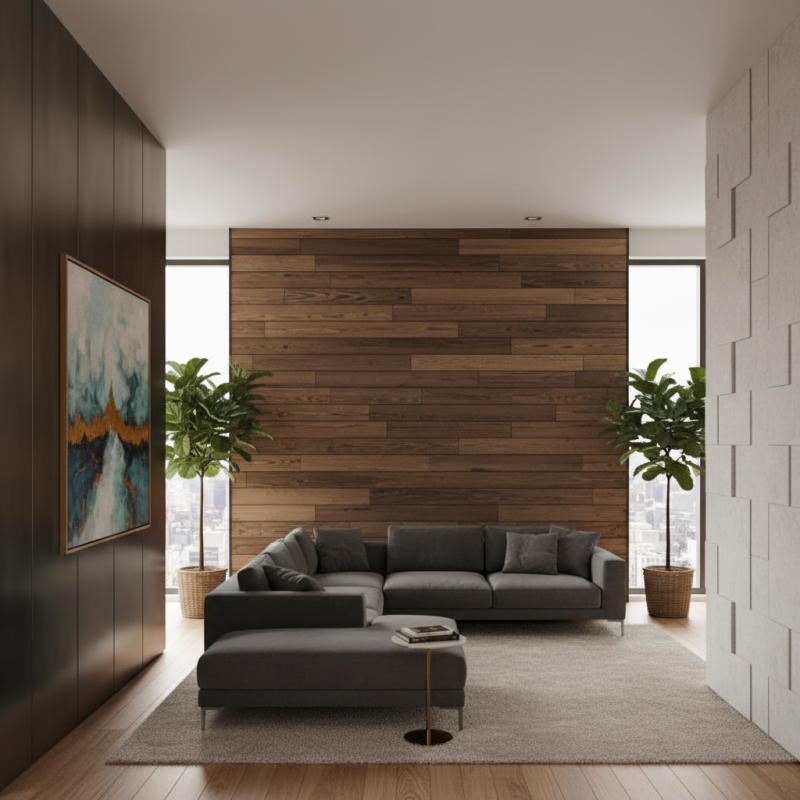
Benefits of Interior Wall Cladding for Aesthetic Appeal
When it comes to enhancing the aesthetic appeal of your space, interior wall cladding stands out. This design choice adds texture and depth, transforming flat surfaces into eye-catching features. A variety of materials like wood, stone, or metal can be used to create unique looks. Each type of cladding has its own character, allowing for personalization.
Using cladding can also improve the overall atmosphere. A warm wooden finish can evoke comfort, while sleek metal panels can create a modern vibe. These materials are not just about looks; they provide insulation and sound control too. There’s a tangible difference in how a room feels with the right cladding.
However, the installation process requires skill and planning. Poorly executed cladding can detract from a room's charm. Cost is another factor to consider. High-quality materials can be expensive, impacting the budget. It’s essential to weigh the benefits against potential pitfalls. Thoughtful design choices can lead to rewarding results, but it’s crucial to stay informed and realistic about expectations.
Why Choose Interior Wall Cladding for Your Space Enhancements? - Benefits of Interior Wall Cladding for Aesthetic Appeal
| Aspect | Benefits | Material Options | Aesthetic Style |
| Durability | Resistant to dents and scratches | Wood, Vinyl, Metal | Modern, Rustic, Industrial |
| Insulation | Enhanced thermal and acoustic insulation | Wood, Composite, Gypsum | Contemporary, Classic |
| Maintenance | Easy to clean and maintain | Vinyl, Metal, Laminate | Minimalist, Trendy |
| Versatility | Customize to fit any theme | Wood, Plywood, Textile | Eclectic, Vintage |
| Sustainability | Environmentally-friendly options available | Reclaimed Wood, Bamboo | Natural, Organic |
Durability and Maintenance Considerations for Cladding Materials
When considering interior wall cladding, durability is key. Many materials, such as vinyl, wood, and metal, offer different levels of resilience. Vinyl is often resistant to moisture and impact, making it ideal for high-traffic areas. On the other hand, wood provides a warm aesthetic but may require more maintenance to prevent water damage. Regular inspections can prevent minor issues from becoming significant.
Maintenance is crucial for the longevity of cladding materials. Some options might need regular cleaning or sealing. Metal cladding, while durable, can develop rust if not properly treated. Wood requires staining and sealing, which can be overlooked. Homeowners must weigh the benefits of low maintenance against the potential need for regular care.
Choosing the right cladding material is about balancing durability and maintenance. Each material comes with trade-offs. Thorough research and consultation with professionals can guide your choice. Reflecting on your daily routine and environment is essential. This ensures that your choice aligns with your lifestyle and preferences.
Types of Interior Wall Cladding and Their Unique Features
Interior wall cladding has gained popularity due to its aesthetic and functional benefits. Various materials are available, each offering distinct features to enhance your space. Wood cladding, for example, brings warmth and a natural feel. Reports indicate that wood can improve indoor air quality by regulating humidity. However, it requires maintenance to prevent warping and decay.
Another option is vinyl cladding, known for its durability and low upkeep. It resists fading and can withstand moisture. Industry data shows that vinyl cladding can last over 30 years with proper installation. While easy to clean, it may lack the refined look of more traditional materials.
Furthermore, stone and ceramic tiles provide a luxurious touch. These materials are robust and resistant to wear and tear. However, they can be quite heavy, necessitating a strong structural support. Not all spaces can accommodate this weight, which can limit design choices. Ultimately, selecting the right cladding involves considering both aesthetics and practicality. Each type presents unique challenges alongside its benefits.
Comparison of Different Types of Interior Wall Cladding
Impact of Wall Cladding on Insulation and Energy Efficiency
Interior wall cladding is more than just an aesthetic choice. It plays a critical role in insulation and energy efficiency. When you select the right materials, you can significantly reduce heat loss during the colder months. This reduction translates into lower energy bills. Many homeowners overlook this benefit, focusing solely on appearance.
A well-designed cladding system can also help regulate temperature fluctuations. It creates a barrier that minimizes drafts. However, not all materials are equally effective. Some may require more maintenance, while others may not perform as expected in different climates. Exploring options can feel overwhelming. Each type of cladding, from wood to composite, has distinct properties that impact insulation.
Investing in high-quality wall cladding is a long-term decision. The upfront cost may seem high, but the potential savings on energy bills can offset this. Consultation with professionals can provide valuable insights. They can help you choose the right materials suited for your specific location. This knowledge is crucial for making an informed choice that balances aesthetics with functionality.
Cost-Effectiveness and Value Addition of Wall Cladding Solutions
When considering wall enhancements, interior wall cladding stands out. It provides both cost-effectiveness and value addition. Homeowners appreciate the aesthetic flexibility that various materials offer. Options range from wood panels to stone veneers. Each type lends a unique charm, transforming spaces without breaking the bank.
Investing in wall cladding can be a smart financial move. The initial costs often offset future repairs and maintenance. Cladding materials are often durable and require less upkeep than traditional finishes. This longevity translates into savings over time. However, one must reflect on the long-term commitment. Choosing the wrong material might lead to regret later.
A careful selection process is crucial. Research different materials based on your space’s needs. Calculate the cost vs. benefits for each option. Consider potential resale value too. Ultimately, making an informed choice can enhance both aesthetics and overall property value. Trust in the process, but be ready for adjustments along the way.