How to Choose the Right Wastewater Chemicals for Your Needs?
Choosing the right Wastewater Chemicals is essential for effective treatment and management. These chemicals play a crucial role in various processes, from purification to disinfection. Many industries rely on these substances to ensure compliance with environmental regulations. However, selecting appropriate wastewater chemicals can be challenging.
You should consider several factors. The type of wastewater, the specific contaminants, and the desired treatment outcome all impact your chemical choice. Not every chemical will suit your needs. Some may be more effective in certain situations than others. It's not just about picking a popular brand. Understanding your unique requirements is vital.
Furthermore, the cost and availability of these chemicals are also key considerations. A cheaper option might not always be the best. Sometimes, investing a bit more can lead to better results. It’s crucial to reflect on your choices and consult experts. Their knowledge can guide you in making informed decisions. Balancing effectiveness, safety, and cost is the goal.
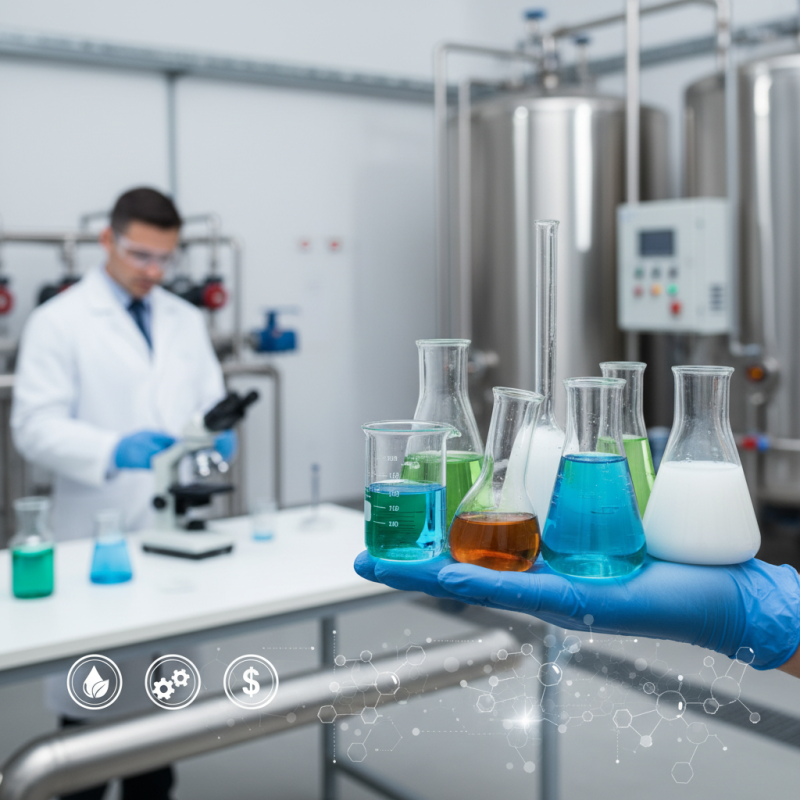
Understanding Different Types of Wastewater Treatment Chemicals
Wastewater treatment chemicals play a vital role in ensuring effective purification processes. They help mitigate pollutants and improve water quality. Understanding the different types of chemicals is crucial for effective waste management. For instance, coagulants are essential for removing suspended solids. They bind these solids into larger particles that can be easily filtered out. According to industry reports, coagulants can reduce turbidity levels by over 90% in various treatment processes.
Another category includes flocculants, which enhance the sedimentation of particles. They help form larger flocs, aiding in the removal of contaminants. Research indicates that using the right flocculant can achieve a higher settling rate by about 30% compared to traditional methods. However, choosing the correct flocculant can be complex due to the varying chemical compositions in wastewater.
Disinfectants like chlorine and ozone are also crucial in wastewater treatment. They help eliminate harmful pathogens. A 2021 study found that chlorine can reduce microorganisms by up to 99.9999%. Despite their effectiveness, the use of disinfectants requires careful consideration. Overuse can lead to chemical byproducts, posing health risks. Therefore, understanding the characteristics and impacts of each type of chemical is essential for successful wastewater management.
Key Factors to Consider When Selecting Wastewater Chemicals
When selecting wastewater chemicals, several key factors come into play. Understanding the specific needs of your wastewater treatment process is crucial. Analyze the type of contaminants present. Different chemicals are effective against different pollutants. For instance, some chemicals work well for heavy metals, while others target organic compounds. Conduct thorough testing to identify the primary issues in your wastewater.
Another important aspect is the chemical's compatibility with the existing treatment system. Some chemicals may react negatively with others or disrupt the treatment process. This can lead to inefficiencies and increased costs. Consulting with experts can provide valuable insights. They can help evaluate your system and suggest the best options.
Cost-effectiveness should also be a consideration. While some chemicals may be cheaper initially, they could lead to higher operational costs in the long run. Evaluate the dosage requirements and potential for wastage. It’s essential to find a balance between performance and cost. Remember, the goal is to achieve efficient treatment while minimizing environmental impact.
Industry Standards and Regulations Affecting Chemical Selection
When choosing wastewater chemicals, industry standards and regulations play a crucial role. The Environmental Protection Agency (EPA) and other regulatory bodies set guidelines that often dictate the types of chemicals permissible for various applications. Understanding these standards is vital for compliance and environmental safety. For instance, the EPA's National Pollutant Discharge Elimination System (NPDES) emphasizes the importance of using approved treatment chemicals. This ensures that discharged water meets specific quality thresholds.
Adhering to industry regulations requires knowledge of toxicity and bioaccumulation factors. The Hazardous Materials Table outlines chemicals' environmental impact. A report by the American Water Works Association indicates that improper chemical selection can lead to significant regulatory fines. Facilities often face challenges in aligning their chemical choices with these standards. For example, using a chemical not thoroughly vetted can lead to unexpected compliance issues. It is essential to scrutinize chemical data sheets and ensure they meet local regulatory requirements.
Despite having guidelines, many facilities struggle with full compliance. Factors like fluctuating water quality complicate chemical selection. Some operators rely on outdated practices, risking legal repercussions. Periodic training on current regulations and emerging solutions is vital. Engaging with experts can provide insights into best practices that align with evolving regulations. This proactive approach encourages continuous improvement and reinforces a facility's commitment to environmental stewardship.
How to Choose the Right Wastewater Chemicals for Your Needs?
| Chemical Type | Primary Use | Regulatory Compliance | Safety Considerations | Cost per Unit |
| Aluminum Sulfate | Coagulation/Flocculation | EPA Standards | Non-toxic, Skin Irritant | $0.30/kg |
| Sodium Hypochlorite | Disinfection | OSHA Standards | Corrosive, Respiratory Hazard | $0.50/L |
| Ferric Chloride | Coagulation | EPA Standards | Corrosive, Eye Irritant | $0.45/kg |
| Polymer Flocculants | Sludge Reduction | Industry Guidelines | Generally Safe, Minimal Risk | $2.00/kg |
| Calcium Hypochlorite | Disinfection | OSHA Standards | Corrosive, Toxic Fumes | $0.65/kg |
Evaluating Chemical Efficacy Based on Treatment Goals and Conditions
Choosing the right wastewater chemicals can be a daunting task. The effectiveness of these chemicals largely depends on your specific treatment goals. For instance, removing contaminants like heavy metals requires different chemicals than those used for biological treatment. Understanding the contaminants present in your wastewater is crucial. It directs you to the appropriate chemicals needed for effective treatment.
Consider the conditions of your wastewater. Factors like pH, temperature, and turbidity can influence chemical efficacy. For instance, some chemicals work better at higher pH levels. Regular testing and monitoring of these conditions are essential. This information helps in fine-tuning the chemical selection process. It ensures that the treatments align with your operational goals.
Experience plays a key role in selecting the right chemicals. Some chemicals may show quick results but could lead to long-term challenges. Their long-term impact on the treatment system should be evaluated. Available data on chemical efficacy can guide decision-making, but personal insights from previous uses can provide invaluable context. Balancing immediate results with sustainable practices is often a reflective challenge in wastewater management.
Comparative Efficacy of Wastewater Treatment Chemicals
Cost Analysis: Balancing Performance and Budget in Chemical Choices
Choosing the right chemicals for wastewater treatment is both an art and a science. Financial considerations play a pivotal role in this decision-making process. Understanding the performance of each chemical is essential, but so is comparing costs. A high-performing chemical might come at a steep price, which can strain budgets. It's important to incorporate a total cost of ownership approach. This means looking beyond the purchase price to include maintenance and potential disposal costs.
Balancing performance with budget requires detailed analysis. You might find that some chemicals perform well initially but fail to deliver long-term results. This can lead to unexpected expenses and inefficiencies. Testing smaller batches can help gauge how these chemicals perform in your specific situation. This practice allows for better budgeting and can prevent costly missteps.
Consulting with experts in wastewater management can also offer insights. They can help identify the most cost-effective solutions tailored to your needs. However, it's crucial to remain skeptical and continuously assess performance. Monitoring effectiveness will help ensure that your investment proves beneficial. There’s always room for improvement, and past decisions should guide future choices. Strive for a balance that meets both performance standards and budgetary limits.