How to Choose the Right Large Injection Molding Machine?
Choosing the right large injection molding machine is crucial for manufacturing success. Many factors influence this decision. The cost, production capacity, and energy efficiency are key considerations.
When selecting a large injection molding machine, assess your specific needs. Understand the materials you'll use and the complexity of your designs. Some machines may not suit intricate shapes or high-demand production.
The market offers various options, yet not all will meet your expectations. Research and gather experiences from industry experts. Their insights can guide you toward a reliable choice. Balancing performance with budget constraints can be challenging. Take time to reflect on your options before making a commitment.
Understanding the Basics of Large Injection Molding Machines
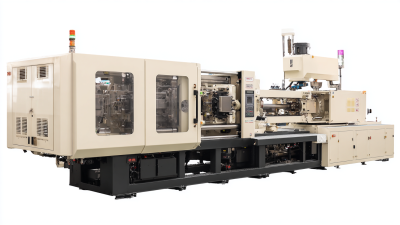
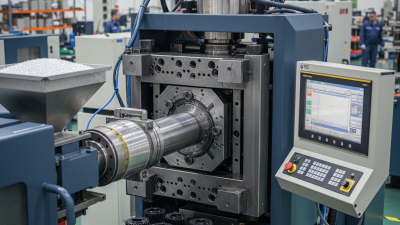
When considering large injection molding machines, it's essential to understand their components and operation. These machines typically consist of a hopper, a heating barrel, and a mold.
The hopper feeds plastic pellets into the barrel. Here, they are heated and melted before being injected into the mold. This process is crucial for creating strong, consistent parts for various applications.
Selecting the right machine involves assessing production capacity and the type of materials used. Each machine is designed to handle specific material types, such as thermoplastics or thermosets. It's vital to consider the machine's clamping force and injection speed. A mismatch can lead to poor-quality products.
Additionally, manufacturers should evaluate energy efficiency and maintenance requirements to ensure long-term reliability.
Not all machines meet the same standards. Some may have outdated technology, which can affect precision. Monitoring machine performance regularly can identify inefficiencies. Production demands may change, making it necessary to reflect on whether the machine can adapt.
Choosing a large injection molding machine is not just about initial costs; it's about understanding operational implications and future scalability.
Key Factors to Consider When Choosing an Injection Molding Machine
Choosing the right large injection molding machine requires careful consideration of several key factors. Understanding your production needs is crucial. Look at your expected output volume and part dimensions. You want a machine that not only meets these requirements but can also adapt to future demands.
Material compatibility is another significant aspect. Different machines work better with specific materials. Assess the types of plastics you'll be using and make sure your choice can handle various formulations. Sometimes, a machine may perform well with standard grades but struggle with advanced compounds.
Consider energy efficiency as well. Machines that consume less energy can lead to cost savings in the long run. Investigate the technology behind the machine. Modern machines often feature better energy management systems, which can significantly reduce operational costs.
Think about maintenance and support too. Regular upkeep is vital for longevity. A machine with readily available parts and a good support network can save you from extended downtimes.
Evaluate the machine's versatility. Some machines can switch between different processes. This feature can be valuable if your production needs change.
Reflecting on these factors ensures a more informed decision. Your choice should align with both current and future manufacturing strategies. Balancing these elements will pave the way for successful operations.
Assessing Production Capacity and Cycle Time Requirements
Choosing the right large injection molding machine requires careful consideration of production capacity and cycle time requirements. Understanding how these factors influence your operation is crucial for maximizing efficiency. According to industry reports, injection molding machines with higher production capacities can produce around 10% more parts per hour. However, this increase can also lead to longer cycle times if not managed properly.
Cycle time is influenced by various factors, including mold design and cooling time. Optimizing these elements can result in shorter cycle times without sacrificing quality. A recent study indicated that even a 5% reduction in cycle time can significantly boost overall productivity. However, achieving this balance is challenging. Some machines may offer high speed but at the cost of energy efficiency and part integrity.
In practical terms, consider a situation where a larger capacity machine could produce parts more quickly. If production demand spikes, a machine that operates efficiently under these conditions can handle the load better. However, if cycle times increase dramatically during production, it may negate the benefits of the larger machine. Therefore, businesses must weigh the tangible benefits against potential drawbacks. This contemplation often reveals the need for a comprehensive analysis of specific production needs. Making an informed decision is key to successful operations.
How to Choose the Right Large Injection Molding Machine? - Assessing Production Capacity and Cycle Time Requirements
| Machine Model |
Production Capacity (units/hour) |
Cycle Time (seconds) |
Clamping Force (tons) |
Shot Weight (grams) |
| Model A |
1200 |
25 |
1800 |
500 |
| Model B |
1500 |
20 |
2000 |
600 |
| Model C |
1000 |
30 |
1500 |
400 |
| Model D |
900 |
35 |
1200 |
350 |
Evaluating Machine Features and Technologies for Efficiency
When selecting a large injection molding machine, evaluating features and technologies is essential for achieving efficiency. Understanding the injection speed, clamping force, and shot size is crucial. These specifications impact production cycles and overall productivity. Different projects may require different machine capabilities. This variability could lead to selection mistakes if not carefully considered.
Incorporating advanced technologies like servo motors can enhance precision and reduce energy consumption. However, costs can rise significantly. Balancing performance and investment must be a priority. Moreover, look for machines with user-friendly interfaces and automation features. These can simplify operations but may introduce complexities in training staff. It's vital to ensure your team is equipped to manage these technologies effectively.
Consider the machine's maintenance needs as well. Some machines demand frequent servicing, affecting long-term costs. Reliability in long production runs can be compromised if these needs aren’t met. Moreover, a thorough evaluation should include the machine's adaptability to upcoming materials and processes. Future-proofing your investment can avoid costly replacements and upgrades. Reflecting on these aspects now can save time and resources later.
Budget Considerations and Long-Term Investment in Machinery
Choosing the right large injection molding machine involves careful planning, especially regarding your budget. Investing in machinery is more than just the initial purchase price. Consider the total cost of ownership, which includes maintenance, energy consumption, and potential downtime. These factors can significantly impact your long-term expenses and profitability.
When budgeting, evaluate your production needs. High-volume production requires robust machinery with higher upfront costs. However, the returns could justify the investment. Sometimes, cheaper machines may lead to higher operational costs and frequent repairs. Balancing initial costs with the long-term benefits can be tricky but essential.
Reflect on your future production goals. Will your needs change? A machine that accommodates growth is often valuable. This investment might seem daunting. Yet, overlooking these considerations can result in costly mistakes. Investing wisely means looking beyond immediate needs and anticipating future requirements.