
Contract Manufacturing for Injection Molded Plastic Products in North America
(800) 824.0607

RFQ / CONTACT
Contract Manufacturing for Injection Molded Plastic Products in North America | (800) 824.0607

How to Choose a Circuit Breaker Distribution Panel?

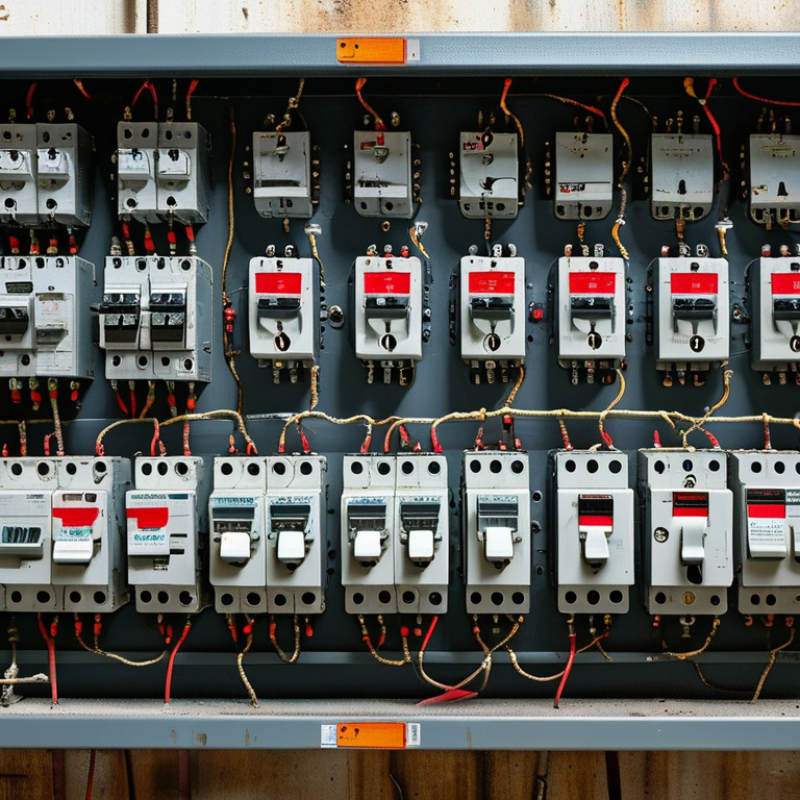
Choosing a Circuit Breaker Distribution Panel is more than selecting a metal enclosure with breakers. It is a safety decision that affects every connected circuit, appliance, and occupant. The right panel must match the building’s calculated load, voltage, phase arrangement, fault current, environment, and future expansion plans. A residential panel in a dry utility room has different demands from an industrial panel exposed to dust, heat, or moisture.

Electrical educator Mike Holt has said, “Electricity is not something to be feared, but it is something to be respected.” That principle should guide every panel choice. Look for clear circuit identification, suitable breaker compatibility, adequate busbar ratings, reliable grounding, and accessible maintenance space. Confirm the panel’s interrupting rating against the available fault current. Never assume that a higher ampere rating automatically means better protection.

This guide explains how to compare enclosure types, main breaker arrangements, circuit capacity, and installation conditions. It also considers recognized requirements, such as the National Electrical Code or applicable IEC standards, because local rules and inspection practices can differ. A qualified electrician should verify the final selection and installation.

No selection guide is perfect. Site conditions can change. Future equipment may increase demand. A panel that seems sufficient today might become restrictive later. Careful measurement, professional review, and honest documentation reduce that risk. The goal is not simply to buy a larger Circuit Breaker Distribution Panel. It is to choose a dependable system that protects people, equipment, and the building for years.
How to Choose a Circuit Breaker Distribution Panel?

Define the Electrical Load and Distribution Requirements

Define the electrical load before selecting a circuit breaker distribution panel. List every fixed appliance, outlet circuit, lighting group, and special-purpose load. Record its voltage, rated power, phase, and expected operating hours. Do not rely only on the total wattage shown on equipment labels.

A practical load schedule should separate continuous loads from occasional loads. Heating equipment, pumps, and charging systems may operate for long periods. Motors can also draw higher current during startup. Calculate these conditions using applicable electrical standards and local requirements. Include future circuits, such as workshop tools or an additional air-conditioning unit. A crowded panel creates problems later.

Balance circuits across the available phases to reduce neutral current and improve system performance. Check the panel’s main rating, bus capacity, short-circuit rating, and available space. Feeder size must match the calculated demand, installation method, and voltage-drop limits. Environmental conditions matter too. Dust, moisture, and heat can affect enclosure selection and breaker performance.

The first estimate is rarely perfect. Recheck measurements on site. A small error in one load can change the required panel size. Clear circuit labels, updated drawings, and accessible working space support safer maintenance. A qualified electrician should verify calculations and confirm compliance before installation. Over-sizing may increase cost, while under-sizing can create dangerous overheating. It is an easy detail to underestimate.

Select the Appropriate Panel Type and Circuit Capacity

How to Choose a Circuit Breaker Distribution Panel?

Selecting the right panel begins with the building’s actual electrical demand. A larger amp rating is not automatically better. The service rating, voltage, phase, and available fault current must match the installation. For example, a small workshop may need a 100-amp panel, while a home with electric heating may require 200 amps or more. A licensed electrician should complete a load calculation before choosing the panel. Guessing can create expensive problems later.

Panel type also affects safety and maintenance. A main breaker panel suits many residential installations because it provides a clear disconnect point. A main lug-only panel may work as a downstream panel when another disconnect already exists. Outdoor locations need weather-resistant enclosures, while damp areas require suitable protection against moisture. Check the number of circuits, busbar rating, breaker compatibility, and available spaces. I have seen projects fail because the panel had enough amperage but too few spaces for future circuits. That detail is easy to miss.

Tips: Leave spare spaces for expansion. Do not fill every slot on day one. Confirm the panel’s interrupt rating and enclosure rating with the electrician. Keep circuit labels readable and accurate. Local electrical codes may differ, so verify requirements before purchase. A compact panel can look convenient, but crowded wiring may make inspection and servicing harder. Clearance matters too, especially near doors, pipes, and stored materials.

How to Choose a Circuit Breaker Distribution Panel?

Select the appropriate panel type and circuit capacity based on rated current and available circuit spaces.

Residential panels commonly use 100–200 A main ratings, while larger commercial panels may require 400 A or more. The number of circuit spaces indicates how many single-pole breaker positions are available; the final selection should be verified against the calculated load, local electrical codes, and future expansion needs.

Verify Voltage, Phase, Busbar, and Main Breaker Ratings

How to Choose a Circuit Breaker Distribution Panel?

Choosing a distribution panel starts with the electrical system, not the enclosure size. Verify the system voltage before comparing models. A 120/240-volt single-phase supply needs different equipment from a 208Y/120-volt three-phase supply. The panel voltage rating must meet or exceed the measured system voltage. Check the frequency and service configuration too. A mismatch can cause incorrect breaker operation or unsafe equipment connections.

Confirm the phase arrangement and available circuit spaces. A three-phase panel may not suit a single-phase installation without specific approval and correct wiring. Inspect the busbar rating carefully. Its ampacity should support the calculated continuous and noncontinuous loads. Also check the panel’s short-circuit current rating against the available fault current. This detail is easy to miss. It matters during a fault.

The main breaker rating must coordinate with the service capacity, feeder conductors, and calculated load. A larger breaker is not automatically safer. It may fail to protect undersized conductors. During a site review, I once focused on breaker amperage and overlooked phase compatibility. That mistake changed my inspection checklist. Use the electrical drawings, conductor sizes, and utility data together. A qualified electrician should verify the final selection against current local requirements. Load calculations can be imperfect, especially when future equipment is only estimated. Leave documented assumptions for later review.

Check Safety Features, Standards, and Installation Conditions

How to Choose a Circuit Breaker Distribution Panel?

Check Safety Features, Standards, and Installation Conditions

A suitable distribution panel begins with safety, not appearance. Check its rated voltage, current capacity, and short-circuit withstand rating. These values must match the building supply and expected fault current. A qualified electrician should verify the calculations. Guessing is risky.

Look for secure covers, clear circuit labels, and protected live parts. The enclosure should resist heat, impact, and moisture where required. In a damp utility room, choose an enclosure with an appropriate protection rating. Leave enough space around the panel for safe operation and future maintenance. Crowded wiring creates avoidable problems. Arc-fault and residual-current protection may also be necessary, depending on the installation and local rules.

Confirm that the panel complies with applicable national standards and carries recognized testing certification. Standards can differ by region, so a product approved elsewhere may not satisfy local requirements. Check conductor sizes, terminal capacity, grounding arrangements, and breaker compatibility together. These details are easy to overlook. They should not be treated as separate choices.

Installation conditions matter just as much. Measure the wall space, cable entry points, ambient temperature, and access route before purchasing. Avoid locations exposed to flooding, corrosive vapors, or accidental impact. A careful installer should inspect the finished connections, tighten terminals to the specified torque, and test every protective device. Even experienced workers can miss one loose connection, so independent verification remains worthwhile.

Compare Expandability, Enclosure Design, and Maintenance Needs

Choosing a circuit breaker distribution panel starts with future load, not today’s empty spaces. Site inspections often reveal crowded gutters after one expansion. The IEA’s Electricity 2024 report projects global electricity demand will grow about 4% in 2024 and 2025. That trend makes spare capacity practical, not decorative. Specify 20–30% spare ways, suitable bus capacity, and enough room for cable bending. This is a planning rule, not a universal code requirement. Review it against the calculated load and fault level. A panel accepting extra breakers may still need a larger feeder.

Enclosure selection should match dust, moisture, impact, and working access. IEC 60529 IP ratings describe ingress protection, while local rules may require different classifications. In a washdown room, a gasketed enclosure and corrosion-resistant hardware matter more than a polished door. NFPA estimated 32,000 U.S. home fires annually involved electrical distribution and lighting equipment during 2016–2020. That figure is not panel-only data, but it supports secure covers, correct clearances, and heat inspection.

NFPA 70B recommends documented electrical maintenance based on equipment condition and risk. Keep a circuit schedule inside the door, label spare ways, and preserve test access around terminals. Thermal scanning can identify abnormal heating, but it cannot replace torque checks or functional testing. Removable dead fronts reduce maintenance disruption. Convenient access reduces downtime. I would not over-specify every feature. Complexity can create new maintenance errors. The honest design question is whether staff can inspect the panel correctly six months later.

How to Choose a Circuit Breaker Distribution Panel? - Compare Expandability, Enclosure Design, and Maintenance Needs

Panel Configuration Typical Breaker Capacity Expandability Enclosure Design Common Protection Level Maintenance Needs Best-Fit Application
Small residential load center Usually 12–42 circuits; commonly up to 225 A Moderate; select unused spaces and a compatible bus rating for future circuits Compact wall-mounted steel cabinet with a hinged or removable front cover Indoor enclosure commonly equivalent to NEMA 1 Visual inspection, torque verification, thermal checks, and cleaning during scheduled service Apartments, houses, small offices, and light commercial spaces
Residential panel with spare ways Typically 24–54 circuits; commonly 100–225 A High for residential use; reserved spaces can support later loads such as EV charging or solar equipment Larger wall-mounted enclosure with organized wiring space and clearly labeled circuit positions Indoor enclosure commonly equivalent to NEMA 1; weather-resistant versions are available Low to moderate; maintain clear labels, inspect terminations, and test protective devices as required Buildings expected to add appliances, renewable generation, or dedicated circuits
Commercial modular panelboard Approximately 18–84 circuits; commonly 225–600 A High; modular interiors and multiple sections simplify circuit additions and feeder changes Floor- or wall-mounted steel enclosure with removable dead fronts and generous wiring gutters Indoor enclosure commonly equivalent to NEMA 1; higher protection can be specified Moderate; requires periodic infrared inspection, connection tightening, cleaning, and breaker testing Retail units, schools, offices, workshops, and medium-size commercial facilities
Industrial distribution panel Often 30–120 circuits; commonly 400–1,200 A Very high; sections, feeder breakers, metering, and auxiliary equipment can be configured for expansion Robust floor-standing cabinet with segregated wiring areas and improved access for large conductors Indoor NEMA 1 is common; NEMA 3R, 12, or 4X may be selected for environmental conditions High; requires documented shutdown procedures, insulation checks, thermal scanning, and protective-device testing Manufacturing plants, process facilities, warehouses, and large mechanical systems
Outdoor weather-resistant panel Commonly 12–42 circuits; generally up to 600 A depending on construction Moderate; expansion depends on internal space, environmental rating, and available feeder capacity Gasketed, corrosion-resistant cabinet with a rain hood or sloped top where required NEMA 3R is typical for outdoor rain protection; NEMA 4 or 4X may be required for washdown or corrosion Moderate to high; inspect seals, drainage, corrosion, condensation, and cable entries Outdoor equipment, utility areas, farms, construction sites, and service entrances
Metering or service-entry panel Typically 12–42 circuits; commonly 100–600 A Limited to moderate; service capacity, utility rules, and available bus space restrict future additions Dedicated compartments for service disconnects, metering, and distribution equipment Indoor NEMA 1 or outdoor NEMA 3R are common, subject to local utility requirements Moderate; access may require utility coordination, and seals, covers, and service connections must be inspected Main service entrances, multi-tenant buildings, and facilities requiring integrated metering
Critical-load distribution panel Often 18–54 circuits; commonly 100–600 A Moderate to high; spare capacity is recommended, but changes require careful coordination with backup power systems Secure enclosure with clear circuit identification, optional bypass arrangements, and monitoring provisions Indoor NEMA 1 is common; protection level depends on the room and installation environment High; requires scheduled functional testing, alarm verification, load review, and detailed maintenance records Data rooms, healthcare areas, emergency systems, and other continuity-sensitive loads

Typical ranges vary with the electrical system voltage, available fault current, local code requirements, installation environment, and the panel manufacturer’s listed configuration. Final selection should be verified by a qualified electrical professional.