
Contract Manufacturing for Injection Molded Plastic Products in North America
(800) 824.0607

RFQ / CONTACT
Contract Manufacturing for Injection Molded Plastic Products in North America | (800) 824.0607

How to Choose the Best Outdoor Flooring for Your Needs?

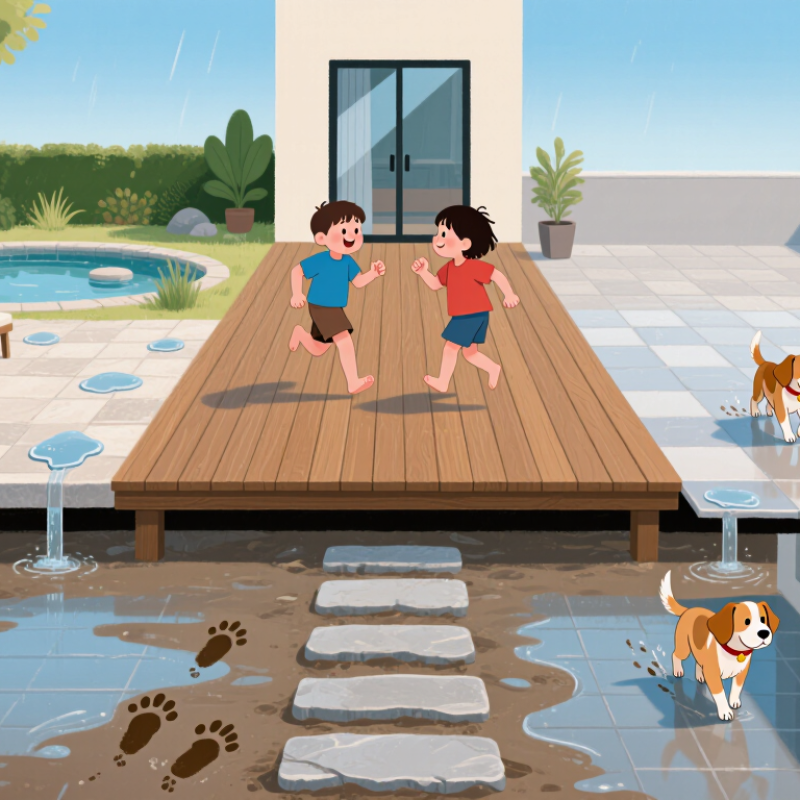
Choosing the best Outdoor Floor starts with how you live outside, not with a sample board. A shaded patio beside a garden pond faces different demands from a sunny deck where children run barefoot. Rain, standing water, grit, pets, and seasonal temperature changes all affect comfort and wear. Even the path from the kitchen matters; muddy shoes can quickly expose a poor surface choice.

“Choose for the conditions underfoot, not just the look in the showroom.” This is an illustrative quote, not a statement from a real, verified industry expert. It captures a practical point: compare materials for slip resistance, drainage, maintenance, installation needs, and expected use. Wood can feel warm and natural, while composite boards may reduce routine upkeep. Porcelain pavers offer a crisp finish, but their weight and installation requirements need careful review. No option is perfect.

Measure the space and note where water collects after a storm. Check whether the surface becomes hot in direct sun, and ask how repairs are handled if a board or tile breaks. A low purchase price may not mean lower long-term cost. I would also question any claim that one material suits every climate; real yards are less predictable than brochures suggest. The right Outdoor Floor should feel safe, suit your home, and remain manageable after the first season.
How to Choose the Best Outdoor Flooring for Your Needs?

Define Your Outdoor Flooring Needs and Usage Conditions

Before comparing outdoor flooring, notice how the space will actually be used. A narrow balcony with two chairs has different needs from a patio where children run and dining chairs scrape across the surface. Measure the area, then note where people walk, sit, and move furniture. Start there.

Weather matters just as much. After rain, does water drain quickly, or does it collect near the door? Does the space get strong afternoon sun, winter frost, or salty air? These conditions affect comfort, drying time, and how often the floor may need care. A shaded, damp corner can grow slippery, even when the rest of the patio feels dry. Check the ground beneath the flooring too; an uneven base can make some surfaces shift or wobble.

Think about maintenance honestly. Would you sweep leaves each week, rinse mud after a storm, or reseal a surface on schedule? If that sounds unlikely, choose a material whose care fits your routine. Be realistic. I have seen people choose a beautiful finish, then avoid using the patio because it became hot underfoot or needed more cleaning than expected. Bring a sample outside if possible, and test it in sun and shade before deciding. A small test may still miss seasonal changes, but it can reveal glare, texture, and heat.

Compare Outdoor Flooring Materials and Their Key Properties

Outdoor flooring should match the weather, traffic, and upkeep you can realistically manage. Natural wood feels warm underfoot and can suit a shaded deck, but rain and strong sun may cause fading, splinters, or movement. It needs periodic cleaning and protective treatment. Worth the effort? Sometimes.

Composite boards resist moisture and need less routine care, though they can become hot in direct summer sun. Their surface texture varies, so check samples with wet shoes rather than judging by appearance alone. Porcelain pavers offer a hard, easy-to-clean surface, but choose an outdoor-rated, slip-resistant finish. Smooth tiles can turn slick after rain. They also need a stable, well-drained base; otherwise, cracks or standing water may follow.

Concrete is durable and often practical for busy patios. A textured or broom-finished surface can improve grip, while shade structures may reduce heat buildup. Stone brings natural variation, but porous types may absorb stains and require sealing. Installation conditions matter. A level base, suitable drainage, and expansion allowances can affect performance as much as the material itself. I would compare maintenance needs, temperature underfoot, slip resistance, and repair options before choosing; no surface excels in every setting.

How to Choose the Best Outdoor Flooring for Your Needs? — Compare Outdoor Flooring Materials and Their Key Properties
Material Durability and Typical Service Life Water and Weather Performance Maintenance Comfort and Slip Considerations Best Suited For
Porcelain pavers Hard, abrasion-resistant surface; often lasts for decades when correctly installed. Very low water absorption. Frost performance depends on the product rating and installation. Low; sweep and wash periodically. Grout or joints may need occasional care. Can become hot in direct sun. Choose a textured, exterior-rated finish for better wet traction. Patios, pool surrounds, and areas where a low-maintenance, consistent finish is desired.
Natural stone Often very durable, but performance varies by stone type, thickness, and installation. Varies: some stones absorb water or are vulnerable to freeze-thaw damage. Sealing may be appropriate. Regular cleaning; some types benefit from periodic sealing. Avoid cleaners unsuitable for the stone. Texture and temperature vary by finish and color. Select a slip-conscious finish for wet areas. Distinctive patios and paths where natural variation and long-term durability are priorities.
Poured or precast concrete Strong underfoot; a well-built slab can serve for many years. Cracking can occur with movement or poor drainage. Withstands outdoor exposure, but water can penetrate and contribute to freeze-thaw damage if the mix or drainage is unsuitable. Low to moderate; clean as needed and consider resealing depending on finish and exposure. Can get hot in sun. Broom-textured finishes generally offer more traction than smooth finishes. Large patios, paths, and practical installations where a continuous surface is useful.
Composite decking Resists rot and insect damage; service life varies by product, climate, and installation. Typically handles moisture better than untreated wood, but it still requires proper drainage and airflow. Usually low; wash off dirt and promptly remove debris that can hold moisture or cause staining. May become hot in direct sunlight. Traction varies by surface profile and wet conditions. Decks where reduced painting or staining is preferred over the look of natural wood.
Pressure-treated or naturally durable wood Service life depends heavily on species, treatment, construction, and exposure; boards may need replacement over time. Can weather outdoors, but standing water and persistent dampness increase the risk of decay and movement. Moderate to high; cleaning and periodic sealing or staining may be needed. Often comfortable underfoot, though it can splinter or become slippery when algae or moisture accumulate. Decks where a traditional natural appearance and the ability to refinish the surface are valued.
Outdoor rubber tiles Resilient and impact-absorbing; durability depends on material quality, UV exposure, and traffic. Many products tolerate moisture, but the base and tile layout must allow drainage to limit trapped water. Low; sweep and wash periodically. Inspect edges and joints for lifting or debris. Soft and cushioned underfoot; texture can provide grip, but check the product’s suitability for wet areas. Play areas, exercise spaces, and locations where cushioning is more important than a stone-like finish.

Selection note: Actual performance depends on product specifications, climate, sub-base preparation, drainage, and installation. For wet or sloped areas, check the manufacturer’s slip-resistance guidance and local building requirements.

Evaluate Climate, Drainage, Safety, and Maintenance Requirements

How to Choose the Best Outdoor Flooring for Your Needs?

Evaluate Climate, Drainage, Safety, and Maintenance Requirements

Outdoor flooring has to suit the weather it will actually face. In freeze-thaw climates, water trapped in porous surfaces can expand and cause cracking. In hot, sunny areas, dark materials may become uncomfortable under bare feet. Think about how rain moves across your patio, too. A slight slope and open drainage paths help prevent puddles near doors and furniture. Check the surface after a storm; a small low spot can reveal more than a product description.

Safety matters when surfaces get wet. Textured finishes often provide better grip than smooth ones, but texture can also hold dirt. If children or older adults use the space, test a sample with damp shoes and bare feet before committing. Maintenance deserves the same practical check: consider how often you are willing to sweep, wash, reseal, or replace individual pieces. I once assumed a low-maintenance surface meant no upkeep. That was not quite true.

Tips: Ask for a sample and leave it outdoors for several days. Check its color in direct sun, feel its temperature at midday, and pour water over it. Note whether water drains quickly or leaves a slick film. Also ask an installer how the chosen material performs in your local climate, and verify that the base beneath it is prepared for proper drainage.

Match Installation Methods and Costs to Your Available Resources

Choosing outdoor flooring starts with an honest look at your time, tools, and ground conditions. Interlocking deck tiles can suit a small, level balcony because they need little cutting and can often be installed without specialized equipment. For a larger patio, poured concrete or professionally laid pavers may last longer, but they require site preparation, lifting, and careful leveling. A low purchase price can be misleading if the base needs repairs.

Compare the full installation cost, not just the price per square foot. Include delivery, underlayment, edge trims, drainage work, and tool rental. If you plan to install the floor yourself, measure twice and order a little extra for cuts or damaged pieces. I learned that the hard way. Sloped or uneven ground may call for professional assessment; water trapped beneath flooring can lead to movement or decay. Ask contractors for itemized estimates and confirm what preparation is included.

Tips: Mark the area with string, then test drainage after rain. Set aside a small sample outdoors for a few days to check heat, grip, and color changes. Be realistic about maintenance, too: loose gravel is quick to spread, but it may need regular raking. Choose a method you can actually maintain.

How to Choose the Best Outdoor Flooring for Your Needs

Estimated installed cost per square foot (USD), shown as the midpoint of typical price ranges

Match the method to your resources: Gravel is generally the lowest-cost, most DIY-friendly option, but needs a well-prepared base and occasional replenishment. Pavers can suit a capable DIYer with time for excavation and leveling. Poured concrete and natural stone usually require more specialized labor; composite decking requires a sturdy frame and careful installation. Costs vary with location, site preparation, material quality, and project size.

Select the Flooring Option That Best Fits Your Long-Term Needs

How to Choose the Best Outdoor Flooring for Your Needs?

Select the Flooring Option That Best Fits Your Long-Term Needs

Outdoor flooring should suit the way you actually use a space, not just how it looks on installation day. Think about rain, direct sun, muddy shoes, and furniture dragged across the surface. A shaded patio may stay damp for hours, while a sunny deck can become uncomfortable under bare feet. Small details matter.

Compare materials by upkeep and repair, not only by purchase cost. Porcelain pavers resist many stains and are easy to clean, but they need a stable, well-prepared base. Natural stone offers varied texture, yet some types need periodic sealing. Composite boards can reduce routine finishing work, though their surface may heat up in strong sun. Ask how a sample feels at midday. It’s not always obvious.

Your climate and maintenance habits should guide the choice. In freeze-thaw regions, water that collects beneath flooring can cause problems, so drainage and installation quality deserve careful attention. Near a pool, prioritize a surface that provides reliable traction when wet. If you rarely want to reseal or scrub, avoid options that depend on frequent treatment. Be realistic. I might choose a beautiful material and still regret its upkeep. Before deciding, check cleaning instructions, replacement availability, and whether damaged sections can be repaired without redoing the whole area.