
Contract Manufacturing for Injection Molded Plastic Products in North America
(800) 824.0607
Choosing the right Rotomolding Chair starts with how you will use it. A chair beside a pool faces sun, splashes, and frequent cleaning. One for a dining room needs to feel comfortable through a longer meal. The same molded shell may suit both spaces, but its dimensions, finish, and support can make the experience quite different.
A useful buying check is simple: “Match the chair to the setting, then test the details that shape everyday comfort.” No verified source for this quotation or a named rotomolding specialist was provided, so it should not be presented as an expert’s documented statement. When evaluating a Rotomolding Chair, look closely at seat height, back angle, weight, surface texture, and whether the chair stays steady on your floor. If possible, sit in it. A product photo cannot tell you whether the front edge presses against your legs.
Material and construction matter, too. Ask the manufacturer about the resin, care instructions, and intended conditions of use; do not assume every molded chair performs equally outdoors. Small imperfections in the decision process are worth noticing. A striking color may feel right today, yet show dirt more readily in a busy household. This guide will help compare practical features and trade-offs, while leaving room for the detail that matters most: how the chair feels in your own space.
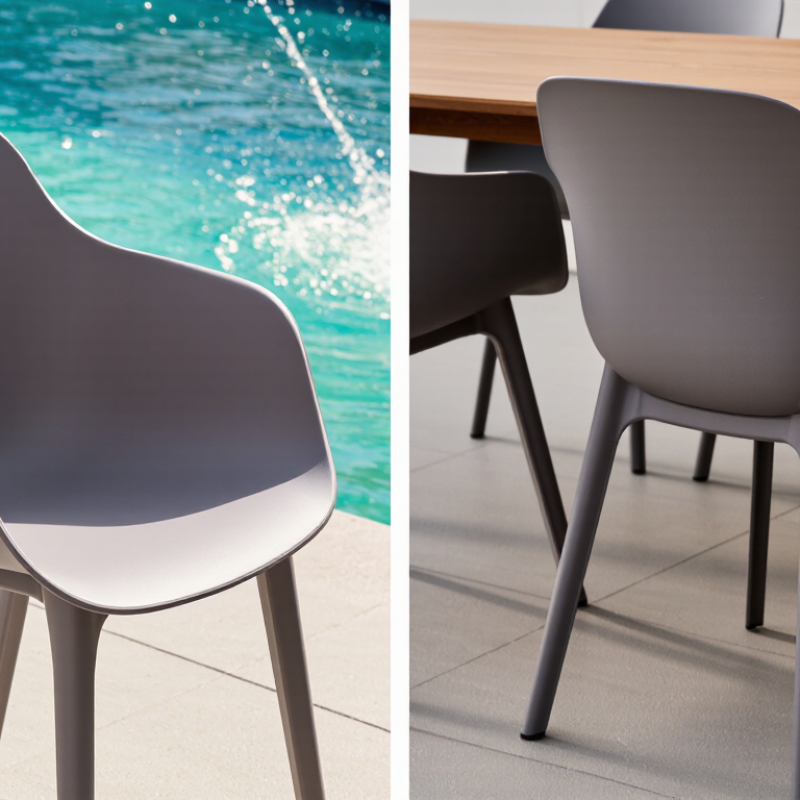
Before choosing a rotomolding chair, picture where it will actually be used. A chair for a sunny patio faces different demands from one used around a dining table or at a poolside gathering. Note how often it will be moved, how long people usually sit, and whether it will stay outdoors. Small details matter. Wet feet can leave a slick seat, while rough paving may expose an unstable base.
Match the shape to the task. For short conversations, a firm, simple seat may be enough. Longer meals call for supportive backrest angles and enough room to shift position. If several people will use the chair, test it with different body sizes when possible. Check the seat height against the table; even a few centimeters can make meals feel awkward. Some molded chairs look comfortable but offer limited lumbar support. Looks can mislead.
Think about care and storage, too. A lightweight chair is easier to stack and carry, but may move in strong wind. A heavier design can feel steadier, though less convenient to reposition. Check the underside for drainage openings if rain is common, and inspect the feet for contact with your floor. There is no perfect fit for every setting. I would rather choose for the daily routine than for an imagined occasion.
Rotomolded chairs are made by heating plastic inside a rotating mold. The process creates a thick, seamless shell with fewer joints to loosen over time. Polyethylene is common because it resists moisture and handles everyday knocks. Check the chair’s weight, wall thickness, and stated load capacity rather than judging by appearance alone. A glossy surface can look sturdy without telling you much.
Shape affects comfort more than many buyers expect. A deep seat may feel relaxed, but it can press behind the knees if it is too long. Curved backs support a casual posture, while straighter backs may suit dining or work settings. Look for rounded edges and a seat height that lets your feet rest on the floor. Try sitting for several minutes, if possible. A quick glance is not enough.
Style should fit the space and the way the chair will be used. A broad, low shape can work well on a patio, while a compact profile is easier to move between rooms. Some designs include drainage openings; these help after rain but may feel less comfortable without a cushion. Colors can fade with prolonged sun exposure, depending on the material and finish. I would not assume every outdoor-rated chair stays unchanged for years. Check care instructions, and consider where it will actually sit.
| Chair Type | Typical Material | Shape and Style | Key Advantages | Considerations | Best Suited For |
|---|---|---|---|---|---|
| Single-Piece Lounge Chair | Rotomolded polyethylene, commonly linear low-density polyethylene (LLDPE) | One-piece shell with a reclined seat and integrated arms | Seamless shell, rounded edges, and few places for dirt or water to collect | Check seat depth, back angle, and overall size; a one-piece shell may be bulky to move or store | Patios, poolside areas, casual indoor seating, and flexible-use spaces |
| Straight-Back Dining Chair | Rotomolded polyethylene; some designs combine the shell with metal or molded-plastic legs | Upright seat with a relatively compact footprint | Supports an upright sitting position and is easier to arrange around a table than a deep lounge chair | Verify seat height, leg construction, and stability on the intended floor surface | Outdoor dining, cafés, break areas, and multipurpose rooms |
| Stackable Side Chair | Rotomolded polyethylene, sometimes with a reinforced base or separate frame | Simple, space-efficient form designed to nest or stack when compatible | Can reduce storage space when the design is specifically made for stacking | Confirm the permitted stack height and whether stacking may scratch or deform the chairs | Events, classrooms, shared spaces, and seasonal outdoor seating |
| Rocking Chair | Rotomolded polyethylene shell with integrated or attached runners | Reclined seat with curved rocking runners | Provides a gentle rocking motion without requiring a separate upholstered frame | Check runner stability, floor compatibility, and clearance for the rocking arc | Porches, quiet outdoor areas, and relaxed seating spaces |
| Perforated or Open-Back Chair | Rotomolded polyethylene with openings formed into the shell | Ventilated back or seat; may have a modern or geometric appearance | Openings can improve airflow and allow water to drain, depending on their placement | Inspect opening edges and cleanability; large openings may be less comfortable for some users | Warm, humid, or splash-prone environments and contemporary outdoor settings |
| Weighted or Ballasted Chair | Rotomolded polyethylene shell with an internal cavity that may be filled or weighted | Often a substantial, sculptural form with a low center of gravity | Added weight can help the chair remain in position in exposed areas | Confirm whether ballast is included, how it is added, and whether the filled chair can be moved safely | Wind-exposed patios, public spaces, and locations where frequent movement is not required |
When choosing a rotomolding chair, test it with your body, not just your eyes. Sit for at least ten minutes and notice pressure behind your knees, lower-back support, and whether your feet rest flat. A wide, curved seat can feel welcoming, but excessive depth may press against the legs of a shorter user. Rotomolded plastic is durable, yet a firm seat can become uncomfortable during a long meal or event. Small details matter.
Check ergonomics alongside comfort. The U.S. Occupational Safety and Health Administration’s computer-workstation guidance recommends supporting the lower back and keeping feet flat or supported. These principles are useful for longer sitting, though a casual chair is not an office chair. Try the chair on the floor where it will be used; a slight wobble on tile may go unnoticed on carpet. I once underestimated that. It was annoying.
Weight capacity needs equally careful attention. ANSI/BIFMA X5.1, a professional performance and testing standard for general-purpose office chairs, provides a useful reference for durability testing, but it is not a universal rating for every molded chair. Ask for the manufacturer’s stated capacity and test documentation, then consider frequent use and movement, not only static sitting. Ratings and testing methods vary. If the chair will serve many users, choose a model with a clearly documented capacity and inspect its legs and joints regularly.
Compare key seat dimensions with common ergonomic reference ranges (inches). These are general guidelines, not universal requirements.
Look for a seat height that lets your feet rest flat, and a seat depth and width that fit your body without pressure behind the knees. Rotomolding chairs may have fixed dimensions, so check the product measurements before buying. Weight capacity varies by chair: confirm the manufacturer’s stated limit and choose a chair rated for your needs.
When choosing a rotomolding chair, check how its material handles daily use, not just how thick it looks. Rotomolded polyethylene can resist impacts and moisture, but quality varies. Ask whether the resin includes UV protection, especially if the chair will sit in direct sun. Without it, color may fade and the surface can weaken over time. A shaded patio still gets reflected sunlight. Small detail, real difference.
Weather resistance also depends on the whole chair. Inspect the base, fasteners, and any metal parts for corrosion-resistant finishes. If you live where temperatures swing sharply, ask how the chair performs in cold conditions; some plastics become less forgiving when chilled. No chair is indestructible. I would check the weight rating and feel for wobble on a level floor before buying, though showroom testing cannot predict years of use.
Maintenance should fit your routine. A soft cloth, water, and mild soap usually remove dust and food spills; abrasive pads can dull the finish. Rinse off salty spray or bird droppings rather than leaving them for weeks. Drainage matters, too: standing water around fittings can encourage grime or corrosion. If storage space is limited, consider whether the chair stacks safely. It is easy to overlook that until the season changes.
A molded chair can look simple, but its price depends on more than its shape. Compare chairs of similar size and intended use, then check what the price includes. A lower-cost option may have thinner walls, fewer color choices, or no protective feet. Ask for the product’s weight capacity and material details, especially if it will sit outdoors. Sun and rain can expose weaknesses over time.
Read the warranty before comparing deals. Check how long coverage lasts and whether it includes cracks, fading, or defects in workmanship. Some warranties exclude damage from rough handling or prolonged exposure, so the fine print matters. A clear written policy is more useful than a broad promise. Keep the receipt and care instructions. Small, but important.
Available options can affect both comfort and value. Look at seat height, back support, surface texture, and whether the chair stacks for storage. If possible, sit in a sample; a photo cannot show how a firm edge feels after an hour. Request quotes for the same quantity and delivery terms. Shipping can change the apparent bargain. I have found comparisons get messy when specifications are vague, and I sometimes miss a detail on the first pass. That is a reason to ask twice, not to assume.