
Contract Manufacturing for Injection Molded Plastic Products in North America
(800) 824.0607

RFQ / CONTACT
Contract Manufacturing for Injection Molded Plastic Products in North America | (800) 824.0607

How to Choose the Right Hose Combination?

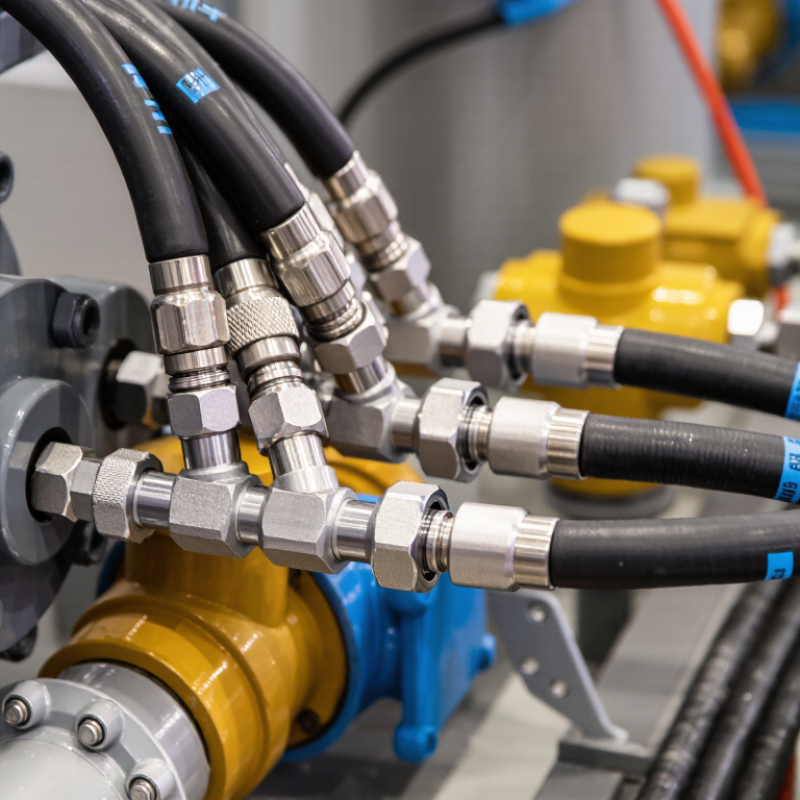
A hose can look correct on a workbench and still fail once pressure, heat, movement, and fluid chemistry combine. Choosing the right Hose Combination means matching the hose, fittings, and assembly method to the actual operating conditions—not just the connection size. That distinction matters on a hydraulic line vibrating beside a hot pump, or a chemical-transfer hose exposed to cleaning agents. Small mismatches can shorten service life or create a serious leak.

Industry references help make the decision more disciplined. SAE J517 sets performance requirements for hydraulic hose types, while ISO 4413 addresses safety principles for hydraulic fluid-power systems. NAHAD’s Hose Assembly Guidelines also provide practical guidance on assembly, inspection, and maintenance. These sources offer useful benchmarks, but they do not select a complete hose assembly for every installation. Site conditions still matter. A hose rated for the system’s working pressure may be unsuitable if pressure spikes, temperature, bend radius, or fluid compatibility are overlooked. It happens.

Before comparing products, gather the system’s working and peak pressure, fluid type, temperature range, routing, and movement. Check the fitting style and dimensions, too. A hose that is forced around a sharp frame edge may kink, even when every component is correctly rated. That is easy to miss during a quick replacement. This guide explains how to weigh these factors, verify specifications, and identify when a supplier or qualified hose specialist should review the selection. No single rule covers every setup; careful measurement and honest attention to uncertainty are part of choosing well.
How to Choose the Right Hose Combination?

Identify the Application and Operating Environment

Choosing a hose combination starts with the job, not the catalog. What fluid will pass through it, and will it be hot, abrasive, or chemically reactive? Record the normal pressure and any brief spikes during startup or valve changes. A system that pulses can stress a hose differently from one with steady flow. Check the required flow rate, too; a hose that is too narrow may restrict performance. Small details matter.

Then look closely at the operating environment. Measure the route, including tight bends and moving sections, and compare it with the hose’s minimum bend radius. Measure the route. Note nearby heat sources, sharp edges, vibration, sunlight, and exposure to oil or cleaning agents. Outdoor sunlight and ozone can age some hose materials, while abrasion may wear through an outer cover. The fittings must suit both the hose and the working conditions. A neat specification sheet can still miss the awkward bend behind a machine. It is easy to overlook that.

Use these observations to narrow down compatible hose materials, reinforcement, and end connections. Confirm ratings against the actual operating conditions, with suitable allowance for temperature and pressure variation. If compatibility is uncertain, consult current technical data or a qualified hose specialist rather than guessing. 现场 checks help, but they are not a substitute for verified specifications.

Determine the Fluid, Temperature, and Pressure Requirements

Choosing a hose starts with the fluid, not the fitting. Check the fluid’s concentration, additives, and temperature range against the hose’s compatibility chart. A line carrying hot oil may need a different inner tube than one carrying water. Also account for cleaning fluids and brief temperature spikes. Small details matter.

Pressure needs a real operating profile. Record normal, peak, and pulsating pressure, including surges when valves close. ISO 18752:2017 classifies hydraulic hoses by pressure and impulse performance, with test categories reaching one million cycles. That is a useful benchmark, not a promise of service life: routing, vibration, and heat can shorten it. ISO 7751:2016 also sets burst-to-working-pressure ratios for hose assemblies. Never treat burst pressure as allowable operating pressure. It is a safety margin.

Measure the actual hose path, including tight bends near fittings. A hose that looks long enough on a bench may pull taut when equipment moves. I have seen selection sheets miss this detail; it is easy to overlook. Keep fluid, temperature, and pressure data together, then verify them against the hose manufacturer’s technical documentation. When a duty cycle is uncertain, pause and get an application review before installation.

How to Choose the Right Hose Combination? - Determine the Fluid, Temperature, and Pressure Requirements

Service Example Fluid Hose Construction to Consider Temperature Considerations Pressure Considerations Compatibility and Selection Notes
Hydraulic power systems Mineral-oil hydraulic fluid Oil-compatible synthetic-rubber tube with textile or steel-wire reinforcement Check the hose rating against both the fluid temperature and the surrounding environment; heat can reduce pressure capacity. Choose a working-pressure rating above the maximum operating pressure, including pressure surges. Hydraulic hoses are available in a wide range of pressure classes. Confirm compatibility with the exact fluid formulation, fittings, and applicable hose standard. Do not use a general-purpose water hose.
Compressed-air tools Compressed air, sometimes containing oil or moisture Reinforced rubber or thermoplastic air hose, selected for the compressor system Account for hot compressor discharge air and ambient heat; use a hose specifically rated for the service temperature. Use the hose's stated working-pressure rating, not its burst pressure, and allow for compressor pressure cycling and surges. Check whether the air contains oil, and secure connections to prevent whip hazards. Never use a hose with a pressure rating below the system requirement.
Water transfer Fresh water or process water EPDM- or PVC-based hose, depending on temperature, flexibility, and water quality Verify the product's temperature limits, especially for hot water; ordinary water hoses may not be suitable for hot-water service. Select for the maximum line pressure and any pump-start or valve-closing surges. For drinking water, use a hose certified for potable-water contact in the intended jurisdiction. Check compatibility with cleaning agents and additives.
Fuel transfer Gasoline, diesel, or another specified fuel Fuel-rated hose with a tube and cover formulated for the particular fuel; reinforced construction where required Consider fluid temperature, engine-compartment heat, and outdoor exposure. Fuel blends can affect material compatibility. Match the pressure rating to the delivery or return circuit; do not assume a low-pressure fuel hose is suitable for fuel injection. Check compatibility with the exact fuel blend, including ethanol content where relevant. Use fittings and clamps intended for fuel service.
Steam cleaning or steam transfer Saturated steam or hot condensate Purpose-built steam hose with materials and reinforcement rated for steam service Steam temperature is linked to pressure; select a hose rated for the actual operating conditions and avoid exceeding its temperature limit. Use the steam hose's specific working-pressure rating at the operating temperature. Do not substitute a standard water hose. Steam service is demanding and can accelerate hose degradation. Inspect regularly and follow the hose maker's installation and replacement guidance.
Chemical transfer A specified acid, alkali, solvent, or process chemical Chemically compatible liner, such as a selected elastomer or fluoropolymer, with suitable reinforcement and cover Confirm compatibility at the actual concentration and temperature; chemical resistance can change as temperature rises. Check pressure and vacuum capability separately, as well as any transient loads during filling, draining, or cleaning. Verify the exact chemical name, concentration, temperature, exposure duration, and permeation requirements against a compatibility guide or technical supplier.
Food or beverage transfer Water, dairy, beverages, oils, or food ingredients Food-contact hose with a liner suited to the product and the cleaning process Include product temperature and cleaning or sanitizing temperatures in the selection. Select for operating pressure, cleaning cycles, and any suction or vacuum conditions. Confirm food-contact certification for the intended region and application. Ensure the hose can be cleaned without damaging its liner.

Selection note: Hose pressure, temperature, vacuum, and chemical-compatibility limits depend on the specific hose assembly, fittings, and operating conditions. Check the product documentation and applicable standards before installation.

Match Hose Materials to the Fluid and Conditions

Choosing the right hose combination starts with identifying the fluid and every condition it will encounter. Water, oil, cleaning solutions, and hot liquids can affect hose liners differently. A material that performs well with water may swell, soften, or crack when exposed to another fluid. Check compatibility data for the exact fluid, concentration, and temperature rather than relying on a broad material label.

Tips: Check the hose liner, reinforcement, cover, fittings, and seals as one system. Compare the working pressure with operating temperature, pressure surges, and any vacuum exposure. Consider sunlight, abrasion, repeated bending, and the hose’s minimum bend radius. A tight bend behind a machine can quietly shorten service life. That detail matters.

It is easy to focus on the hose wall and overlook the connections. Yet a suitable liner paired with incompatible seals can still cause leakage. Review the assembly specifications, and ask a qualified supplier or engineer when the fluid mixture or operating cycle is uncertain. Inspect for bulges, stiffness, surface cracks, or seepage, then reassess the selection if conditions change. There is rarely one perfect choice; a little uncertainty deserves a closer check.

Select the Hose Diameter, Length, and Fittings

Choosing a hose starts with flow, not guesswork. Match the inside diameter to the required flow rate and keep fluid velocity within the equipment’s recommended range. A narrow hose can increase pressure loss and heat; an oversized one adds weight and may resist tight routing. The U.S. Department of Energy’s Improving Compressed Air System Performance guide recommends keeping pressure drop from the receiver to the point of use below 10% of compressor discharge pressure. That figure is a useful check for compressed-air systems, not a universal limit for every fluid. Measure the actual route, including bends and moving sections. Leave room for motion. I still recheck this measurement after installation; routing often looks different on the machine.

Choose a length that reaches without stretching, sharp bends, or rubbing against edges. SAE J1273, a recommended practice for hydraulic hose assemblies, advises allowing for hose movement and dimensional change under pressure. Too much slack can also snag or kink. Check the minimum bend radius specified for the hose, especially near the fitting. Fittings must match the hose construction, thread type, sealing method, and system pressure; similar-looking threads do not guarantee a reliable seal. Verify these details against the equipment documentation and applicable assembly standards. It is easy to overlook the seal face. A careful fit check, followed by a leak inspection at operating pressure, can catch problems before routine use.

Check Compatibility, Safety Ratings, and Installation Needs

How to Choose the Right Hose Combination?

Check the fluid, temperature, pressure, and fittings as one system. A hose that handles the fluid may still fail when heat, cleaning chemicals, or outdoor exposure are added. ISO 18752:2014 classifies hydraulic hoses across rated pressure levels from 5 to 42 MPa. Match the hose’s working-pressure rating to the system, including pressure surges—not just the normal gauge reading. The full assembly is only as capable as its lowest-rated component. Small details matter.

Check that the hose and fittings are designed to work together, and follow the assembly maker’s specified fitting and installation method. During installation, keep the bend radius within the hose specification and prevent twisting, crushing, or rubbing against sharp edges. A chart can look reassuring; real routing may still pinch the hose near a clamp. Allow room for movement and inspect the finished run for leaks or abrasion. I still double-check the route under operating conditions, because a tidy static installation can behave differently once equipment moves. NAHAD’s Hose Safety Institute guidance also emphasizes selecting and maintaining hose assemblies for their intended service. Verify ratings against the actual application, and document the chosen components for future inspection.

How to Choose the Right Hose Combination

Check fluid and temperature compatibility, pressure ratings, and installation requirements.

Example pressure check: the hose assembly’s working-pressure rating should meet or exceed the system’s maximum pressure, including foreseeable surges. Confirm the hose, fittings, and conveyed fluid are compatible at the operating temperature. During installation, follow the specified minimum bend radius and avoid twisting, kinking, or abrasion. Example values only; verify requirements against the equipment and hose assembly specifications.