What Is a Multi Function Machine and How Does It Work?
A Multi Function Machine combines several operations within one equipment platform, helping users save floor space, setup time, and maintenance effort. Depending on its design, it may cut, drill, grind, polish, mix, print, or process materials through interchangeable tools and controlled settings. A workshop operator might switch from drilling a metal plate to deburring its edges without moving the workpiece to another station. That convenience can improve workflow, but it does not remove the need for skill.
The machine works through coordinated mechanical, electrical, and software systems. A motor supplies power, while gears, belts, hydraulic parts, or direct-drive components transfer motion. Sensors monitor position, pressure, temperature, or speed. The control panel then adjusts the selected function according to programmed instructions. Operators still need to install the correct attachment, secure the material, and verify operating limits. Small errors matter.
Real-world performance depends on machine quality, material type, operator training, and maintenance records. The label “multi function” can sound more capable than the equipment actually is. Some models perform many tasks adequately but none exceptionally well. Others require frequent tool changes, which may reduce expected productivity. This guide examines common machine structures, operating principles, practical applications, safety considerations, and purchasing factors. It also questions where versatility becomes a compromise, because a flexible machine is not automatically the best machine. Reliable decisions should come from verified specifications, manufacturer documentation, hands-on testing, and realistic production needs.
Definition and Core Purpose of a Multifunction Machine
A multifunction machine combines several operations within one controlled system. Its core purpose is to reduce equipment changes, save floor space, and keep production steps connected. Depending on its design, it may cut, drill, shape, polish, assemble, or inspect materials. The machine does not perform every task automatically. It needs suitable tools, programmed settings, and properly trained operators.
In practice, a multifunction machine works through coordinated mechanical and digital components. A controller directs motors, tool heads, clamps, and sensors. The sensors check position, pressure, temperature, or material movement. When a reading differs from the programmed range, the system can pause or request an adjustment. This matters when a workpiece must move between operations without losing alignment. Even a small positioning error can affect the final fit.
The term is not perfectly standardized across industries. One machine may combine only two processes, while another may manage an entire work sequence. Buyers should examine its operating range, changeover time, safety controls, and maintenance requirements. I have found that advertised flexibility can hide practical limits. A machine may handle many functions, but not all functions equally well. Operators still need to inspect finished parts, clean tool areas, and verify calibration. Automation reduces repetitive handling. It does not remove professional judgment.
What Is a Multifunction Machine and How Does It Work?
A multifunction machine combines several document-processing functions in one device, commonly including printing, copying, scanning, and sometimes faxing. The chart compares the dimensions of standard paper sizes frequently handled by multifunction machines.
Paper dimensions are based on internationally recognized ISO A-series sizes and commonly used North American paper standards. Multifunction machines use these standardized dimensions to automatically select paper trays, scale documents, and produce accurate copies or prints.
Key Components and Integrated Functions
What Is a Multi Function Machine and How Does It Work?
Key Components and Integrated Functions
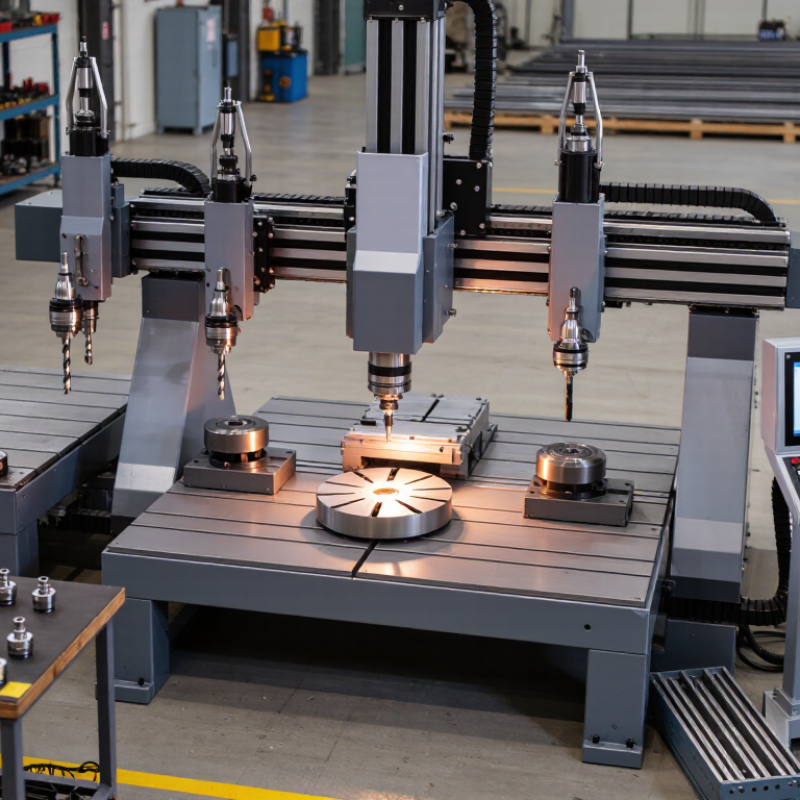
A multi function machine combines several operations inside one coordinated system. It may cut, shape, drill, polish, or inspect materials. Instead of moving a workpiece between separate stations, operators use one integrated platform. This can reduce handling time and improve production consistency.
Its main components include a rigid frame, drive motors, control software, sensors, and interchangeable tools. The frame limits vibration during operation. Motors provide controlled movement along several axes. Sensors monitor position, pressure, temperature, and tool condition. The control unit interprets programmed instructions and adjusts movement in real time. Safety guards and emergency controls protect workers near moving parts.
The integration is practical, but not magical. A single machine still depends on accurate setup and regular maintenance. During equipment checks, I have found that small alignment errors can affect every function. A clean sensor may improve results more than a faster motor. That detail is easy to overlook.
Operators usually load a digital program, secure the material, and select the required tools. The machine then follows a defined sequence, while sensors compare actual performance with expected values. If resistance increases, the system may slow the tool or pause the cycle. However, automated decisions are not always perfect. Material differences, worn tools, and incorrect settings can create unexpected results. Skilled supervision remains essential, especially when precision, surface quality, or repeatability matters.
Common Types and Their Main Applications
A multi-function machine combines several tasks in one working unit. Its value depends on the application, not its size. Office multi-function printers can print, scan, copy, and sometimes send digital files. They support document-heavy workplaces, clinics, schools, and small warehouses. Industrial multi-function machines often combine milling, turning, drilling, or cutting. They reduce repeated setup work and improve dimensional consistency.
Common types serve very different needs. CNC machining centers shape metal parts for automotive, aerospace, medical, and energy equipment. Automated packaging machines can fill, seal, label, and inspect products on one line. In farming, multi-function equipment may cultivate soil, plant seeds, and apply materials with fewer passes. The International Federation of Robotics reported 541,302 industrial robot installations worldwide in 2023. That figure shows how strongly manufacturers are adopting integrated automation. Still, automation does not guarantee better output. Poor programming can repeat mistakes faster.
Tips: Match the machine to the workflow. Check cycle time, material limits, maintenance access, and operator training. Leave space around service panels. Small details matter.
Reports from MarketsandMarkets and Grand View Research continue to identify automation, labor shortages, and flexible production as major growth drivers. However, market forecasts vary widely. Buyers should question impressive percentages and inspect real operating data. A machine that saves floor space may increase cleaning, software, or calibration demands. That trade-off is easy to miss during a sales demonstration.