Top Sodium Hypochlorite Generator Manufacturers in China
Choosing among Top Sodium Hypochlorite Generator Manufacturers in China starts with a practical question: what does the site need? A Sodium Hypochlorite Generator produces disinfectant on site from salt, water, and electricity, but equipment details shape daily performance. Capacity, salt purity, cell design, power use, ventilation, and control features deserve close attention. Small differences matter. That sounds simple.
This overview introduces Chinese manufacturers and the criteria buyers can use to assess them. Product pages may look similar, yet commissioning support, spare-part availability, documentation, and operator training can vary. Ask for recent project references and test data relevant to your intended operating conditions. Check how the supplier explains output concentration, maintenance intervals, and safeguards against foreseeable operating problems. Clear answers are useful. Vague claims are not.
A supplier’s experience should be judged through evidence, not polished photographs alone. Compare technical proposals against site requirements, including feedwater quality, expected demand, and available service resources. Where possible, request a factory acceptance test plan and a written scope of after-sales support. No single manufacturer is right for every facility. Even a well-built system may need adjustments after installation, and that possibility should be discussed openly. The following manufacturer overview is intended as a starting point for careful research, not a substitute for technical review or direct supplier verification.
Overview of Sodium Hypochlorite Generators in China
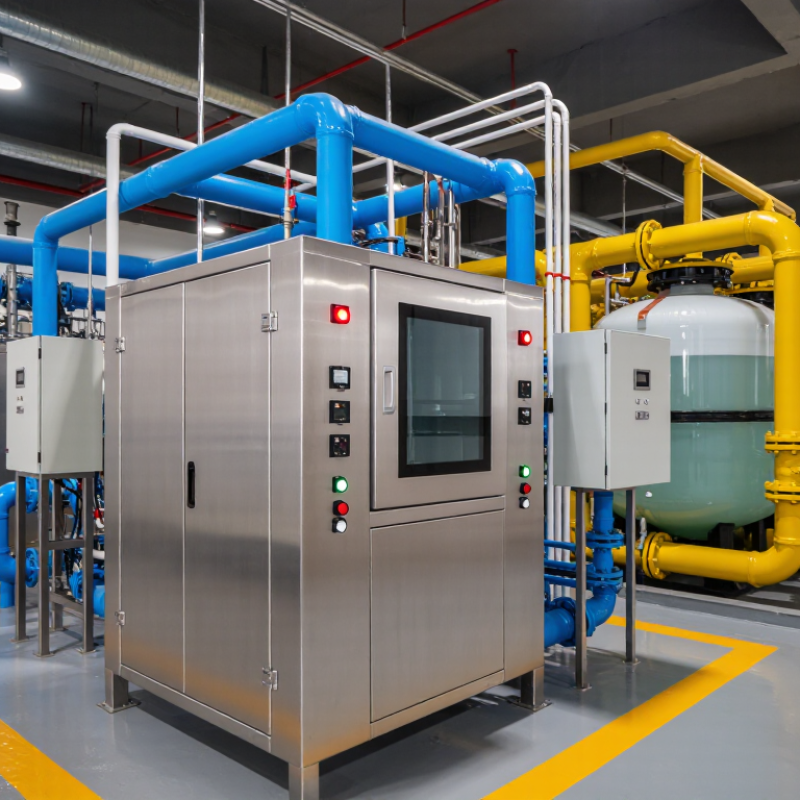
Sodium hypochlorite generators produce a dilute disinfectant solution on site, typically by passing an electric current through prepared salt water. In China, these systems are used in municipal water treatment, wastewater facilities, and some industrial operations. A typical package includes a brine tank, electrolytic cell, rectifier, storage tank, and dosing equipment. Details matter. Water quality, salt purity, temperature, and electrode condition can all affect output and operating stability. The generated solution is not identical in concentration across systems, so operators need clear measurement and dosing procedures.
Chinese manufacturers offer equipment in different capacities, from compact units for smaller facilities to larger systems designed for continuous operation. When assessing a supplier, buyers can examine rated output, power use, material compatibility, control functions, and access to maintenance support. Ask how the unit handles alarms, cell cleaning, and routine performance checks. Specifications can look reassuring on paper, yet site conditions often expose gaps. Not every installation has the same feedwater or staffing, and that can change the practical workload. A careful review of operating records and service requirements gives a more realistic picture than capacity figures alone.
Top Sodium Hypochlorite Generator Manufacturers in China - Overview of Sodium Hypochlorite Generators in China
This overview compares common sodium hypochlorite generator characteristics rather than individual manufacturers or brands. Values and configurations vary by system design, feedwater quality, operating conditions, and applicable standards.
| Dimension | Typical Description | Practical Considerations |
| Generation method | On-site electrolysis of a salt solution produces dilute sodium hypochlorite. | Systems are commonly selected when producing disinfectant at the point of use is preferred. |
| Main feed materials | Salt, water, and electricity. | Salt and water quality requirements are equipment-specific; impurities can affect cell operation and maintenance. |
| Product strength | Many on-site systems produce low-strength solution, commonly around 0.4–0.8% available chlorine by weight. | The actual output depends on the system and operating conditions. Confirm the specified concentration and measurement basis before comparing equipment. |
| Electrolysis cell configuration | Cell designs may use different electrode and electrical arrangements, including monopolar or bipolar configurations. | Configuration affects system design and operation; compare documented performance and service requirements rather than configuration labels alone. |
| By-product management | Hydrogen is produced during electrolysis. | Adequate ventilation and safe hydrogen handling are essential parts of system design and installation. |
| Common applications | Water and wastewater disinfection, and other site-specific chlorination duties. | Confirm the required dose, contact time, water chemistry, and applicable local regulations for each application. |
| Capacity selection | Available production capacities depend on the equipment model and system configuration. | Size the unit using the site’s peak demand, operating schedule, storage arrangement, and required available-chlorine output. |
| Key comparison criteria | Rated output, product concentration, feedwater requirements, controls, safety provisions, and maintenance needs. | Request comparable technical data, installation requirements, operating instructions, and after-sales service details. |
How Sodium Hypochlorite Generators Work
How Sodium Hypochlorite Generators Work
A sodium hypochlorite generator produces disinfectant on site through electrolysis of brine. Salt dissolves in softened water, then a direct electrical current passes through an electrolytic cell. At the anode, chloride ions form chlorine; at the cathode, water forms hydrogen and hydroxide ions. These products react to create sodium hypochlorite solution. The chemistry is tidy. The operating reality is not.
Cell performance depends on brine concentration, water hardness, temperature, and electrical current. Hardness can encourage scale on electrodes, while poor ventilation can allow hydrogen to accumulate. Operators therefore monitor conductivity, cell voltage, solution strength, and ventilation—not just the control panel. The World Health Organization’s Guidelines for Drinking-water Quality, 4th edition with 2022 addenda, cite a chlorine residual of 0.2 mg/L at the point of delivery; they also describe 0.5 mg/L after 30 minutes’ contact at pH below 8 as a condition for effective disinfection. A generator makes the solution, but testing and contact time still determine treatment performance. That distinction is easy to overlook.
Key Criteria for Evaluating Chinese Manufacturers
Top Sodium Hypochlorite Generator Manufacturers in China
Key Criteria for Evaluating Chinese Manufacturers
Choosing a manufacturer takes more than comparing quoted prices. Check whether the generator’s rated output, salt consumption, and power use match your daily demand. Ask for operating data at defined water quality and temperature conditions. A figure without test conditions is hard to compare.
Request drawings, material specifications, and details about cell life and replacement parts. These small details matter.
Tips: Ask for a live or recorded acceptance test. Confirm what the test measures, such as available chlorine output and operating stability. Request references from facilities with similar capacity and water conditions. Then speak directly with their operators. A polished brochure is not proof.
Also assess engineering support, delivery scope, and documentation. Clarify who handles installation guidance, commissioning, and operator training. Check that safety instructions address ventilation, electrical isolation, chemical handling, and routine inspections.
Compare warranty terms in writing, including exclusions and response times. If a supplier cannot explain how performance changes as electrodes age, pause and ask again. The answer may still be imperfect; real equipment has limits. A careful buyer records assumptions, checks claims against test evidence, and leaves room for maintenance costs.
Profiles of Leading Sodium Hypochlorite Generator Manufacturers
Chinese sodium hypochlorite generator manufacturers often differ less in headline capacity than in how they handle daily operating conditions. A useful profile should examine electrode materials, cell access, salt dosing, and control-panel clarity.
Can an operator spot low brine flow quickly? That detail matters. The World Health Organization’s Guidelines for Drinking-water Quality gives a practical reference: treated water should generally retain at least 0.2 mg/L free chlorine at delivery.
This makes stable output and clear residual-monitoring procedures important evaluation points.
One manufacturer profile may focus on compact systems for smaller water plants, with simple controls and accessible maintenance points. Another may emphasize higher-output equipment, automated dilution, and integration with plant monitoring systems.
Ask for operating records, not just a capacity chart. Check how the supplier documents gas management, ventilation needs, and electrode replacement intervals. These details can reveal whether a design suits the actual site, rather than only a showroom test.
Service capability deserves equal attention. Review commissioning support, spare-parts availability, and the clarity of maintenance instructions. Request a sample log showing cell voltage, brine concentration, and production output over time. The data may be incomplete; that itself is worth discussing. A polished brochure is useful, but field records and operator feedback provide stronger evidence of reliability.
Applications and Considerations for Choosing a Supplier
Sodium hypochlorite generators are used for on-site disinfection in municipal water systems, cooling towers, and some wastewater facilities. Producing the solution near its point of use can reduce storage needs and simplify routine dosing. Actual performance depends on water quality, operating hours, and the required chlorine output. A site assessment matters.
When comparing suppliers in China, check whether the proposed capacity matches your peak demand, not just average use. Ask for documented output tests, electrode service intervals, compatible feedwater specifications, and clear operating instructions. Request details on cell materials, corrosion protection, alarms, and control options. These affect maintenance in humid plant rooms. Also confirm commissioning support, spare-parts availability, and response times across your region. A low purchase price can look attractive; it may not include practical after-sales support.
Tips: Share a recent water analysis and your daily demand profile before requesting a quotation. Ask for a performance test report and a list of routine consumables. If possible, speak with an operator at a comparable installation. Small details can be missed during procurement, and I would verify critical assumptions in writing.
Top Sodium Hypochlorite Generator Manufacturers in China: Applications and Supplier Selection
Use generator current as a preliminary capacity-sizing reference when evaluating suppliers for water treatment, disinfection, and other sodium hypochlorite applications.
How to read the chart: The bars show the theoretical available chlorine equivalent produced by electrolysis at each current, calculated using Faraday’s law. Actual output is lower and depends on current efficiency and operating conditions.
When comparing suppliers, confirm guaranteed available chlorine output at your operating conditions, along with salt and energy consumption, materials compatibility, safety features, and maintenance requirements.