What Are the Top Types of Automatic Checkweighers?
Choosing an Automatic Checkweigher starts with the product and the production line, not the machine brochure. A light snack pouch moving across a fast conveyor has different needs from a glass jar that pauses for filling and inspection. The top types generally include in-motion checkweighers, static or catchweighers, combination systems that pair weighing with metal detection, and multi-lane units for parallel production. Each solves a different problem. None is a universal answer.
Quality-management expert W. Edwards Deming is widely quoted as saying, “Quality comes not from inspection, but from improvement of the production process.” His point matters here: a checkweigher can flag weight variation, but it cannot fix unstable filling, product buildup, or a poorly maintained conveyor. In practice, teams should compare line speed, package size, weighing range, available floor space, and data needs before selecting a type. Small details count. A vibrating belt, for example, can affect readings on delicate products. So can a rushed changeover.
This guide examines the main Automatic Checkweigher types and where each fits. It also considers trade-offs in accuracy, throughput, integration, and upkeep. Some categories overlap, and manufacturers may use different names for similar designs. That can make comparisons less tidy than expected. A careful choice starts with real product trials and clear acceptance criteria—not assumptions based on a catalog.
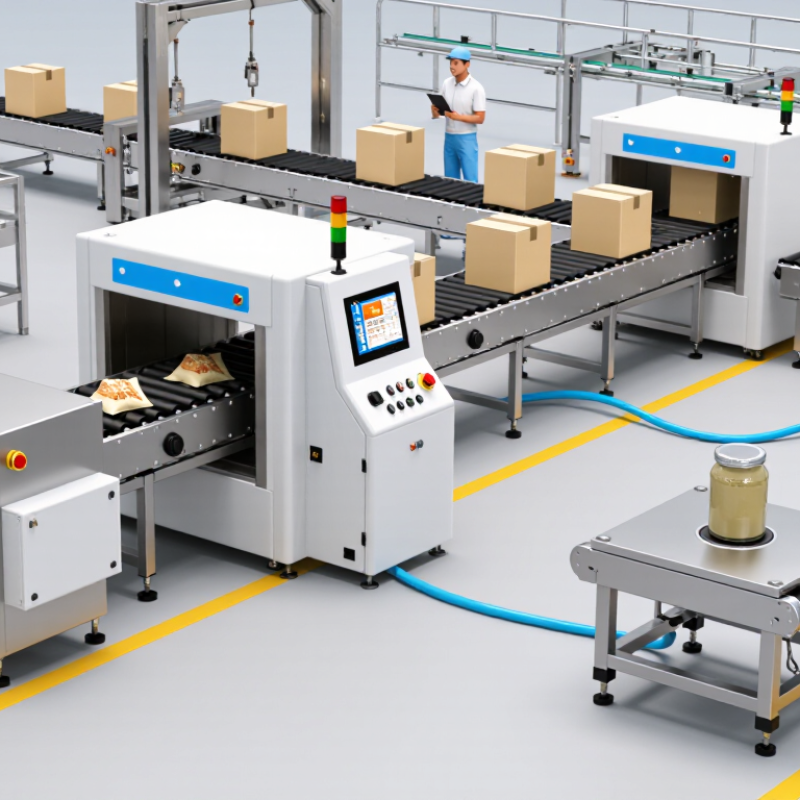
How Automatic Checkweighers Classify Products by Weight
Automatic checkweighers classify products by comparing each moving item with a preset weight range. A conveyor carries a package across a weighing section, where a load cell records its weight. The system accounts for the package’s movement and sends the result to a controller. This happens quickly, but accuracy still depends on stable product spacing and correct setup.
A pass-or-reject checkweigher sorts items into two groups: within range or outside it. A reject device, such as a pusher or air jet, can remove an out-of-range package from the belt. Multi-grade systems use several weight bands instead. They may route light, acceptable, and heavy products to separate lanes or bins. These systems are useful when products need different portions, not just a simple pass or fail.
The categories are not always perfectly clear. Some machines combine weight checking with grading, while others are designed for compact lines or heavier loads. Operators set target limits, then verify readings with test weights and real products. A poorly centered package or a sudden belt-speed change can affect results. Small details matter. Check the product flow, too. A checkweigher can identify weight differences, but it cannot correct an upstream filling problem.
In-Motion Checkweighers for Continuous Production Lines
In-Motion Checkweighers for Continuous Production Lines
In-motion checkweighers weigh products as they travel along a conveyor, without stopping the line. They suit operations that need frequent weight checks at steady production speeds. A typical system uses a load cell, conveyor belt, and reject device. The load cell records each item’s weight; software compares it with preset limits. Items outside those limits can be diverted for review. Small errors matter. Vibration, uneven spacing, and product residue on the belt can all affect readings. A fast line is not automatically an accurate one.
The International Federation of Robotics’ World Robotics 2024 report recorded 541,302 industrial robot installations worldwide in 2023. That figure reflects wider investment in factory automation, not checkweigher sales. Still, it highlights why dependable inspection data matters on increasingly automated lines. Choose equipment based on product size, line speed, and the required weighing accuracy. Test it with real products and typical line conditions; ideal trial samples can hide problems.
Tips: Keep the conveyor level and clean, and leave consistent gaps between products. Verify performance with test weights and routine checks. Record rejects and weight trends. If results drift, check for vibration or buildup before changing settings.
Multi-Lane and Combination Checkweighers for Specialized Lines
Multi-lane checkweighers inspect products moving through several parallel lanes, such as small cups, sachets, or snack packs. Each lane needs a stable product gap and reliable tracking. If packs touch or arrive unevenly, readings and reject timing can suffer. Lane-by-lane monitoring helps operators spot a drifting feed before it affects an entire run. Small details matter.
Combination checkweighers pair weighing with another inspection task, often metal detection, on a shared line. This can save floor space and reduce transfers between machines. A pack travels across the weigh section, passes the detector, and receives a reject decision if either system flags it. The sequence must be configured carefully: a reject arm needs enough time to remove the correct pack without disturbing its neighbors.
These systems suit lines with limited space, multiple formats, or tightly coordinated inspection steps. Before choosing one, teams should test actual products at expected line speeds. Flexible pouches may flutter; wet or sticky products can affect handling. Specifications alone do not reveal every production issue. A multi-lane frame can also make changeovers more involved, especially when lane widths differ. That trade-off deserves a real trial.
How to Select the Right Type of Automatic Checkweigher
What Are the Top Types of Automatic Checkweighers?
How to Select the Right Type of Automatic Checkweigher
Choosing a checkweigher starts with the product and the line, not the machine’s headline speed. In-motion systems weigh items on a moving conveyor, making them suitable for steady, high-volume production. For fragile or unusually shaped products, ask how belt transfers and guides affect movement. A small wobble can distort readings. It happens.
Match the scale’s capacity and resolution to your package range. A system handling light pouches may not suit heavy cartons, even if both fit the conveyor. Check the target throughput using real products, including awkward packs and normal gaps between items. Compare accuracy under those conditions, not just in a demonstration. Static weighing may suit slower operations or spot checks, but it usually interrupts product flow.
Consider what must happen when a pack falls outside the set weight range. Options include a pusher, air blast, or drop-down belt; each needs room and reliable timing. Confirm that the reject device handles your package without damaging it, and that rejected items can be clearly identified. Also review washdown exposure, available floor space, and how operators will change formats. These details are easy to overlook. I would test the proposed setup with representative products before purchase; specifications alone rarely reveal every line-specific issue.
What Are the Top Types of Automatic Checkweighers?
Indicative throughput ranges by checkweigher type
How to select: Match the checkweigher to your product’s weight and dimensions, required line speed, weighing tolerance, washdown conditions, and available space. Multi-lane throughput is the combined rate across lanes.
The ranges are indicative planning examples, not guaranteed specifications. Actual throughput depends on the product, accuracy requirements, conveyor setup, and reject system; confirm performance with a supplier using your product.