Top 10 Tips for Choosing Auto Fuel Line Fittings?
Choosing the right Auto Fuel Line Fittings is crucial for your vehicle's performance and safety. With so many options available, it can feel overwhelming. The wrong choice can lead to leaks, fuel starvation, or even engine damage. Understanding the types of fittings available and their applications can help streamline your selection process.
Consider factors such as material, size, and compatibility with your vehicle. For example, aluminum is lightweight but may not withstand high pressures as well as stainless steel. Furthermore, it's essential to ensure that fittings are compatible with the fuel type you use. Failure to do so may result in degradation over time.
Many people overlook these details, which can lead to costly repairs. It's important to do your research and learn from others' experiences. Consulting with professionals or reviewing product specifications can enhance your knowledge. Relying on expert insights ensures that you are making informed decisions.
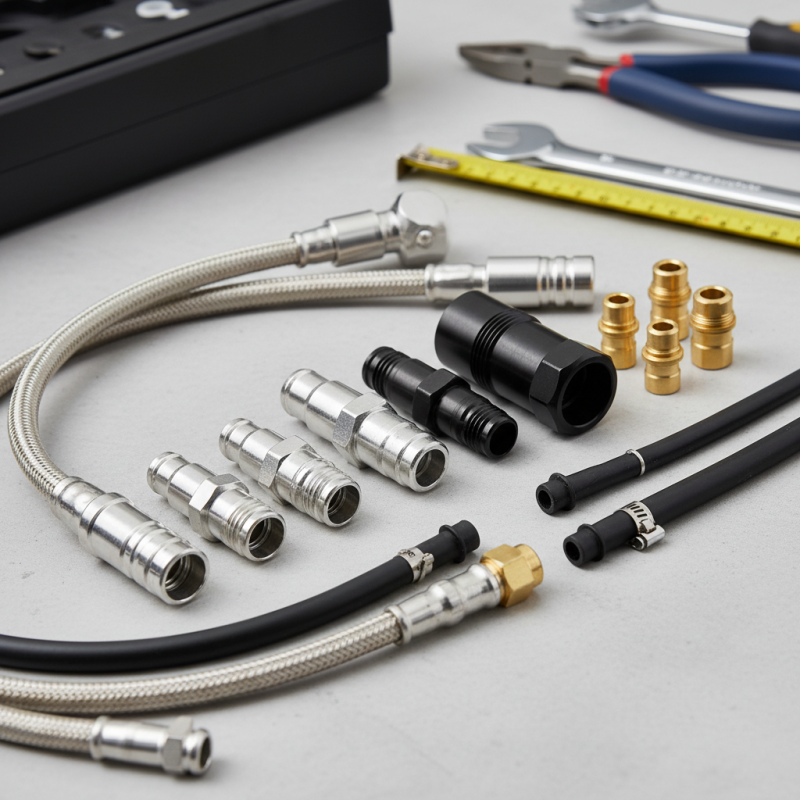
Understanding Different Types of Auto Fuel Line Fittings
When selecting auto fuel line fittings, it's essential to understand the different types available. Fuel line fittings are critical to maintaining a vehicle's fuel system. They come in various materials like brass, stainless steel, and plastic. Each material has unique properties that suit different applications. Brass is durable and corrosion-resistant, while stainless steel offers exceptional strength. However, plastic could be more cost-effective for certain lower-pressure environments.
Compatibility is another crucial factor. Different fuel systems may require specific fitting designs. Common designs include threaded, barbed, and quick disconnect fittings. Threaded fittings provide a secure connection, while barbed fittings are often easier to install. Quick disconnect fittings allow for easy maintenance but may not suit all vehicles. Misunderstanding these types could lead to fuel leaks or system failures.
Don't overlook the importance of size and pressure ratings. Fittings must match the size of the fuel lines to ensure proper flow. Fittings that are too small can restrict fuel flow. Conversely, oversized fittings may not create a tight seal. Always check manufacturer specifications during selection. Mistakes in choosing fittings can lead to expensive repairs down the line.
Evaluating Material Durability for Fuel Line Applications
When evaluating material durability for fuel line fittings, consider the conditions they will face. Fuel lines are exposed to a range of temperatures and pressure levels. The right material can prevent leaks and ensure longevity. Steel and aluminum are popular choices. They offer strength and resistance to corrosion. However, they can add weight to the system.
Composite materials are becoming more common. They are lighter and resist deterioration better in harsh environments. These materials can withstand extreme temperatures. However, there may be concerns about their long-term performance. Not all composites are created equal, so research is essential.
Understanding the chemical compatibility of the materials is crucial. Different fuels can react with various substances, potentially compromising safety. Regular inspections can help identify issues early. While some materials may seem ideal, their real-world performance can differ. Every choice should be based on thorough evaluation and real-world testing.
Top 10 Tips for Choosing Auto Fuel Line Fittings
| Tip Number | Tip | Material Considerations | Durability Rating |
| 1 | Choose the Right Material | Stainless Steel, Aluminum | High |
| 2 | Consider Temperature Resistance | Nylon, PTFE | Medium |
| 3 | Check for Corrosion Resistance | Brass, PVC | High |
| 4 | Evaluate Pressure Ratings | Steel, Aluminum | Very High |
| 5 | Inspect for Compatibility with Fuels | Flexible Rubber, Viton | Medium |
| 6 | Look for Sealing Options | O-rings, Gaskets | High |
| 7 | Assess Ease of Installation | Bolt-on, Push-fit | N/A |
| 8 | Review Industry Standards | SAE, ISO | N/A |
| 9 | Consider Regulatory Compliance | TUL, EPA | N/A |
| 10 | User Reviews and Feedback | Customer Insights | Variable |
Assessing Compatibility with Fuel Types and System Requirements
When selecting auto fuel line fittings, assessing compatibility with fuel types and system requirements is crucial. Different fuels have unique chemical properties. Some fittings may not resist certain fuels. For example, gasoline and diesel require fittings made from durable materials. Ethanol-blended fuels can also lead to degradation of certain materials. This can result in leaks and performance issues.
Consider the fuel's temperature and pressure ratings as well. Not all fittings handle high pressure effectively. Using a fitting not suited for the pressure can be disastrous. Check specifications closely. A fitting that works with one type of fuel may fail with another. This is a common oversight that can lead to vehicle malfunctions.
Reflecting on your choices is important. Don't rush the selection process. Review your system’s requirements and ensure each fitting meets them. If you notice any discrepancies, it might be worth consulting an expert. Compatibility isn't just about fitting into place; it’s about lasting performance and safety. Choose wisely!
Considering Size and Thread Standards for Proper Fit
When selecting auto fuel line fittings, size and thread standards are crucial for a proper fit. Proper fitting ensures that fuel flows smoothly without leaks. Each vehicle model has specific requirements. You must know the size of the tubing you are working with. A fitting that is too tight can damage components, while one that is too loose may cause leaks.
Thread standards also play a key role in compatibility. Common standards include AN, NPT, and BSPT. Each has different thread pitches and diameters. It’s advisable to verify your vehicle's specifications before making a purchase. Sometimes, individuals overlook this detail, resulting in frustrating returns or wasted time.
Always double-check measurements. Relying solely on visual cues can be misleading. Make sure you have the right tools for accurate measurements. Understanding the standards can avert costly mistakes later. A fitting that looks perfect but doesn’t meet standards might lead to significant issues down the line.
Researching Manufacturer Reputation and Product Reviews
When choosing auto fuel line fittings, understanding the manufacturer's reputation is crucial. A study by the Automotive Aftermarket Industry Association (AAIA) highlighted that 73% of consumers rely on brand reputation when making purchasing decisions. This factor plays a pivotal role in ensuring the reliability of the fittings used. A manufacturer with a long-standing history and positive reviews is often a safer choice. Look for companies with certifications and a known track record in the automotive industry.
Product reviews also provide valuable insights. According to a recent survey by J.D. Power, 80% of buyers read at least five reviews before purchasing automotive parts. These reviews often highlight both the strengths and weaknesses of specific products. It’s essential to pay attention to patterns in the feedback. If multiple reviews mention leaking issues or difficulty in installation, take them seriously. In contrast, enthusiastic reviews praising durability and ease of use can guide you toward better options.
Finally, ensure the sources of your information are reliable. Look for reviews on trusted platforms or industry publications. This diligence can prevent costly mistakes down the line. Remember, not all popular products are the best fit for your specific needs. An informed decision can save time and money.
Top 10 Tips for Choosing Auto Fuel Line Fittings