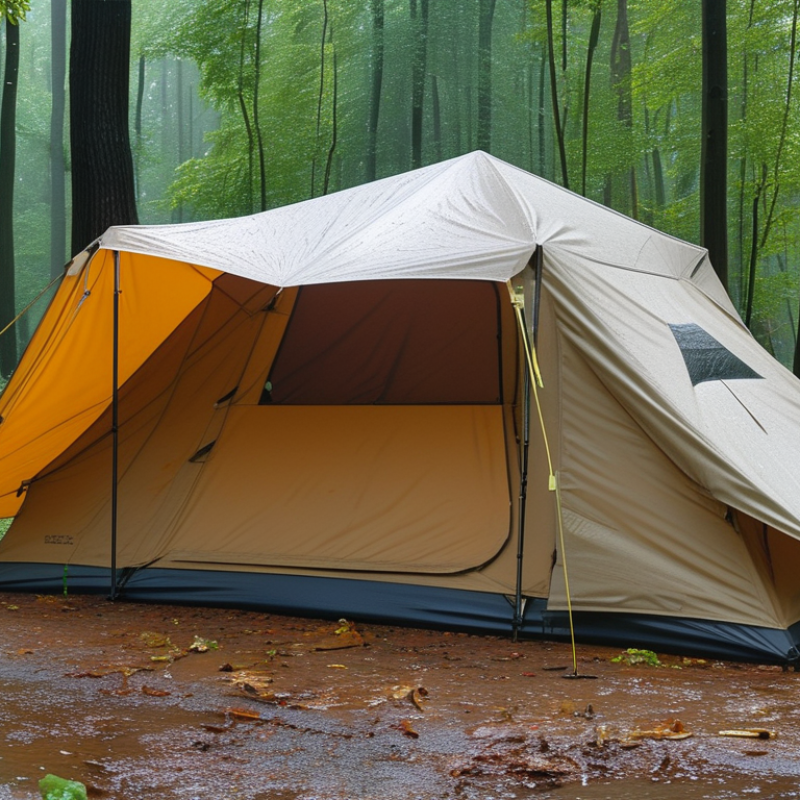
Ultimate Tips for Choosing Tarpaulin Fabric for Your Needs?
Choosing the right tarpaulin fabric can be daunting. With various options available, each type serves different purposes. From camping to construction, selecting the appropriate material is crucial.
Tarpaulin fabric comes in various compositions and weights. Some are waterproof, while others provide UV protection. Understanding your specific needs helps narrow down your choices. Consider the environment where you will use the fabric. This will guide you to the best option.
Ultimately, making an informed decision requires understanding both advantages and limitations. Not all tarpaulin fabrics are created equal. Some may be durable but heavy, while lighter options might not withstand harsh conditions. Reflecting on your requirements can lead to a more suitable choice.
Understanding Tarpaulin Fabric Types and Their Characteristics
Understanding tarpaulin fabric types and their characteristics is essential for making the right choice. There are various types of tarpaulin materials available, each with unique properties. For instance, polyethylene tarps are lightweight and resistant to water, making them ideal for temporary covers. They are often used in camping and outdoor activities. However, they may not withstand extreme weather for long periods.
On the other hand, canvas tarps offer superior durability and breathability. Their natural fibers make them suitable for heavy-duty applications, such as construction sites. Canvas can withstand harsh conditions, but it's essential to note that it may absorb water, leading to mildew if not treated properly.
Another option is PVC tarps, known for their strength and UV resistance. They are excellent for industrial uses but can be heavier and less flexible.
Consider your specific needs and the environment where the tarp will be used. Reflect on the potential downsides of each fabric type. While PVC might be great for a fixed installation, its inflexibility could be a limitation. Weighing these factors will enable you to select the tarpaulin fabric that aligns with your requirements effectively.
Evaluating Durability Factors in Tarpaulin Fabrics: UV Resistance and Tear Strength
When selecting tarpaulin fabric, durability factors are crucial. Two key aspects to evaluate are UV resistance and tear strength. According to the International Association of Plastic Manufacturers, exposure to UV rays can degrade some materials within weeks. Tarpaulins with high UV resistance can last years under the sun. For example, fabrics with a UV rating of 30+ provide significant protection against fading and weakening.
Tear strength also plays a critical role. The American Society for Testing and Materials states that the minimum tear strength for outdoor applications should be at least 200 N. Fabrics that meet this requirement can withstand harsh conditions without ripping easily. A fabric with a lower tear strength may fail prematurely in windy or stormy weather. Real-world tests often reveal that many cheaper options do not hold up well, leading to early replacement.
In your selection process, consider how these features affect your specific needs. Ask yourself if the fabric can endure the environmental stresses it will face. An informed decision will ultimately save both time and resources.
Selecting the Right Weight and Thickness for Specific Applications
Choosing the right tarpaulin fabric involves understanding its weight and thickness. Different applications require specific attributes to ensure durability and effectiveness. For outdoor use, a heavier fabric is often necessary. It withstands harsh weather conditions better than lighter materials.
Consider the weight based on your needs. A 10-ounce tarp might suffice for a simple cover. However, heavy-duty jobs often call for 18-ounce or more. This heft provides better tear resistance and longevity. Reflect on the environment and factors like UV exposure. If the tarp will face constant sunlight, thicker options are preferable.
Thickness also matters. A 300 denier fabric is fine for light use, yet inadequate for construction sites. Think about the wear and tear. Will it be moved frequently? Thicker fabric will bear the strain longer. Be cautious here; it's easy to choose overly thick material that may be unnecessary. Balancing weight and thickness is crucial to maximizing both performance and cost.
Comparing Coated vs. Uncoated Tarpaulin Fabrics for Performance
When it comes to selecting tarpaulin fabric, understanding the differences between coated and uncoated options is crucial. Coated tarpaulins are treated with a protective layer, enhancing their resistance to water, UV rays, and mildew. According to industry reports, coated fabrics can withstand high levels of moisture, making them popular for outdoor applications. For instance, coated polyester can offer a hydrostatic head of up to 3000 mm, indicating excellent waterproof capabilities.
On the other hand, uncoated tarpaulin fabrics are typically more breathable. They are often chosen for uses where air circulation is important, such as temporary shelters. However, they may not perform as well under severe weather conditions. Data shows that uncoated materials can absorb water, leading to potential mold growth if not monitored properly. This is a critical factor for anyone considering long-term use in challenging environments.
Tip: Evaluate the environment where the tarpaulin will be used. If heavy rain is common, a coated fabric is advisable.
Tip: Always consider the specific weight and thickness. Lighter fabrics may tear easily but are also easier to manage.
Choosing the right tarpaulin involves weighing performance against practicality. Each fabric type has its pros and cons, pushing users to reflect on their specific needs.
Cost-Effectiveness: Analyzing Price vs. Quality in Tarpaulin Options
When selecting tarpaulin fabric, cost-effectiveness is a primary concern. Buyers often face the dilemma of price versus quality. Industry reports indicate that higher-quality tarpaulin can last up to three times longer than cheaper alternatives. While premium options may seem costly upfront, they often save users money in the long run by reducing replacement frequency.
It's crucial to analyze the specific needs of your project. Durable materials like PVC and polyethylene offer different benefits. PVC is excellent for heavy-duty applications, while polyethylene is more lightweight and easier to handle. According to a 2022 survey by the Fabricated Geomembrane Institute, about 60% of users prioritize durability over cost. This indicates a growing awareness of the long-term value of investing in quality tarpaulin.
Tip: Always check for UV resistance and waterproof features. These attributes add value but may increase the cost. Make sure to compare different options within your budget. Remember, cheaper tarpaulin could mean frequent replacements. In the end, investing wisely could lead to significant savings and better performance. Balancing price and quality is essential for a successful purchase.
Cost-Effectiveness of Tarpaulin Fabrics: Price vs. Quality
This bar chart illustrates the quality ratings of various tarpaulin fabrics in relation to their pricing. As shown, Heavy-Duty PVC ranks highest in quality, indicating a favorable cost-effectiveness despite a potentially higher price point. Canvas offers a solid balance with a higher quality rating, while Standard Polyethylene provides a more economical option with a lower quality assessment.