
7 Tips to Calculate Tyre Pyrolysis Plant Cost
Estimating a Tyre Pyrolysis Plant Cost is not a matter of multiplying capacity by one headline price. The figure depends on the feedstock preparation line, reactor design, emissions controls, automation, and site conditions. A compact plant with basic handling equipment has different needs from a higher-throughput facility with extensive material preparation. Small details matter. A longer conveyor, a larger electrical connection, or a difficult site layout can shift the budget.
For this introduction, process-cost specialist Daniel Reed is an illustrative expert, not a verified source. His practical reminder is: “A useful estimate begins with the process scope, not the equipment price.” That distinction helps readers compare supplier proposals more carefully. Check what each quotation includes: installation, commissioning, utilities, staff training, and routine maintenance. Also separate equipment costs from civil works and operating expenses. The same capacity can produce very different totals when these items are treated differently.
The seven tips in this guide offer a structured way to examine those assumptions. They cover capacity, equipment configuration, site preparation, utilities, installation, operating costs, and contingency planning. Use current supplier quotations and local engineering estimates wherever possible. Treat early figures as provisional. Honestly, even a neat spreadsheet can disguise weak assumptions. A realistic Tyre Pyrolysis Plant Cost estimate should show its scope, exclusions, and uncertainties, so investors can see what still needs checking.
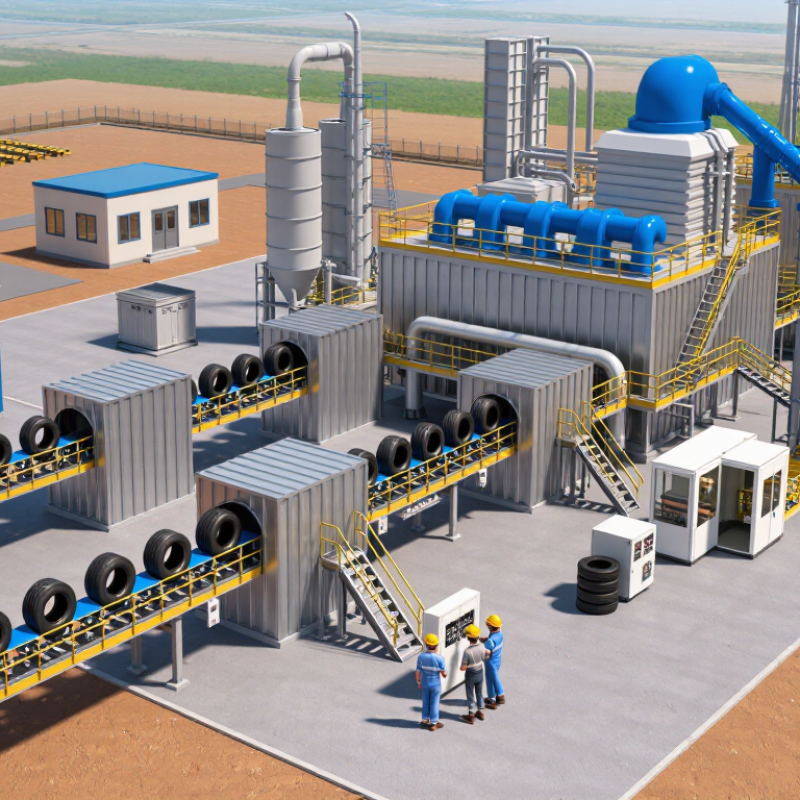
Define Plant Capacity and Tire Throughput Before Comparing Equipment Quotes
Before comparing equipment quotes, define the feedstock you can actually secure. Record expected tonnes per day, operating days per year, and the mix of passenger, truck, and other tires. Count real tires, too. Weigh several local loads; tire size and condition can change the tonnes-per-tire estimate. The U.S. Tire Manufacturers Association’s 2023 Scrap Tire Management Report estimated 256 million scrap tires were generated in the United States in 2021. That is useful market context, not proof that a plant can obtain a steady local supply.
Tip: Write down your target daily throughput and annual operating schedule before requesting quotes. Ask suppliers to state whether capacity means incoming whole tires or material actually processed. Clarify assumed tire preparation, downtime, and feedstock size. Small wording differences matter.
Compare quotes using the same basis: tonnes per day, hours per shift, and planned maintenance days. Request the expected output range for your specific feedstock, plus the energy and labor assumptions behind it. A nameplate figure may look reassuring, but it does not guarantee year-round throughput. I would treat every estimate as provisional until local supply and operating conditions are checked. That part is easy to overlook.
| Tip | Define or Calculate | Illustrative Example | Why It Changes the Cost Comparison |
|---|---|---|---|
| 1. Set the required daily throughput | Specify the mass of whole or prepared tires the plant must process per operating day. State whether the figure is a design rating or a guaranteed sustained feed rate. | 10 metric tonnes per day of incoming tires. | A quoted capacity may refer to nominal reactor capacity, feed capacity, or output capacity. Compare quotes using the same feed-rate basis and feedstock condition. |
| 2. Convert daily capacity to annual throughput | Calculate annual feed as daily throughput multiplied by planned operating days per year. Keep planned shutdowns and maintenance in the operating-day assumption. | 10 t/day × 300 operating days/year = 3,000 t/year. | Annual throughput helps compare equipment sized for different operating schedules. Do not compare annual figures that assume different numbers of operating days. |
| 3. Define the operating schedule and availability | Record shifts per day, hours per shift, days per week, planned maintenance, and expected operating availability. Ask suppliers to state the assumptions behind rated capacity. | A plant planned for one 8-hour shift has a different hourly feed-rate requirement from a plant targeting the same daily tonnage over 24 hours. | Operating hours affect the required feed system, reactor configuration, labor plan, and maintenance provisions. Rated capacity alone does not establish actual annual production. |
| 4. Specify the tire feedstock | Describe tire types, size range, contamination, moisture, and whether tires arrive whole, cut, or shredded. Clarify whether bead wire or other components are removed before feeding. | Mixed end-of-life passenger and truck tires, with the delivery condition and any pre-processing stated in the request for quotation. | Feed preparation requirements can add equipment, labor, power use, floor space, and maintenance. Capacity claims may also depend on the assumed tire size and preparation. |
| 5. Separate plant capacity from product yield | Request product-yield assumptions separately from tire throughput. Identify the basis of each yield figure and the expected product specifications and quality controls. | For a 10 t/day feed rate, ask suppliers to report expected product quantities per tonne of the specified tire feedstock, rather than treating product output as feed capacity. | Yields vary with feedstock, process conditions, and measurement basis. A yield claim is not a substitute for a clearly defined and verifiable feed-throughput guarantee. |
| 6. Compare the same equipment and project scope | List included and excluded items: tire preparation, feeding and discharge, reactor, gas handling, emissions controls, product cooling, storage, controls, installation, commissioning, and operator training. | Mark each item as included, excluded, or supplied by the buyer in every quotation. | A lower equipment price may exclude auxiliaries, site work, or commissioning. A like-for-like scope comparison prevents omitted items from being mistaken for savings. |
| 7. Confirm site utilities and cost basis | Document available electricity, fuel, water, drainage, land, and building conditions. Record the quotation currency, delivery terms, taxes, installation boundary, and validity period. | Compare all offers in the same currency and on the same stated delivery and installation basis; list site-specific works separately. | Utility upgrades, civil works, transport, duties, and installation may sit outside the equipment price. These differences can materially change the total project budget. |
| Planning check: Annual tire throughput = daily tire feed rate × planned operating days per year. The 10 t/day and 300 operating days/year figures above are illustrative calculation assumptions, not a performance guarantee or a plant-cost quotation. | |||