
Contract Manufacturing for Injection Molded Plastic Products in North America
(800) 824.0607
Choosing the right Melt Filtration Disc supplier can influence product quality, equipment life, and production stability. In polymer processing, a small filtration component faces intense heat, pressure, and continuous material flow. Its mesh design, alloy quality, welding accuracy, and dimensional consistency matter greatly.
This guide introduces ten notable suppliers serving markets worldwide. The comparison focuses on manufacturing experience, filtration performance, customization options, quality control, and customer support. Practical factors also matter. A supplier may offer a fine filtration rating, yet struggle with delivery schedules or technical communication. Another may provide excellent prototypes but limited large-volume capacity. Details like disc diameter, layer structure, edge finish, and operating temperature can affect the final decision.
No list is perfect.
Supplier rankings can change as factories expand, certifications improve, or customer needs shift. Public information may also omit important production details. Therefore, buyers should verify test reports, material certificates, sample performance, and application references before placing an order. Speaking with a technical representative is often more useful than reading a polished brochure. In real production, even a tiny burr can disturb screen changes or create pressure fluctuations. This article aims to provide a practical starting point, not a substitute for engineering evaluation. Readers should compare each supplier against their own polymer type, melt pressure, filtration accuracy, and maintenance expectations. Reliability is proven on the production floor.
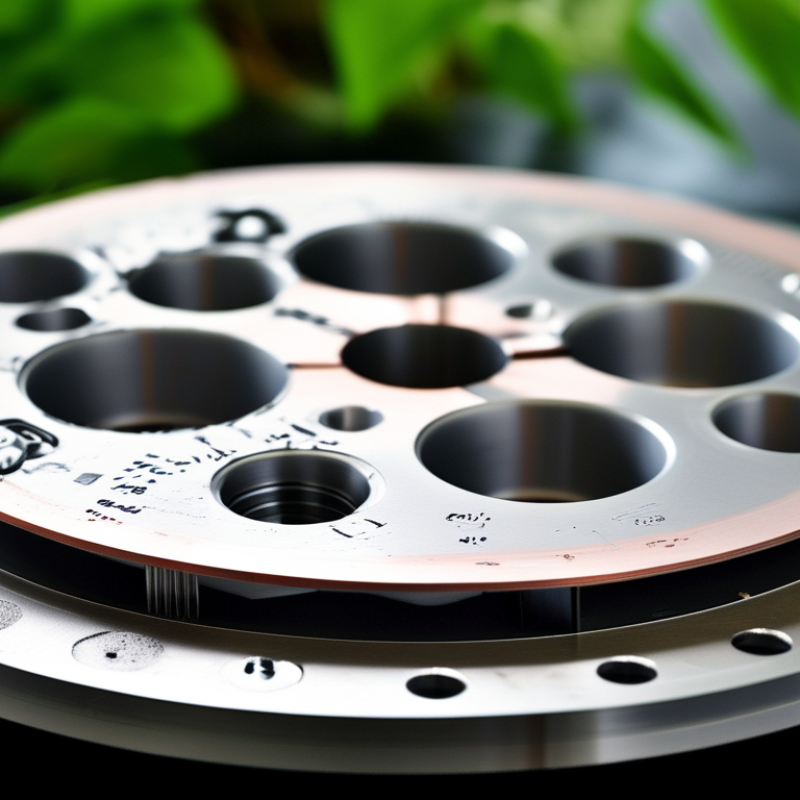
Melt filtration discs are porous metal components used to clean molten polymers before extrusion, molding, or pelletizing. They trap gels, carbonized particles, unmelted resin, and other solid contaminants. Most discs use woven wire mesh, sintered metal, or layered filtration media. Their pore size determines which particles remain in the melt.
During operation, the polymer flows through the disc under pressure. Contaminants stay on the upstream surface, while cleaner melt passes through the openings. As the filter loads, pressure rises across the disc. Operators monitor this pressure difference to decide when cleaning or replacement is necessary. The process sounds simple. It is not always predictable.
When comparing the top ten melt filtration disc suppliers worldwide, buyers should examine filtration accuracy, alloy quality, disc thickness, flow capacity, and production consistency. Technical drawings should state mesh count, micron rating, operating temperature, and allowable pressure. A disc that performs well in one polymer may restrict another. Viscosity changes matter.
Plant trials often reveal details that brochures miss, including edge leakage, warping, or difficult cleaning. I would not judge a supplier by price alone. A cheaper disc can create unstable pressure and more production waste. Still, higher cost does not guarantee better performance. Trial data, inspection records, and responsive technical support offer stronger evidence. Even experienced teams can overlook how resin additives shorten filter life.
A reliable supplier should understand your polymer, operating temperature, pressure, and contamination profile. Do not judge suppliers by catalog size alone. Ask for exact disc materials, pore ratings, thickness tolerances, and usable filtration area. Technical answers should include test methods, not vague claims. A short sample trial often reveals more than a polished presentation.
Check production controls before comparing prices. Request batch certificates, dimensional inspection records, and traceability from raw material to shipment. Strong suppliers explain how they control sintering, bonding, surface defects, and edge damage. Their quality system should support repeatable results across different production lots. Inspect packaging details too. Bent discs can fail before installation.
Communication is another practical test. Can the supplier calculate pressure drop for your melt flow rate? Can it recommend a disc design without hiding assumptions? Ask how failures are investigated and how corrective actions are documented. References from similar processing conditions are useful, but verify them carefully. A supplier may perform well in metal filtration yet struggle with high-viscosity polymers. That distinction matters.
A perfect scorecard is unrealistic. Cost, delivery speed, filtration efficiency, and service rarely peak together. I would record every assumption, then challenge the most convenient one. Request pilot quantities, define acceptance criteria, and monitor pressure rise during production. A confident supplier welcomes measurable verification. An evasive answer deserves caution.
Melt filtration discs support cleaner polymer processing and steadier production. The leading ten suppliers are not defined by size alone. They earn trust through consistent pore control, accurate dimensions, and dependable delivery. Experienced buyers usually compare woven wire, sintered metal, and multilayer disc designs. Each option suits different melt temperatures, pressures, and contamination levels.
Reliable suppliers provide technical drawings, material certificates, and batch traceability. They should explain filtration ratings clearly, rather than using vague terms like “high performance.” A capable supplier can recommend disc thickness, mesh structure, and sealing methods for extrusion equipment.
Practical testing matters too. Ask for samples before approving a large order. A small sample can reveal pressure rise, edge damage, or poor fit.
Global sourcing also requires careful communication. Time zones, packaging quality, and replacement lead times can affect production more than expected. Some suppliers offer impressive specifications but weak after-sales support. That is an uncomfortable detail, yet it matters.
I would inspect tolerance data, cleaning limitations, and maximum operating temperatures before comparing prices. One missed detail may shorten service life.
Supplier rankings can change by application, region, and material grade. There is no universal top ten for every processor.
A worldwide comparison of melt filtration disc suppliers should examine more than catalog size. The real test is how each supplier matches product design to polymer, throughput, and operating temperature. Disc packs, screen changers, and custom filter elements serve different production needs. A supplier experienced with recycled polymers may offer stronger contamination control than a supplier focused only on virgin resin.
Material selection reveals technical depth. Stainless steel grades must resist corrosion, pressure, and repeated thermal cycling. Some suppliers use sintered metal, woven wire, or layered mesh for different filtration ratings. In practice, a 20-micron disc may perform differently from another 20-micron disc. Open area, thickness, bonding quality, and surface finish all affect pressure drop. Small details matter.
Manufacturing capability also separates the top ten candidates. Look for in-house laser cutting, precision sintering, automated inspection, and traceable heat treatment records. Dimensional consistency matters when discs are stacked inside a narrow filter chamber. Reliable suppliers should provide test data, tolerance ranges, and batch identification. Site audits can confirm whether production claims match reality. They can also expose gaps.
Cost comparisons need caution. A cheaper disc may create faster pressure rise, more frequent changeovers, and hidden waste. Yet premium specifications are not always necessary. I have found that supplier recommendations sometimes reflect standard inventory, not the customer’s actual process. Pilot testing remains essential, especially with abrasive fillers, high-viscosity compounds, or unstable recycled feedstock.
Choosing among the top melt filtration disc suppliers requires more than comparing prices. Start with your polymer, melt temperature, pressure, throughput, and contamination level. A disc handling clean resin may fail quickly with recycled material. Ask suppliers for material certificates, dimensional tolerances, and pressure ratings. Request samples that match your actual process.
Experience matters during supplier evaluation. A capable supplier should explain mesh structure, filtration accuracy, weld quality, and expected service life in practical terms. They should also provide batch traceability and inspection records. Check whether their laboratory can perform pressure, flow, and thermal testing. A short technical call can reveal more than a polished catalog.
Test before committing. Run the discs under production temperature and realistic pressure changes. Measure pressure rise, output stability, and replacement frequency. Ask how defects are handled, including late shipments or inconsistent filtration. Clear answers build trust. Vague promises do not.
Supplier selection is rarely perfect. One overlooked detail, such as a narrow sealing edge, can create leakage after installation. I would also question unusually low prices, even when samples look acceptable. Review lead times, emergency support, packaging, and communication speed. A reliable partner should document limitations instead of hiding them. Small trials often expose large risks.
A practical screening model for comparing melt filtration disc suppliers without relying on company or brand claims. The percentages represent the relative importance of common technical, commercial, and service factors in supplier selection.
The highest priorities are filtration consistency, pressure and temperature resistance, product quality, and application-specific customization. Buyers should validate these factors against polymer type, melt temperature, operating pressure, required micron rating, throughput, and replacement frequency.