
Top 10 Organic Vegan Gelatin Alternatives for Buyers
Choosing a plant-based setting agent is not as simple as replacing gelatin one-for-one. Agar, pectin, carrageenan, and konjac each behave differently in a saucepan, dessert cup, or commercial production line. Some create a firm, clean slice; others deliver a softer gel or need precise acidity and sugar levels. Small details matter. A tart filling that sets beautifully with pectin may disappoint in a low-sugar recipe.
This guide to the top 10 organic vegan gelatin alternatives helps buyers compare ingredients by performance, sourcing, and practical use. We consider texture, heat tolerance, application, and whether suppliers provide clear information about organic certification and processing. “Organic Gelatin Vegan” is a useful search phrase, but it can be confusing: these products are plant-derived gelling agents, not gelatin. Check product specifications and certification documents rather than relying on a label alone. A supplier’s sample can also reveal issues a data sheet may miss, such as clumping, aftertaste, or a brittle finish.
There is no universal best choice. A bakery making fruit glazes may value clarity, while a supplement maker may prioritize consistent batches and dependable documentation. Test the ingredient in your own formula, and record the ratio, temperature, and setting time. That extra trial takes effort. It can prevent a costly production mismatch later. Some results will still surprise you; plant-based gels can be sensitive to recipe changes, and buyer feedback is worth reviewing alongside supplier claims.
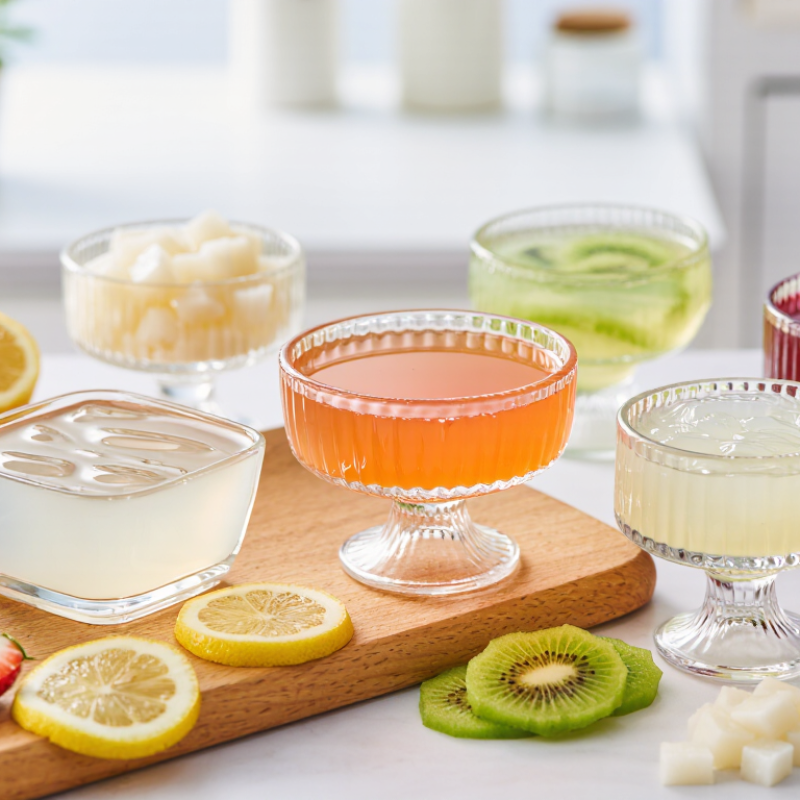
What Organic Vegan Gelatin Alternatives Are and How They Work
Vegan gelatin alternatives are plant- or seaweed-derived ingredients that form gels without animal collagen. Agar and carrageenan come from red seaweed; pectin is commonly extracted from fruit, while konjac comes from a root. They do not behave like identical substitutes. Agar sets as a liquid cools, creating a clean, firm bite. Pectin usually needs sugar and acid, or calcium, to form a gel. Carrageenan responds to minerals in the mixture, so small changes can affect its texture. Konjac can make a springy gel, often alongside other gelling agents.
The Food and Agriculture Organization’s 2024 report, The State of World Fisheries and Aquaculture, records 37.8 million tonnes of algae production worldwide in 2022; about 97% came from aquaculture. That scale helps explain why seaweed ingredients appear across food applications, but it does not guarantee identical performance between suppliers. Buyers should check gel strength, setting temperature, and performance in the intended recipe. A spoonful of hot fruit filling may need a different blend than a chilled dessert. Organic status also depends on the ingredient and its certification, so verify documentation rather than relying on front-label wording. Not a one-for-one swap. Bench tests matter, and the first batch may still surprise you.
| Top 10 Organic Vegan Gelatin Alternatives for Buyers — What Organic Vegan Gelatin Alternatives Are and How They Work | ||||
|---|---|---|---|---|
| Alternative | Plant-Based Source | How It Works | Best Uses and Set | Buyer Considerations |
| Agar-agar | Polysaccharides extracted from red seaweed. | Must be dispersed and boiled to hydrate; it forms a gel as it cools, typically setting at room temperature. | Firm, clean-cut gels for desserts, fruit gels, and molded foods. The texture is generally firmer and more brittle than gelatin. | Check the recommended dose and preparation instructions. Organic certification and processing standards vary by supplier. |
| Pectin | Soluble fiber naturally found in fruit, commonly extracted from citrus peel or apples. | High-methoxyl pectin generally gels with sufficient sugar and acid; low-methoxyl pectin can gel with calcium. | Fruit preserves, pie fillings, and fruit-based confectionery. The final set depends on the pectin type and recipe balance. | Choose a pectin type suited to the recipe; pectin types are not always interchangeable. Verify organic status on the ingredient documentation. |
| Carrageenan | Extracted from red seaweed. | Hydrates with heat. Different forms respond to minerals such as potassium or calcium to create gels or thicken liquids. | Dairy-free puddings, custards, and some soft or elastic gels; performance depends on the carrageenan type and formulation. | Check the specified type and processing directions. Organic certification is product-specific, not guaranteed by seaweed origin. |
| Konjac glucomannan | Soluble fiber from the konjac plant’s root. | Thickens when dispersed in water. A strong gel is commonly made with an alkaline coagulant or by combining it with other gelling agents. | Chewy gels, noodles, and blended gel systems. Texture can be elastic and dense rather than gelatin-like. | Follow the recipe closely: concentration and coagulant affect the result. Check for clear preparation and food-use instructions. |
| Gellan gum | Produced by fermentation of a carbohydrate by microorganisms. | Hydrates with heat and forms gels as it cools; mineral ions can influence gel strength. Low-acyl and high-acyl types produce different textures. | Clear, precisely structured gels, beverages, and plant-based desserts. Texture ranges from firm to more elastic depending on type. | Confirm the grade and formulation guidance. Fermentation-derived does not automatically mean certified organic. |
| Tapioca starch | Starch extracted from cassava root. | Thickens when heated in liquid as its starch granules swell; it can form a soft, cohesive texture as the mixture cools. | Fruit fillings, sauces, chewy desserts, and soft-set preparations. It does not usually produce a firm, clear gelatin-style gel by itself. | Look for food-grade starch and recipe-specific guidance. Organic certification depends on the product and supply chain. |
| Arrowroot starch | Starch extracted from arrowroot rhizomes. | Thickens when heated in liquid and can give a smooth, glossy consistency; it is mainly a thickener rather than a stand-alone firm gelling agent. | Clear sauces, fruit glazes, and soft fillings where a delicate thickened texture is wanted. | Use the amount and heating method specified in the recipe. Check the package for organic certification if required. |
| Cornstarch | Starch separated from corn kernels. | Thickens as its granules swell during heating. On cooling, it can create a soft, pudding-like structure rather than an elastic gel. | Puddings, custards, pie fillings, and sauces. It is not a one-to-one substitute for gelatin in set desserts. | Disperse in cool liquid before heating to reduce lumps. Organic status and crop sourcing should be checked on the label. |
| Methylcellulose | Made from plant-derived cellulose that has been modified for food use. | Unlike most gelling agents, it can thicken when cold and form a gel when heated; the gel can soften again as it cools. | Heat-set applications such as plant-based fillings and culinary preparations that need structure during cooking. | Use food-grade material and follow the supplier’s hydration and temperature instructions. Do not assume it is certified organic. |
| Locust bean gum | Galactomannan fiber from the seeds of the carob tree. | Hydrates with heat and thickens liquids. It is commonly used with other hydrocolloids; by itself it usually does not make a firm gelatin-like gel. | Improves body and texture in plant-based desserts, frozen foods, and blended gel systems. | Consider it a texture aid rather than a direct gelatin replacement. Check organic certification and whether the recipe requires a companion gelling agent. |
Buying note: “Vegan” describes suitability for a plant-based diet; it does not mean an ingredient is organic. Look for valid organic certification for the specific product, and remember that these alternatives differ in setting temperature, texture, acidity, sugar requirements, and preparation method.