Top Trends in Plastic Injection Molding Machines for 2026
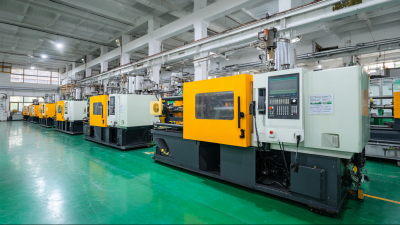
As we look ahead to 2026, the landscape of manufacturing continues to evolve. Central to this transformation is the plastic injection molding machine. These machines play a crucial role in producing intricate parts for various industries. From automotive to consumer electronics, their impact is undeniable.
Recent trends highlight advancements in efficiency and sustainability. Manufacturers are seeking machines that reduce energy consumption while maintaining high precision. Innovations like smart technology integration are on the rise. These features enhance production monitoring, making operations more reliable. However, with rapid changes come challenges. Not all companies can adapt quickly to new technologies.
Moreover, as demands shift, the industry must rethink its approach. A plastic injection molding machine can be a powerful tool, but only if utilized thoughtfully. Balancing capability with ecological responsibility is essential. As we explore these trends, understanding their implications is key for future growth.
Emerging Technologies in Plastic Injection Molding Machines for 2026
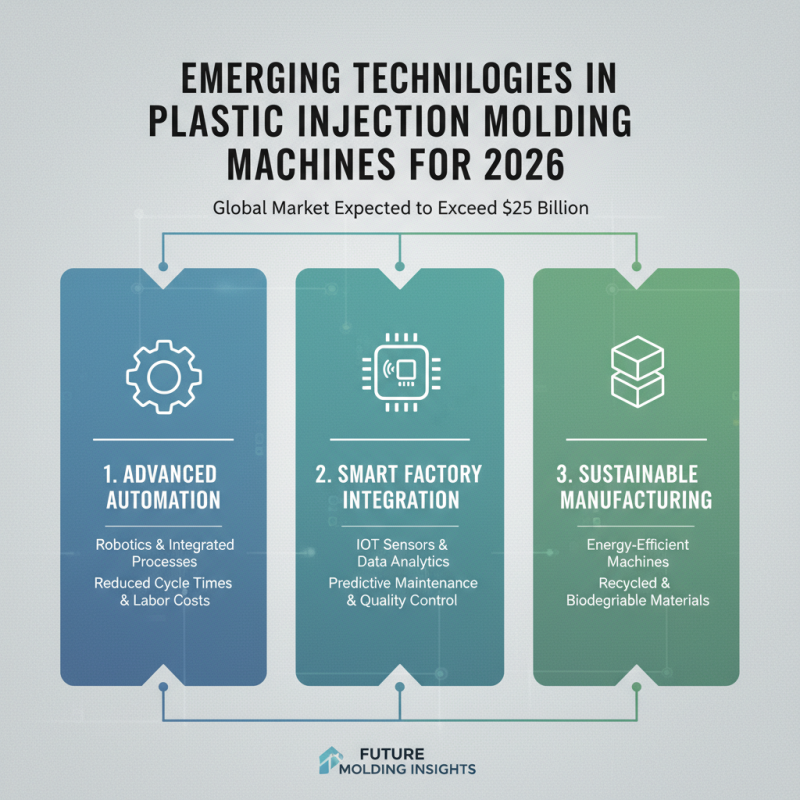
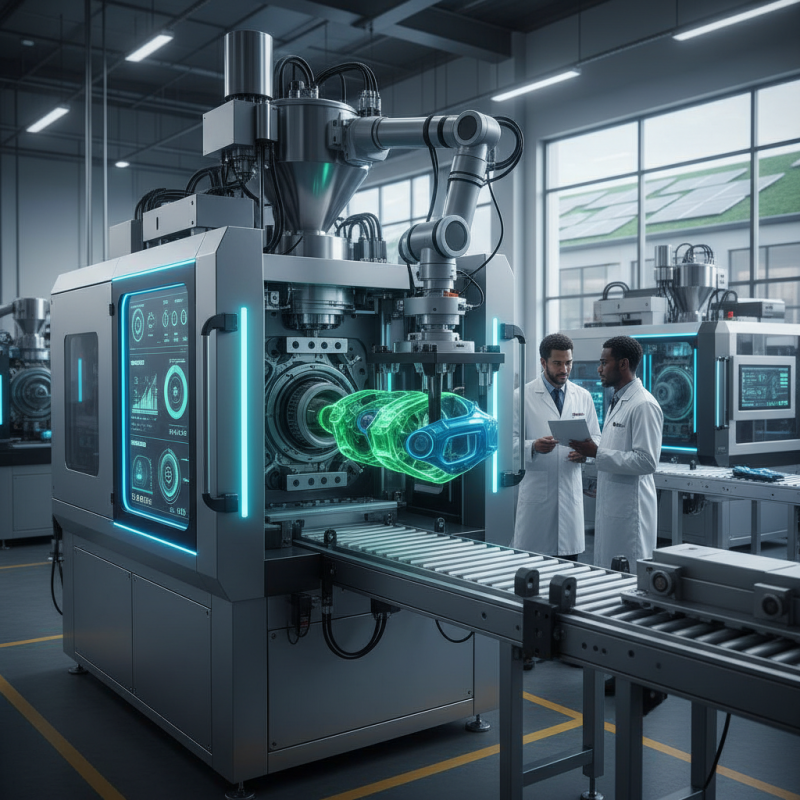
The landscape of plastic injection molding machines is evolving rapidly, driven by emerging technologies. Industry reports indicate that the global market for these machines is expected to grow significantly, reaching over $25 billion by 2026. One key area seeing innovation is automation. Advanced robotics are streamlining production. These new systems can integrate various processes, reducing cycle times and labor costs.
Another emerging technology is the integration of the Internet of Things (IoT). This allows for real-time monitoring and predictive maintenance. A study showed that IoT-enabled machines can improve operational efficiency by up to 30%. The data collected enables manufacturers to anticipate machine failures before they occur, thus minimizing downtime—a crucial factor in maintaining productivity and profitability.
**Tip:** Consider investing in IoT technology. It can provide insights that lead to significant operational improvements. Additionally, keep an eye on workforce training. As machines become more complex, skilled operators are needed to navigate their functionalities. Balancing emerging tech with human expertise is vital for success. Embracing these technologies may require adjustments, but the potential benefits can outweigh the challenges.
Sustainability Trends Driving Changes in Injection Molding Practices
Sustainability is reshaping the landscape of plastic injection molding. In 2026, companies are increasingly adopting eco-friendly materials and processes. According to a recent industry report, nearly 70% of manufacturers aim to use recycled materials in their production. This shift is fueled by both consumer demand and regulatory pressure to reduce plastic waste.
Innovations in machine technology are also contributing to sustainability. New injection molding machines now feature energy-saving designs that lower consumption by up to 30%. Additionally, many machines are being equipped with software that optimizes the use of materials. This reduces scrap rates, further enhancing efficiency. However, the transition is not seamless. Many companies struggle with the initial investment required for these advanced technologies.
The integration of sustainable practices is a journey. While the benefits are clear, challenges persist. Businesses frequently report difficulties in sourcing recycled materials that meet quality standards. Furthermore, training staff to adapt to new processes requires time and resources. These hurdles prompt ongoing discussions about the future of injection molding in a more sustainable world.
Advancements in Automation and Smart Manufacturing in Molding Machines
In 2026, the landscape of plastic injection molding machines is set to transform through advancements in automation and smart manufacturing. These changes aim to enhance efficiency and reduce waste. Automation technologies enable quicker setups and consistent quality, while smart systems provide real-time data for better decision-making. This shift can lead to significant savings in production costs.
Tips: Investing in training for staff on new automation tools is essential. Understanding these tools improves their effectiveness and can optimize the production process.
The integration of AI and IoT in molding machines allows for predictive maintenance. This reduces downtime and surprises from equipment failures. However, transitioning to smart manufacturing is not without its challenges. Many companies struggle with interoperability between old and new systems. This can create bottlenecks in production.
Tips: Conduct a thorough assessment of existing equipment before implementing new technologies. Identifying weak points in the current system can streamline the integration of smart features.
Top Trends in Plastic Injection Molding Machines for 2026
Impact of Industry 4.0 on Plastic Injection Molding Processes
The influence of Industry 4.0 on plastic injection molding processes is profound. Smart technology is redefining manufacturing. Machines can now communicate in real time. This connectivity optimizes production, reduces downtime, and enhances efficiency. Many companies adopt sensors and IoT devices to monitor processes closely. These technologies enable data-driven decisions that were once impossible.
However, the transition to smart molding machines isn’t without its challenges. Implementing these advanced systems requires investment and training. Workers must adapt to new technologies and workflows. There may be resistance to change from employees accustomed to traditional methods. Adequate training is crucial to ensure successful integration. Additionally, companies must navigate cybersecurity risks associated with increased connectivity. A holistic approach is necessary for a smooth transformation.
Faulty data analysis can lead to errors, impacting product quality. Companies must develop strategies to verify the accuracy of data collected. This focus on precision can drive improvements but must be approached cautiously. Balancing innovation with existing practices is essential for future success in plastic injection molding.
Key Market Players and Their Innovations in 2026 Molding Equipment
As we look toward 2026, the landscape of plastic injection molding machines is evolving rapidly. Key players in the market are embracing innovative technologies to enhance efficiency and sustainability. These advancements focus on reducing waste and energy consumption, which are crucial in today’s eco-conscious environment.
Collaboration among industry leaders fosters a dynamic exchange of ideas. Some companies are integrating advanced automation to streamline production processes. This not only boosts productivity but also reduces operational costs. However, the challenge remains in balancing innovation with reliability. Frequent technical upgrades can lead to disruptions in workflow.
Moreover, advancements in real-time monitoring and data analytics are reshaping the future of injection molding. Collecting and analyzing data can improve decision-making and maintenance schedules. Yet, the reliance on technology can create setbacks if the systems fail. Continuous training for operators is essential to mitigate these issues.