Top Waterproof Power Connector Solutions for Your Projects?
Choosing the right Waterproof Power Connector is crucial for the success of any project. These connectors play a vital role in ensuring safety and reliability in various environments. Whether it's for outdoor lighting, automotive applications, or marine equipment, a robust waterproof power connector can prevent failures caused by moisture and dust.
Many projects require components that can withstand harsh conditions. That's where waterproof power connectors shine. They guard against environmental factors that threaten electric connections. When selecting connectors, consider materials and ratings. This choice impacts performance and longevity.
In the market, options abound, but not all connectors are created equal. Some may claim to be waterproof, yet fail to provide adequate protection. It’s essential to review certifications and real-world performance. A connector that performs well under testing may not achieve the same results in practical use. Reflecting on these details helps ensure the right choice is made for your specific needs.
Understanding the Importance of Waterproof Power Connectors in Projects
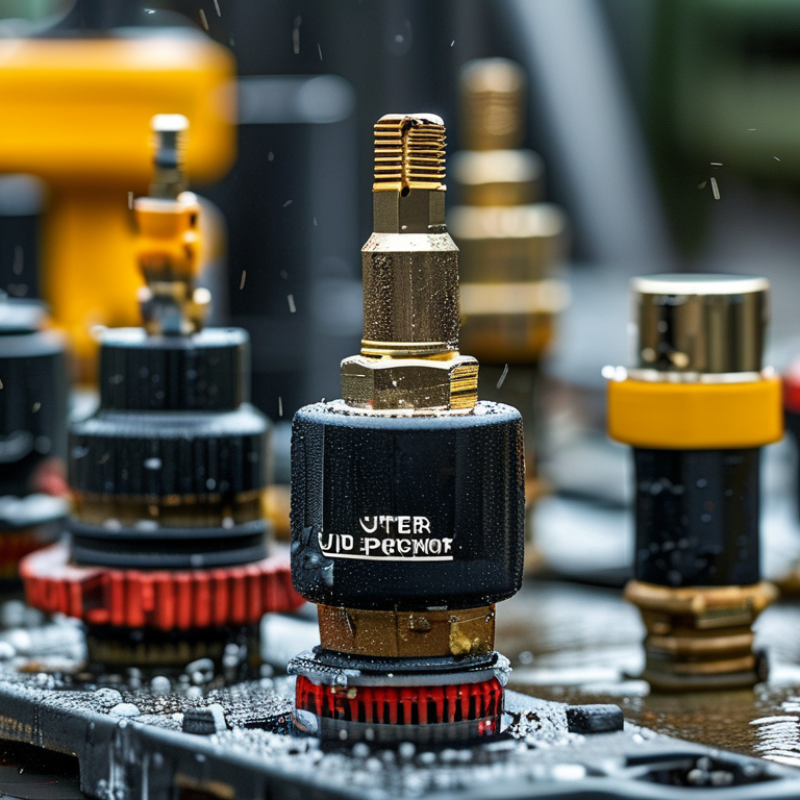
In many projects, waterproof power connectors play a critical role. Their importance cannot be overstated, especially in outdoor or humid environments. These connectors protect electrical connections from water, dust, and other contaminants. Without them, projects may face malfunctions or failures. This protection is crucial for ensuring a project’s longevity.
When selecting waterproof connectors, consider several factors. The environmental conditions significantly influence your choice. High humidity, rain, or even submersion in water can compromise regular connectors. In such cases, connectors designed for marine or industrial use become essential. Attention to the IP rating of these connectors is vital. An IP67-rated connector, for example, can resist temporary submersion in water, making it suitable for challenging environments.
Even with the right connectors, issues can arise. Installation errors can lead to inadequate sealing, undermining their protective features. Regular maintenance and checks are necessary to ensure ongoing reliability. Understanding the dynamics of your project environment helps in making informed decisions. The focus should be on creating lasting electrical connections that can withstand the elements. Prioritizing waterproof solutions is more than just a technical necessity; it reflects a commitment to project quality and durability.
Types of Waterproof Power Connectors and Their Applications
Waterproof power connectors come in various types, each designed for specific applications. These connectors are crucial in environments exposed to moisture or harsh conditions. One common type is the round connector, often used in outdoor lighting and industrial equipment. They provide secure connections, ensuring electrical safety and longevity. The materials used are typically robust, allowing them to withstand exposure to elements.
Another type is the rectangular connector, frequently found in marine applications. These connectors are engineered to resist saltwater and corrosion, making them ideal for boats and coastal installations. Their design incorporates sealing mechanisms that prevent water ingress. Additionally, plastic and rubber materials are commonly utilized to enhance durability and protection.
However, selecting the right waterproof connector can be challenging. Factors such as voltage, current rating, and environmental conditions must be carefully considered. Not all connectors are made equally. Some may fall short in extreme weather or rugged use. Testing different options before finalizing a project is advisable. Missteps here can lead to malfunction or safety hazards, highlighting the importance of informed decisions in connector selection.
Top Waterproof Power Connectors - Applications Distribution
Key Features to Consider When Choosing Waterproof Power Connectors
When selecting waterproof power connectors for your projects, it’s essential to focus on key features that guarantee reliability and longevity. One important factor is the IP rating, which indicates the level of protection against dust and water. An IP67 rating, for example, ensures full immersion in water for a limited time. This feature is crucial for outdoor projects or those exposed to harsh environmental conditions.
Another vital consideration is the temperature range. Connectors that can withstand extreme temperatures will perform better in various conditions. Additionally, look for materials that resist corrosion and UV radiation. Many connectors use thermoplastic elastomers for durability. However, always evaluate if the material suits your specific applications.
Ease of installation can’t be overlooked. Some connectors come with locking mechanisms for secure connections. Others prioritize tool-less design, which simplifies the setup process. While these features sound appealing, it’s crucial to ensure they do not compromise reliability. Testing under real-world scenarios can highlight potential weaknesses, leading to improved designs in future projects.
Top Waterproof Power Connector Solutions for Your Projects
| Connector Type | IP Rating | Current Rating (A) | Voltage Rating (V) | Operating Temperature (°C) | Material |
| Circular Connector | IP67 | 20 | 250 | -40 to 85 | Polycarbonate |
| Rectangular Connector | IP68 | 30 | 400 | -40 to 105 | Aluminum Alloy |
| Wire-to-Wire Connector | IP65 | 15 | 150 | -30 to 70 | Nylon |
| PCB Connector | IP67 | 10 | 48 | -20 to 80 | Copper Alloy |
| Hybrid Connector | IP67 | 25 | 300 | -40 to 85 | Thermoplastic |
Top Manufacturers of Waterproof Power Connectors in the Industry
Waterproof power connectors are essential in various industries. Selecting the right manufacturer is crucial for reliability and longevity. Many reputable manufacturers focus on innovative designs and advanced materials to enhance durability. They adhere to strict quality control processes, ensuring that their connectors withstand harsh conditions. These manufacturers often provide detailed specifications, allowing engineers to choose the best component for their specific applications.
In the ever-evolving market, certain manufacturers have established a strong reputation. They prioritize research and development to remain competitive. Many offer a range of waterproof connectors, each designed for different environments. While some connectors perform well in rain, others excel under submerged conditions. Testing is vital. Not all connectors can withstand extreme situations, and users must consider their unique requirements.
Despite advancements, challenges persist. Availability of components may vary, leading to project delays. Building relationships with suppliers is essential. Manufacturers need feedback to improve their products. Understanding end-user experiences can guide the development of future solutions. Collaboration is key to creating connectors that meet evolving industry standards.
Best Practices for Installing and Maintaining Waterproof Power Connectors
When working with waterproof power connectors, proper installation is crucial. Ensure each connector is securely fastened to prevent water ingress. Use heat shrink tubing or silicone sealant for added protection. Verify that all connections are clean and free of corrosion. Corroded connectors can fail, leading to project delays and increased costs.
Routine maintenance is often overlooked but is vital for longevity. Regular checks for wear and tear can help identify issues before they escalate. Look for cracks in the housing and any signs of moisture entry. It’s also wise to test the connections periodically under real operating conditions. Sometimes, connectors may appear fine but may not perform as expected under load.
Reflecting on the installation process can lead to better practices. If mistakes were made, analyze what went wrong. Adjust your methods as needed for future projects. Small changes can yield significant improvements in performance and reliability. Adopting a proactive approach to both installation and maintenance will result in a more durable and efficient system.