Why Choose a Self Locking Connector for Your Application?
A connector can look secure on a workbench and still loosen under vibration, repeated handling, or cable movement. That small shift may interrupt power or signal transmission when dependable operation matters. A Self Locking Connector helps reduce this risk by using a coupling mechanism that resists accidental separation. Depending on its design, the lock may use a threaded collar, push-pull sleeve, or another retention feature. The right choice depends on the application, not just the name.
In industrial equipment, vehicles, test instruments, and outdoor systems, connectors often face tight spaces and frequent service. A positive locking action can make connections easier to check by touch, especially when access is limited. It may also reduce the chance of an operator leaving a plug partly engaged. That detail matters. Yet locking alone does not guarantee reliability. Contact material, current rating, sealing, temperature range, cable strain relief, and mating-cycle life all deserve review. Check the manufacturer’s specifications, and test the assembly under realistic conditions before deployment.
There is no universal best option. A compact connector may suit a handheld device, while a rugged circular model may better fit machinery exposed to vibration. Consider how often technicians must disconnect it, whether gloves are worn, and how much space surrounds the panel. A lock that is difficult to release can slow maintenance. One that is too easy may not hold as intended. The trade-off is real. Careful selection—and a practical fit check—can help match connector performance to the demands of the application.
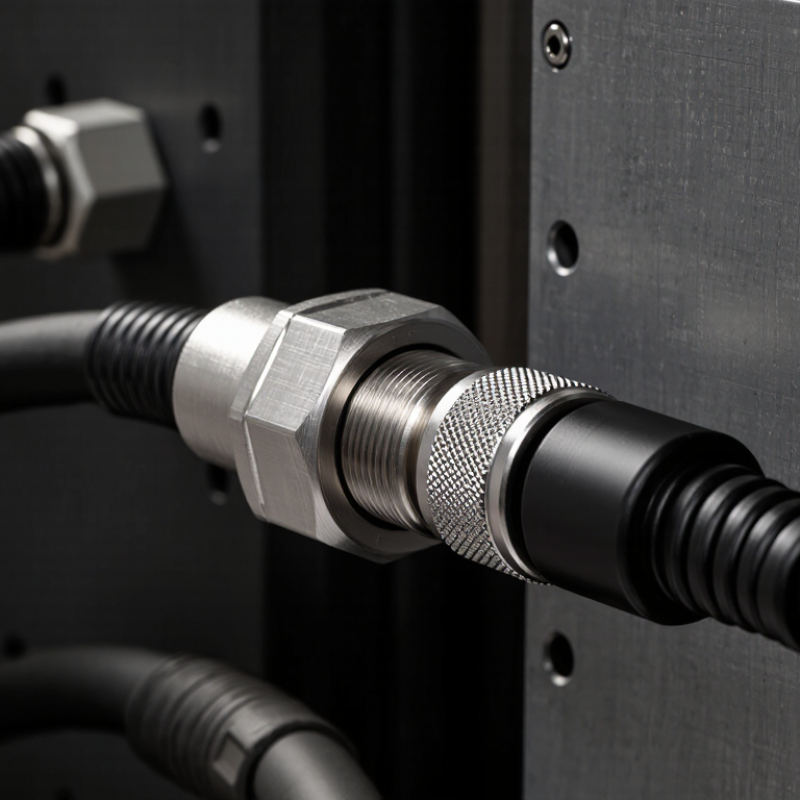
What Is a Self-Locking Connector?
Why Choose a Self-Locking Connector for Your Application?
What Is a Self-Locking Connector?
A self-locking connector uses a built-in mechanism to resist accidental separation after mating. Depending on its design, that mechanism may be a spring latch, threaded coupling, or push-pull lock. The connection stays secure until someone releases it intentionally. A small detail. The locking parts may be inside the shell, so the connector can look much like an ordinary plug.
In practical installations, this feature can help prevent cables from coming loose when equipment vibrates or gets moved. You may hear or feel a click when a latch engages, but that alone does not confirm a secure connection. Not always. Check the connector’s instructions and inspect the locking parts for wear, dirt, or damage. Also confirm that its ratings suit the application, including expected vibration, pull force, moisture exposure, and mating cycles. A locking connector does not make a poor cable fit well, and some designs take longer to release in cramped spaces. That trade-off is easy to overlook. Choosing the right type means considering both how firmly it holds and how readily it can be disconnected during maintenance.
How Does Its Locking Mechanism Work?
How Does Its Locking Mechanism Work?
A self-locking connector uses a mechanical feature to resist accidental separation during vibration or routine handling. The exact design varies. In a common push-pull type, spring-loaded locking elements engage a groove when the plug is inserted. The parts hold together until the release sleeve is pulled back.
You may hear a click as the connector seats. That sound can help, but it is not proof of a secure connection. Check that the plug feels fully engaged and does not withdraw under a gentle pull. To disconnect, move the release sleeve as directed; pulling the cable alone may strain its conductors. Small details matter.
Dirt, wear, or a damaged spring can stop the locking parts from moving freely. I would not assume that a connector is locked just because it looks flush. Test the connection during installation, and inspect it periodically in equipment exposed to vibration. Also check the connector’s stated mating cycles, retention force, and environmental rating. A strong lock does not automatically mean a sealed or waterproof connection.
Why Choose a Self-Locking Connector for Your Application? — How Does Its Locking Mechanism Work? | Dimension | Typical Design or Behavior | Why It Matters | Selection Consideration |
| Locking mechanism | Many push-pull self-locking designs use a spring-loaded sleeve and internal locking elements. When the plugs mate, the elements engage a retention feature on the mating half. | The connection resists accidental separation from routine handling or cable pull, depending on the connector design. | Locking mechanisms vary. Confirm the connector’s construction and retention requirements in its technical documentation. |
| Mating sequence | The connector halves are aligned and pushed together. In a push-pull design, engagement of the locking elements typically occurs automatically as the halves seat. | Fast, straightforward mating can be useful where connections are made frequently or access is limited. | Check keying, alignment features, and any required mating procedure to avoid damage or incorrect connection. |
| Unmating sequence | Depending on the design, the user retracts or operates a release sleeve before pulling the connector halves apart. | A deliberate release action helps reduce unintended disconnection while allowing intentional separation. | Make sure the release can be operated comfortably with the available hand clearance and wearing any required gloves. |
| Vibration and movement | A positive mechanical lock can help maintain engagement under movement, but performance depends on the specific connector and installation. | Useful for equipment exposed to vibration, cable movement, or frequent handling. | Verify vibration and shock ratings for the complete connector assembly; do not assume all self-locking connectors have the same rating. |
| Connection security | The lock provides mechanical retention between the mating halves. Electrical contact performance is determined by the contact system and connector design. | Helps keep a mated connection in place without relying solely on friction between contacts. | Check contact type, current and voltage ratings, and any required environmental or sealing specifications separately. |
| Repeated mating | Self-locking connectors are available in designs intended for repeated connection and disconnection. | Can support service, testing, and modular equipment workflows. | Review the specified mating-cycle life and inspection or maintenance guidance for the selected model. |
| Application fit | Commonly considered for instrumentation, medical equipment, industrial devices, and other systems where secure, releasable connections are needed. | The locking action can balance connection retention with convenient servicing. | Choose based on required signal or power contacts, environmental conditions, size, cable type, and applicable safety requirements. |
What Benefits Does Self-Locking Design Provide?
A self-locking connector helps keep a connection secure when equipment vibrates, cables shift, or operators move around a work area. Instead of relying only on friction, its locking feature holds the mating parts together until someone deliberately releases them. That matters. On a production line, a loose connector can interrupt a sensor signal or stop a machine, even when the cable looks intact. A distinct click or tactile engagement can also help technicians confirm that the connector is seated. The sound is useful, but it should not replace a visual check.
The design can reduce accidental disconnections during routine handling and make maintenance more predictable. Many types allow release with a sleeve, collar, or other simple motion, so authorized staff can disconnect them without excessive force. Small advantage. In dusty, wet, or high-vibration settings, performance still depends on the connector’s rating, correct installation, and regular inspection. Dirt or worn locking parts may prevent full engagement. That detail is easy to overlook. Before selection, check the required current, voltage, environmental protection, cable size, and mating compatibility. A locking mechanism cannot compensate for a poor fit or damaged contacts, and that’s worth remembering when planning service intervals.
Where Are Self-Locking Connectors Commonly Used?
Self-locking connectors are common wherever vibration, movement, or frequent handling can loosen an electrical connection. In road vehicles, they link sensors, lighting, and control modules, often inside crowded spaces where a loose plug is difficult to inspect. Their latch helps resist accidental separation. Small details matter.
Electric vehicles add more electrical systems and connection points. The International Energy Agency’s Global EV Outlook 2024 reported nearly 14 million electric-car sales in 2023, about 18% of new car sales worldwide. That figure describes market growth, not connector failures, but it shows why secure, serviceable connections matter to vehicle designers. A connector still needs the correct current rating, sealing, and cable support.
Factories use self-locking connectors on robotic arms, machine sensors, and control panels exposed to repeated motion. The International Federation of Robotics reported 4.28 million industrial robots operating worldwide in 2023. Aircraft, rail equipment, and portable medical devices are other settings where vibration or routine handling can make retention important. Not a cure-all. A latch cannot fix poor cable routing, and some designs slow repairs when technicians need quick access. Choose one only after checking the environment, mating cycles, and maintenance needs.
How Do You Choose the Right Self-Locking Connector?
Choosing the right self-locking connector starts with the conditions it must survive. Note the expected vibration, shock, temperature range, moisture, dust, and chemical exposure. Then estimate how often it will be connected or removed. Fit matters. A threaded coupling may suit steady vibration, while a push-pull design can allow quicker access. Neither mechanism is automatically right for every application.
Match the connector’s electrical ratings to the actual load, including voltage, current, and signal requirements. Check pin count, contact layout, and whether the cable size fits the backshell without strain. For outdoor or washdown use, verify the protection rating in the mated condition; an unmated connector may offer less protection. Small details matter. A tight panel opening or gloved hands can make an otherwise suitable connector awkward to use.
Look beyond the catalogue rating. It cannot show whether the latch is easy to inspect in a dim enclosure, or whether the cable bends sharply after installation. Consider mating-cycle life, available mounting options, and how the connector will be serviced. Test a sample in the real assembly, with the intended cable and operating conditions. This step can reveal a mismatch early. The most compact option on paper may not be the easiest one to maintain. I’d leave room for that uncertainty when comparing designs.
