
Why Are Cylinder Seal Kits Important for Buyers?
When a hydraulic cylinder starts leaking, loses pressure, or moves unevenly, the seal kit may be a small part of a much larger problem. Cylinder Seal Kits contain components that help limit fluid leakage and maintain the cylinder’s function. Small parts matter. For buyers, selecting a kit is not just a matter of matching a product name. Bore size, rod diameter, groove dimensions, and cylinder model can all affect fit. A seal that looks correct in a photograph may still be unsuitable for a particular assembly.
Material choice matters, too. Temperature, fluid type, pressure, and working conditions influence which seals are appropriate. A machine operating outdoors in cold weather may face different demands from equipment used in a warm workshop. Buyers should check manufacturer specifications, compare kit contents, and ask suppliers to confirm compatibility when details are unclear. Fit is critical. A careful check can help reduce avoidable delays, repeat purchases, and downtime, though it cannot guarantee that installation or performance issues will never occur.
There is no single kit that suits every cylinder. Even experienced buyers can overlook a dimension or assume two similar models use identical seals. That is worth questioning. Reliable product information, clear documentation, and access to knowledgeable support make purchasing decisions more dependable. Understanding why Cylinder Seal Kits matter helps buyers evaluate more than price alone and choose parts that better match the equipment’s actual needs.
What a Cylinder Seal Kit Contains
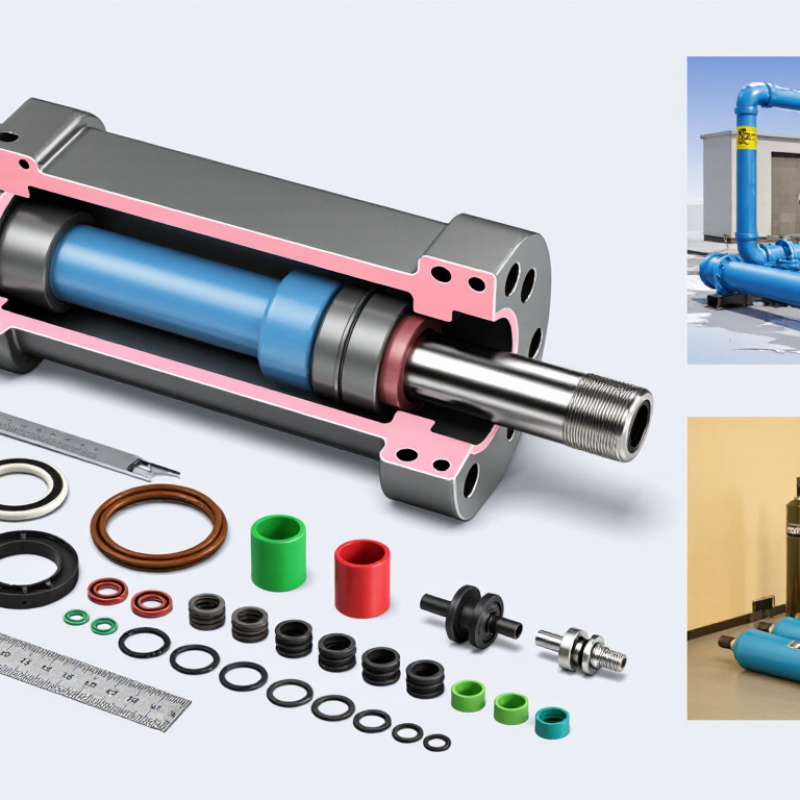
A cylinder seal kit usually contains several parts that work together to control fluid and keep contaminants out. The exact contents depend on the cylinder design, so buyers should check the parts list rather than assume every kit is alike. Common items include a piston seal, rod seal, wiper, O-rings, and backup rings. Some kits also include guide rings that help keep the piston or rod aligned inside the cylinder.
Each part has a distinct job. The piston seal limits fluid bypass between the cylinder’s two chambers. The rod seal helps prevent leakage where the rod exits, while the wiper scrapes dust and grit from the rod surface. Backup rings support seals under pressure, and O-rings may seal ports or end caps. Small parts matter. A missing wiper can let dirt reach the cylinder interior, even when the main seals are new.
Before buying, compare the kit’s dimensions and seal profile with the cylinder specifications. Check material compatibility with the working fluid, temperature, and pressure, too. A kit can look complete on the bench and still be the wrong fit. That is an easy detail to miss. During installation, keep parts clean and inspect the rod for scratches; a new seal may wear quickly against a damaged surface. Some kits include assembly lubricant, but not all do, so confirm the instructions before fitting the seals.
Why Are Cylinder Seal Kits Important for Buyers? - What a Cylinder Seal Kit Contains
| Typical Kit Component | Common Materials | Main Function | What Buyers Should Check |
|---|---|---|---|
| Piston seal | Polyurethane, NBR, PTFE, or other application-specific materials | Limits fluid bypass across the piston, helping the cylinder maintain pressure and move its load. | Confirm the seal profile, piston dimensions, fluid compatibility, pressure range, and operating temperature. |
| Rod seal | Often polyurethane, NBR, or PTFE-based materials | Seals around the moving piston rod to reduce hydraulic-fluid leakage from the cylinder. | Check rod diameter, seal-gland dimensions, pressure conditions, and the specified seal design. |
| Wiper or scraper | Commonly polyurethane or NBR | Wipes dirt, moisture, and other contaminants from the rod as it retracts, helping protect internal components. | Consider the operating environment and verify the wiper dimensions and style match the cylinder. |
| Wear ring or guide ring | Often fabric-reinforced composite or engineered polymer | Guides the piston or rod and helps prevent metal-to-metal contact under side loads. | Check the required location, width, thickness, and material; some kits do not include wear rings. |
| O-rings | NBR, FKM, or other elastomers selected for the application | Provide static sealing at joints such as end caps, ports, or other stationary interfaces. | Match the cross-section and inside diameter, and confirm compatibility with the fluid and temperature. |
| Backup rings | PTFE or other suitable polymer materials | Support an O-ring in applications where pressure may push the O-ring into an extrusion gap. | Confirm whether the design requires a backup ring and check its size and installation orientation. |
| Additional static seals | Material varies with the cylinder design and service conditions | Seal stationary interfaces that may be included in the cylinder's service or rebuild scope. | Compare the kit contents with the cylinder drawing, parts list, or service instructions before ordering. |
Buyer note: Kit contents are not universal. They vary by cylinder design, dimensions, seal arrangement, fluid, pressure, temperature, and service requirements. Confirm the cylinder specifications and parts documentation before purchase.