Contract Manufacturing for Injection Molded Plastic Products in North America
(800) 824.0607

RFQ / CONTACT
Contract Manufacturing for Injection Molded Plastic Products in North America | (800) 824.0607

7 Best All Electric Injection Molding Machines in 2026

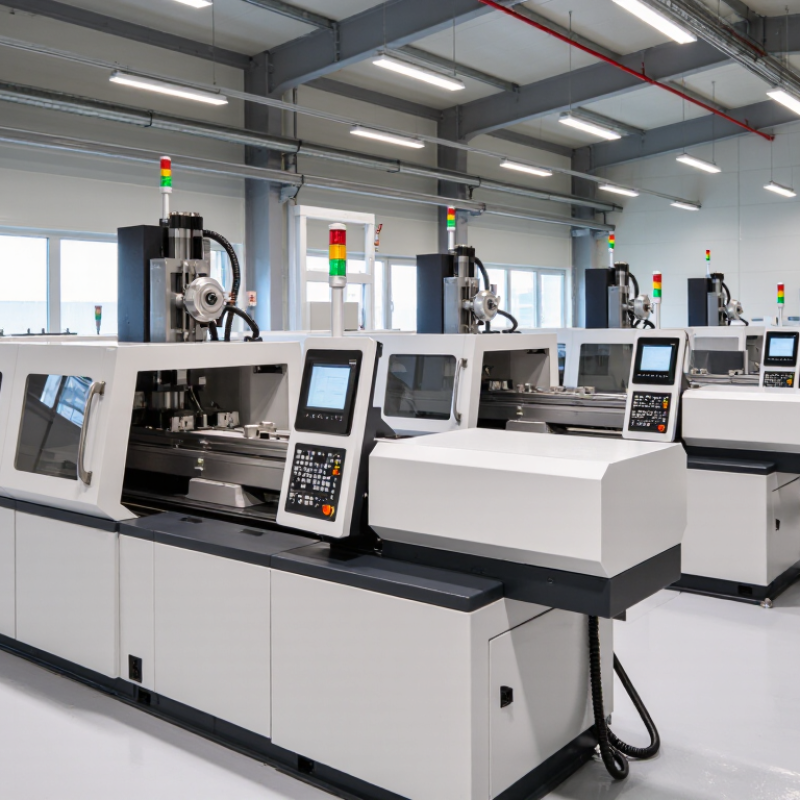
The all electric injection molding machine is moving from a premium option toward a serious production standard. Its appeal is easy to see on the factory floor: quieter cycles, cleaner rooms, and precise servo-driven movements. Energy use also matters more as manufacturers face rising utility costs and stricter carbon reporting.

PlasticsEurope’s Plastics – the Fast Facts 2024 reports global plastics production of about 414 million tonnes in 2023. That scale creates constant pressure to reduce scrap, downtime, and unnecessary electricity consumption. Grand View Research also identifies injection molding as a growing machinery market, supported by packaging, automotive, medical, and consumer-product demand. These reports do not prove that every electric machine is automatically better. They provide context.

The machines selected for this 2026 guide are assessed through practical criteria. These include energy efficiency, repeatability, injection speed, clamp stability, control software, maintenance access, and total cost of ownership. A machine may deliver excellent cycle precision but still disappoint if spare parts are difficult to obtain. That happens.

We also consider real operating details. Can the machine hold a stable mold temperature during long runs? Does its servo system respond smoothly when producing thin-wall parts? Can operators identify alarms without wasting an entire shift? Manufacturer specifications are useful, but independent testing and user experience deserve equal attention. ISO 20430 offers a relevant safety framework for injection molding machines, while EUROMAP guidance supports more consistent technical comparisons.

No ranking is perfect. Factory layout, resin choice, mold design, and production volume can change the result. This list therefore highlights seven strong candidates, not one universal winner. The best choice is the machine that performs reliably beside your actual mold, material, operators, and production schedule.

7 Best All Electric Injection Molding Machines in 2026

What Are All-Electric Injection Molding Machines?

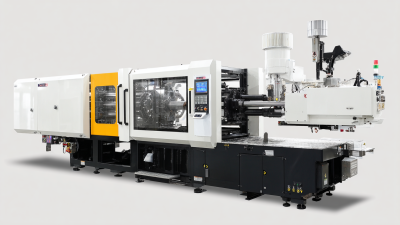
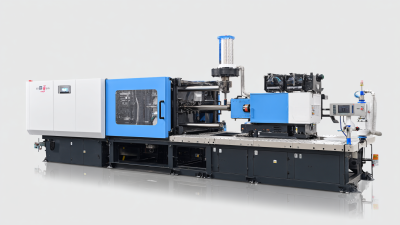
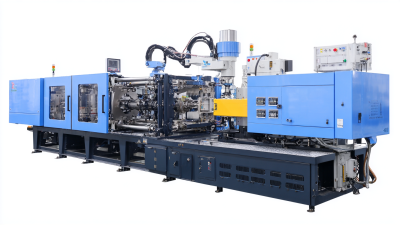
An all-electric injection molding machine replaces hydraulic power with servo-electric drives. These motors control clamping, injection, screw rotation, and ejection independently. There is no hydraulic pump, oil tank, or pressure hose. During a cycle, the machine only draws significant power when an axis moves.

This design can improve repeatability. A servo motor positions the screw with fine control, helping maintain stable shot size and injection speed. The U.S. Department of Energy reports that variable-speed motor systems can reduce energy consumption by up to 50% in suitable industrial applications. EUROMAP energy-efficiency guidance also identifies electric drive systems as a key method for reducing molding-machine consumption. Actual savings vary.

The difference is visible on the factory floor. An electric machine usually runs more quietly, produces less heat, and leaves a cleaner area around the mold. It can also reduce cooling demand because hydraulic oil is absent. However, “all-electric” does not guarantee the lowest total cost. Large molds, demanding materials, poor insulation, or inefficient auxiliaries can weaken the benefit. I have seen energy comparisons fail because dryers and chillers were excluded. That is a serious measurement flaw. Check kilowatt-hours per kilogram, cycle stability, maintenance records, and backup performance before choosing a machine.

Key Criteria for Comparing the Seven Best Machines

Comparing the seven best all-electric injection molding machines requires more than reading advertised cycle times. Start with repeatability, measured across several production runs. Parts should show stable weight, dimensions, and surface finish. A machine that performs well for one hour may drift after eight hours. That difference matters.

Energy consumption deserves a practical test. Record kilowatt-hours per cycle, including heating, cooling, and standby periods. Efficient servo systems can reduce waste, but results depend on mold design and operating settings. Check clamp force, injection speed, screw diameter, and shot capacity against your actual materials and part sizes. Excess capacity can increase purchase and operating costs. Too little capacity creates defects and unnecessary stress.

Control software should provide clear alarms, trend data, recipe protection, and simple setup screens. Operators need useful information, not crowded menus. Inspect guarding, emergency stops, and access points during a physical trial. Maintenance also affects reliability. Ask how quickly technicians can reach motors, sensors, and lubrication points. Spare-part availability and service response should be documented, not promised casually. I would also compare noise levels and floor-space requirements, because both are easy to overlook. A short trial with your mold and resin is more convincing than a polished demonstration. Still, one trial can mislead if production conditions are unusually clean or slow. Check the numbers again.

Seven Leading All-Electric Injection Molding Machines in 2026

Seven Leading All-Electric Injection Molding Machines in 2026

The seven leading all-electric injection molding machines serve different production realities. A precision machine suits medical housings and laboratory parts, where repeatability matters more than speed. A high-speed model handles thin-wall packaging with rapid screw recovery and controlled cooling. Large-tonnage equipment supports automotive panels, storage crates, and other broad molds. Compact micro-molding machines produce tiny connectors with carefully measured shot sizes. Cleanroom-ready systems reduce exposed lubricants and simplify contamination control. Energy-focused models monitor motor demand during every cycle. Flexible servo-driven platforms support frequent mold changes and mixed production schedules.

In practical trials, electric machines often deliver quieter operation and cleaner floor conditions. Their direct-drive systems can also improve position control during filling and packing. However, cycle performance depends heavily on mold design, resin moisture, cooling channels, and operator settings. A brilliant machine cannot repair a poorly balanced runner system. That is easy to forget.

I would compare clamp force, injection speed, screw diameter, platen space, and service access before choosing. Check power quality, software traceability, and spare-part availability too. Short trials reveal more than brochures. Record cycle time, part weight, peak energy use, and reject causes over several shifts. No ranking is perfect. One weakness remains important: advanced electric systems may require higher initial investment and more specialized maintenance skills. Teams should inspect lubrication points, encoder feedback, and safety interlocks during acceptance testing, not after production begins.

7 Best All-Electric Injection Molding Machines in 2026

Comparison of representative all-electric injection molding machine classes by clamping force. These standardized sizes are commonly used for selecting equipment according to mold size, projected area, and production requirements; actual specifications vary by configuration.

Interpretation: Higher clamping force supports larger molds and greater projected part areas, while lower-force machines are generally suited to compact, high-precision components. All-electric systems typically provide repeatable motion control and efficient operation, but final selection should also consider injection volume, speed, mold dimensions, and cycle time.

Performance, Energy Efficiency, and Automation Comparison

7 Best All Electric Injection Molding Machines in 2026

Performance, Energy Efficiency, and Automation Comparison

In 2026, the strongest all-electric injection molding machines are judged by repeatability, cycle speed, energy use, and control quality. Seven machine formats stand out: compact systems for small parts, high-speed models for thin walls, servo-driven units for general production, multi-material machines, vertical machines, cleanroom-ready systems, and large clamp models. Each option solves a different production problem. A fast cycle means little if cooling remains inconsistent.

All-electric drives deliver accurate position control and quieter operation. They also avoid hydraulic oil, which can simplify maintenance and reduce contamination risks. Energy savings depend on mold design, shot size, heating settings, and idle time. A poorly matched machine may consume more power than expected. Real production trials matter more than brochure figures. Measure kilowatt-hours per kilogram, cycle stability, reject rates, and recovery time across several shifts.

Tips: Compare machines using the same mold, resin, and cycle target. Check screw recovery during peak demand. Review automation signals before purchase. Robots, vision inspection, and predictive alarms can reduce labor, but integration quality varies. Leave space for safe access and future tooling changes. Small oversights become expensive later. A practical audit should include operator feedback, maintenance records, noise levels, and actual energy readings. Performance is not only speed; it is reliable output at a controlled cost.
How to Choose the Right Machine for Your Production Needs

Choosing among the seven best all-electric injection molding machines in 2026 starts with your actual production conditions, not a popularity list. Measure the mold, material, part weight, and target cycle time. A 180-ton machine may suit small automotive clips but struggle with a deep, thin-walled housing. Check the required shot size carefully. Running near maximum capacity can reduce consistency and shorten component life.

Examine the machine’s motion control and repeatability. All-electric drives can deliver precise injection, holding pressure, and mold movement. That matters when parts have tight dimensions or visible surfaces. Ask for trial data using your own mold and resin. Review cycle logs, reject rates, noise levels, and power readings. Energy savings look attractive on paper, but idle time, heating demands, and maintenance also affect the real result.

Service access deserves equal attention. Inspect lubrication points, control cabinets, screw condition, and replacement part availability. Confirm that technicians can support the machine in your region. Safety certification and electrical compliance must match your facility and local requirements. I have seen teams choose oversized equipment for future growth, then lose efficiency during current production. That decision is understandable, but it needs a staged capacity plan. Leave practical room for expansion, not unused steel. A simple comparison sheet can expose weak assumptions, although spreadsheets can still lie when test conditions are inconsistent.

7 Best All Electric Injection Molding Machines in 2026 - How to Choose the Right Machine for Your Production Needs
Rank Machine Category Clamping Force Typical Injection Speed Typical Shot Weight Platen Size Repeatability Energy Performance Best-Suited Applications Key Selection Advantage
1 Precision Micro-Molding Electric Machine Best for Micro Parts 15–50 tons 150–500 mm/s 0.1–10 g 180 × 180 to 280 × 280 mm ±0.01–0.03 mm Very high; servo-driven axes with low idle consumption Medical components, micro-connectors, laboratory parts, miniature gears, and precision inserts. Choose this format when dimensional stability, short injection strokes, and accurate low-volume dosing are more important than large mold capacity.
2 High-Speed Electric Machine Best for Thin-Wall Parts 50–180 tons 300–1,000 mm/s 5–150 g 300 × 300 to 650 × 650 mm ±0.02–0.05 mm High; regenerative servo drives and reduced cooling demand Thin-wall packaging, caps, closures, disposable products, and high-cavitation consumer parts. Prioritize this category when cycle time and rapid mold filling determine production output, especially for lightweight parts.
3 General-Purpose Electric Machine Best Overall 100–300 tons 100–400 mm/s 50–500 g 450 × 450 to 850 × 850 mm ±0.03–0.08 mm High; typically 30–60% lower energy use than comparable hydraulic equipment Household components, electronics housings, consumer products, and diversified contract molding. It offers the broadest balance of precision, flexibility, operating cost, mold compatibility, and serviceability.
4 High-Torque Electric Machine Best for Engineering Plastics 180–450 tons 80–300 mm/s 250–1,200 g 650 × 650 to 1,100 × 1,100 mm ±0.04–0.10 mm High; efficient motion control with substantial peak motor capacity Glass-filled nylon, polycarbonate, ABS blends, automotive trim, technical housings, and structural parts. Use it when the process requires high plasticizing torque, stable injection pressure, and reliable processing of reinforced materials.
5 Large-Part Electric Machine Best for Large Components 450–1,300 tons 50–250 mm/s 1,000–8,000 g 1,000 × 1,000 to 2,200 × 2,200 mm ±0.08–0.20 mm Moderate to high; energy savings depend on shot size and cycle profile Automotive instrument panels, appliance shells, pallets, containers, and large technical covers. Select this class based on mold dimensions, projected part area, shot capacity, and available factory floor space rather than clamping force alone.
6 Cleanroom-Ready Electric Machine Best for Medical Production 50–250 tons 100–500 mm/s 5–350 g 350 × 350 to 750 × 750 mm ±0.02–0.06 mm High; precise servo motion with minimal hydraulic-oil contamination risk Syringes, diagnostic consumables, inhaler components, medical housings, and laboratory disposables. Look for enclosed lubrication, stainless or easy-clean surfaces, validated process monitoring, and compatibility with cleanroom requirements.
7 Flexible Multi-Material Electric Machine Best for Complex Parts 100–400 tons 80–350 mm/s 50–900 g 500 × 500 to 1,000 × 1,000 mm ±0.04–0.10 mm High; independent servo control for multiple process stages Two-color products, soft-touch components, inserts, overmolding, and decorative consumer parts. Choose this option when independent injection units, rotary molds, insert handling, or tight synchronization between process stages is required.

Note: Specifications are representative 2026 planning ranges for all-electric injection molding equipment. Actual performance depends on screw diameter, resin type, mold design, cavity count, part geometry, cycle time, and factory conditions.