7 Best Small Plastic Molding Machines for Global Buyers?
Choosing the right small plastic molding machine is rarely as simple as comparing price tags. Global buyers must examine production volume, mold size, plastic material, power supply, and after-sales support. A compact machine may fit neatly beside a workbench, yet its clamping force could limit future products. That detail matters.
This guide reviews seven practical options for workshops, laboratories, startups, and small manufacturers. Each machine is considered through measurable factors, including injection accuracy, cycle consistency, energy use, safety features, maintenance access, and spare-parts availability. We also consider operating conditions across different markets, such as voltage requirements, language support, shipping arrangements, and local technical service. These points reflect common purchasing concerns reported by equipment users and manufacturing professionals.
Performance comes first.
A low purchase price can hide expensive downtime. A machine that runs quietly for several hours may still struggle with demanding engineering plastics or larger molds. Buyers should request sample testing, machine specifications, warranty terms, and clear installation guidance before ordering. Supplier claims deserve verification.
No machine is perfect. Some models offer excellent control but limited automation. Others provide strong output but require more floor space or operator training. The final ranking may remain debatable because production goals differ widely. Still, this comparison aims to provide a reliable starting point, using practical evidence rather than marketing language. Whether you need prototype parts, packaging components, or short production runs, these seven choices can help narrow the search with greater confidence.
What Are Small Plastic Molding Machines and How Do They Work?
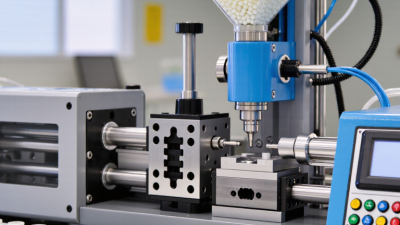
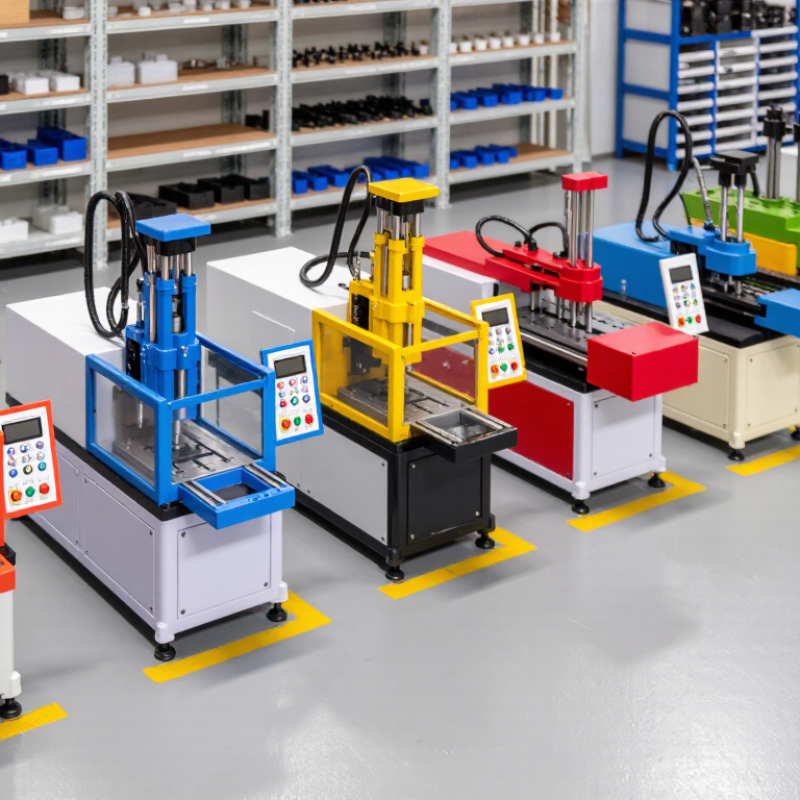
Small plastic molding machines are compact systems that turn plastic pellets into shaped parts. They heat, melt, and inject material into a metal mold under controlled pressure. A typical unit includes a hopper, heated barrel, injection screw, clamping system, mold, and control panel. The clamp keeps both mold halves closed while the plastic fills the cavity. Cooling then hardens the part before ejection.
The operating cycle is precise but easy to misunderstand. Pellets enter the barrel and move forward as the screw rotates. Heat and friction create a consistent melt. The screw then pushes that melt into the mold. After cooling, the machine opens the mold and releases the finished piece. Cycle time depends on material, wall thickness, mold design, and cooling efficiency. Small errors can create short shots, flash, sink marks, or warped edges.
In practical workshops, these machines suit prototypes, repair parts, packaging components, and low-volume production. Their smaller footprint can reduce workspace and energy demands, but capacity remains limited. Buyers should check injection volume, clamping force, mold dimensions, voltage, temperature control, and spare-part access. Operator skill also matters. A clean hopper and stable settings often improve results more than higher pressure. The process is not perfectly forgiving. Moisture, uneven pellets, or poor venting can quickly affect quality. Some first-time users focus on machine size and overlook mold compatibility. That mistake deserves careful review before purchase.
7 Best Small Plastic Molding Machines for Global Buyers
Small plastic injection molding machines are commonly selected by comparing clamping force and maximum injection shot capacity. The chart below presents representative specifications for seven machine-size classes used in small-part production, prototyping, packaging, and technical components.
Typical benchmark values: clamping force is measured in metric tonnes, while maximum injection shot capacity is shown in grams of polystyrene equivalent. Actual specifications vary by screw diameter, plastic material, mold design, and machine configuration.
Key Criteria for Choosing a Small Plastic Molding Machine
Choosing a small plastic molding machine requires more than comparing purchase prices. The right model should match your material, part size, production volume, and available workspace. Check the maximum injection weight and mold dimensions carefully. A machine that looks compact may still need substantial clearance for installation and maintenance.
Energy use matters for small workshops. Look for efficient heating zones, stable temperature control, and adjustable injection pressure. These features can reduce waste and improve repeatability. Operators should also examine control-panel clarity, safety guards, emergency stops, and access to replacement parts. For global buyers, confirm voltage compatibility, technical documentation, service response, and shipping requirements. These details often cause delays.
Tips: Request sample parts before ordering. Test your actual resin and mold. Ask for noise levels, cycle-time data, and maintenance intervals. Keep a small allowance for future production changes. My own caution is simple: theoretical capacity can feel impressive, but real output may fall when cooling time, trimming, and operator movement are included. A transparent supplier should provide test conditions, tolerances, and training materials. Also inspect the machine’s frame, hydraulic or servo system, and software language options. Smaller equipment is not automatically easier to operate.
Machine Comparisons by Capacity, Technology, and Application
7 Best Small Plastic Molding Machines for Global Buyers?
Choosing the best small plastic molding machine depends on capacity, technology, and application. Grand View Research estimates the global injection molding machine market reached about USD 16.6 billion in 2023. Compact equipment is gaining attention as manufacturers seek lower energy use and faster setup.
Capacity matters first.
A 20–40 ton micro-injection machine suits medical components, laboratory parts, and miniature connectors.
50–80 ton benchtop servo-electric machine
handles caps, housings, and small technical parts.
Seven practical choices cover different production needs:
-
Micro-injection
-
Benchtop servo-electric
-
Compact hydraulic
-
Vertical insert
-
Two-color
-
All-electric
-
Hybrid machines
Micro-injection systems reduce material waste. Servo-electric models offer repeatable dosing and quieter operation. Hydraulic machines remain useful for moderate budgets and simple parts. Vertical machines simplify insert molding, especially for metal contacts. Two-color units support grips and visual components. All-electric systems deliver clean operation and precise control. Hybrid machines balance force, speed, and investment.
Application should guide the final comparison. For small batches, a 15–30 ton machine may be more economical than a larger press. For continuous packaging work, 60–100 tons can provide better cycle stability.
PlasticsEurope reported global plastics production of approximately 414 million tonnes in 2023, showing the scale of the industry. Yet market reports often overlook installation space, operator skill, and local service access.
That is a weakness. Buyers should test the actual resin, mold, cycle time, and power supply before selecting equipment.
Small does not always mean simple.