2026 Top Press Molding Machine Types for Global Buyers?
Choosing a press molding machine in 2026 requires more than comparing tonnage, price, or delivery time. Global buyers must examine material behavior, mold dimensions, cycle stability, energy use, automation, and after-sales support. A machine that performs well for SMC panels may struggle with rubber seals or high-temperature thermosets. The details matter.
Dr. James L. Throne, a respected polymer-processing specialist, is often associated with a practical principle: “The machine must serve the process, not the other way around.” That idea remains useful. Buyers should match the press structure with the real production task. Hydraulic presses offer proven force control. Servo-hydraulic systems can reduce wasted energy. Mechanical presses may support fast, repeatable cycles. Electric systems can provide clean operation and accurate positioning. Specialized machines also support compression molding, transfer molding, rubber molding, and composite production.
This guide reviews the top press molding machine types expected to attract global attention in 2026. It considers working pressure, platen size, heating method, control systems, maintenance access, and operator safety. It also compares practical applications, from automotive parts and electrical housings to kitchenware and industrial components. A lower purchase price is not always a lower operating cost. Sometimes, it becomes an expensive lesson. Buyers may also overlook local technician availability, spare-part lead times, or voltage compatibility. That mistake is common.
The best decision combines production evidence with supplier credibility. Request sample parts, cycle data, inspection records, and a clear warranty. Avoid relying on polished brochures alone. Real factories are less perfect. Their problems reveal the machine’s true value.
What Is a Press Molding Machine?
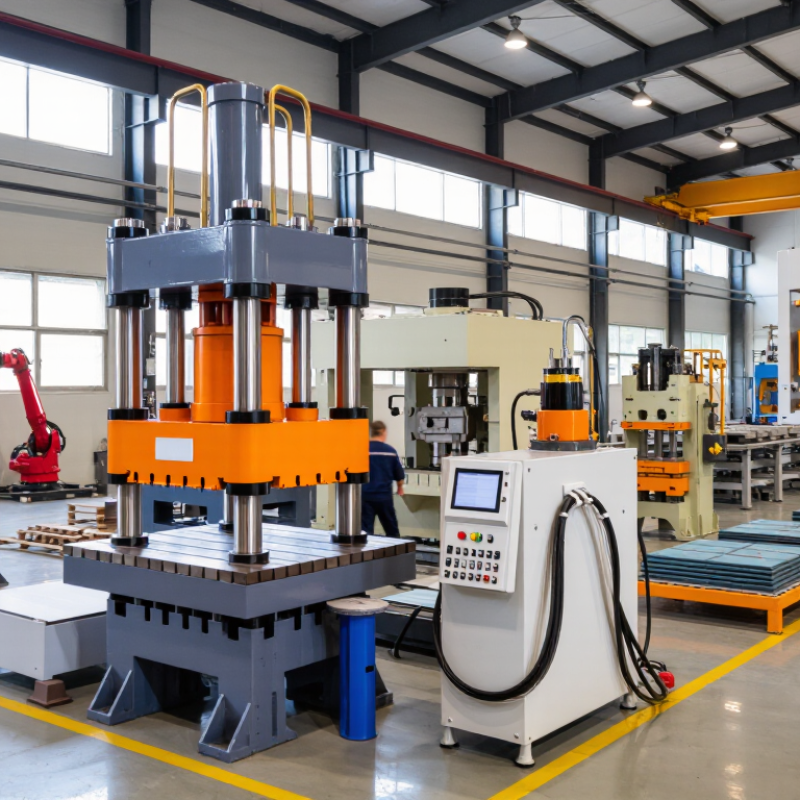
A press molding machine is industrial equipment that forms material inside a shaped mold. It applies controlled pressure, heat, or both to create consistent parts. The mold sits between two rigid platens, which open and close through hydraulic or servo-electric movement. When the mold closes, pressure distributes the material across the cavity. Heating elements then support curing or softening. Some machines also control cooling before ejection. Not every press suits every material.
In production, an operator loads a measured charge into the lower mold half. The upper platen descends and compresses the charge against the cavity surface. Dwell time, mold temperature, and pressure affect strength, dimensions, and surface finish. Thermoset compounds usually require heat for chemical curing. Fiber-reinforced materials need careful pressure control to limit voids. Uneven charge placement can cause thin edges or excess flash. The first trial is rarely perfect.
Global buyers should assess required force, working area, daylight opening, and temperature stability. Required force depends on projected part area and material behavior. A larger press is not automatically better. It may consume more energy and require stronger foundations. Safety doors, two-hand controls, emergency stops, and reliable guarding deserve close inspection. Ask for repeatability data, maintenance records, and documented testing procedures. Published cycle times can look attractive, but real production often changes them. A careful buyer checks sample parts under actual material and mold conditions.
How Press Molding Machines Work Step by Step
2026 Top Press Molding Machine Types for Global Buyers?
How Press Molding Machines Work Step by Step
A press molding machine turns measured material into a stable part through heat, pressure, and controlled cooling. Common 2026 choices include hydraulic, mechanical, servo-electric, compression, and transfer presses. Their hardware differs, but the cycle follows a clear sequence. MarketsandMarkets projects the global composites market to reach about $177.6 billion by 2029. That growth increases demand for repeatable molding, not simply larger tonnage.
An operator loads pellets, preforms, or sheet material into an open, heated mold. Sensors check material position and mold temperature. The platen closes, then applies programmed force. Hydraulic systems build pressure smoothly, while mechanical systems often close faster. During dwell, heat softens the resin and pressure reduces voids. Transfer molding pushes material through runners into cavities. Compression molding forms material directly between mold halves. Cooling follows. Ejector pins release the part after its dimensions stabilize.
Cycle records track temperature, pressure, closing speed, dwell time, and energy use. The IEA’s Energy Efficiency 2024 report states that industry used about 37% of global final energy in 2022. Therefore, idle losses deserve attention. Servo-electric drives may reduce hydraulic losses, but savings depend on duty cycle and maintenance. A perfect cycle on paper can still fail beside a cold mold or inconsistent preform. I have seen this overlooked. Verify trials with production material, not showroom samples.
Main Types of Press Molding Machines in 2026
Main Types of Press Molding Machines in 2026
Hydraulic press molding machines remain widely used for thermoset plastics, rubber parts, and composite panels. They deliver high forming force and stable pressure over longer cycles. Their strong frames suit large molds and deep components. However, hydraulic systems need regular checks for oil leakage, seals, temperature, and pressure accuracy. Energy use can also become significant during continuous production.
Mechanical presses use flywheel energy and crank mechanisms for rapid, repeatable molding. They fit higher-volume work with relatively consistent part sizes. Servo-electric presses offer cleaner operation, precise movement, and better control over acceleration and dwell time. They may reduce energy consumption, but their purchase cost and maintenance skills can be higher. Vacuum compression presses help remove trapped air from composite materials, improving surface quality and reducing voids.
Tips: Match the machine to material behavior, mold size, required force, cycle time, and factory power conditions. Ask suppliers for measured data, not only catalog ratings. Check platen parallelism, safety systems, spare-part access, and operator training. Small details matter. Test actual material samples whenever possible. A machine that performs well with one resin may struggle with another formulation. Buyers should also review regional electrical standards and technical support coverage. No machine fits every factory. Even experienced teams sometimes underestimate mold-change time, which can quietly reduce output.
2026 Top Press Molding Machine Types for Global Buyers
Main press molding machine types compared by their typical rated forming or clamping-force range. Actual specifications vary by material, mold size, product geometry, and machine configuration.
Typical industry ranges shown in metric tons; the chart is intended as a practical 2026 buyer reference rather than a specification for a particular supplier or brand.
Key Specifications for Global Machine Buyers
2026 Top Press Molding Machine Types for Global Buyers
For global buyers, machine selection starts with measurable specifications, not attractive photographs. Hydraulic, mechanical, and servo-hydraulic presses suit different production needs. Hydraulic models provide steady pressure for deep compression molding. Mechanical presses can deliver faster cycles for repeatable, high-volume work. Servo-hydraulic systems may reduce energy use, but actual savings depend on duty cycles and maintenance quality.
Clamping force is a critical figure. Calculate it from projected mold area, material behavior, and safety margin. A 1,000-ton press may be excessive for a small component, while an undersized machine can produce flash and unstable parts. Check platen dimensions, daylight opening, ram stroke, and mold weight limits. Leave enough space for loading tools and future mold changes. Small details matter.
Temperature control should include independent zones, sensor accuracy, and stable heating around the mold surface. Ask for cycle-time data from similar materials, not laboratory claims. Review motor power, hydraulic oil filtration, electrical voltage, and control-system language options. Safety doors, light curtains, emergency stops, and documented risk assessments should be verified before purchase. I have seen projects overlook local power conditions and lose weeks during installation. That mistake is avoidable, although specifications alone cannot predict every factory problem. Request drawings, manuals, spare-parts lists, and operator training in writing. Check service response times across borders. A low purchase price can become expensive when support is distant.
How to Select the Right Press Molding Machine by Application
Choosing the right press molding machine starts with the application, not the advertised tonnage. Define the material, part size, wall thickness, and expected output first. Thermoset components often need controlled heat and steady pressure. Thermoplastic parts may require faster cycles and stronger temperature control. Rubber products need careful attention to curing time and mold ventilation. Small parts can use compact machines. Large structural components demand a wider bed and higher stroke capacity.
Mechanical presses suit fast, repeatable production with stable loads. Hydraulic presses provide flexible pressure control and longer dwell times. Servo-driven systems can reduce energy use during variable production, but their value depends on cycle patterns. Check the required forming force with a qualified engineer. A simple tonnage estimate can fail when material flow is uneven. It happens more often than buyers expect.
Review the mold dimensions against the daylight, bolster area, and slide movement. Leave room for safe loading and future tooling changes. Ask for measured cycle data, not only catalog figures. In factory evaluations, I also inspect guarding, emergency stops, access points, and maintenance space. These details affect uptime. Automation may improve consistency, yet it can add setup complexity. Run sample trials with your actual material and mold whenever possible. A machine that performs well in a demonstration may behave differently on a dusty production floor. Some selection decisions still need revision after the first month.