Contract Manufacturing for Injection Molded Plastic Products in North America
(800) 824.0607

RFQ / CONTACT
Contract Manufacturing for Injection Molded Plastic Products in North America | (800) 824.0607

Top Horizontal Injection Molding Machines in 2026?

Choosing a top horizontal injection molding machine in 2026 is not just a search for the biggest clamp force or fastest cycle. The right choice depends on the part, resin, production volume, available floor space, and the skill of the people running it. A machine molding thin-wall packaging has different demands from one producing thick, load-bearing components. Small details matter.

This guide compares machines and manufacturers through practical buying criteria: clamping force, injection capacity, repeatability, energy use, control systems, service access, and after-sales support. It also considers whether hydraulic, all-electric, or hybrid designs suit different production needs. Published specifications can help narrow the field, but they do not tell the whole story. A promising cycle-time figure, for example, may depend on a particular mold, material, and operating setup.

For a fair comparison, buyers should check current model data directly with manufacturers and request application-specific recommendations. Ask how the machine performs with your intended resin and mold, and clarify what is included in the quoted configuration. Even a well-regarded horizontal injection molding machine may be a poor fit if its tie-bar spacing, shot size, or service requirements do not match the plant. There is no universal winner. Some comparisons also remain imperfect: public data is not always presented in the same way, so close rankings deserve a second look.
Top Horizontal Injection Molding Machines in 2026?

What Defines a Horizontal Injection Molding Machine?

What Defines a Horizontal Injection Molding Machine?

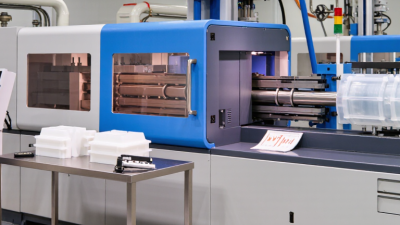
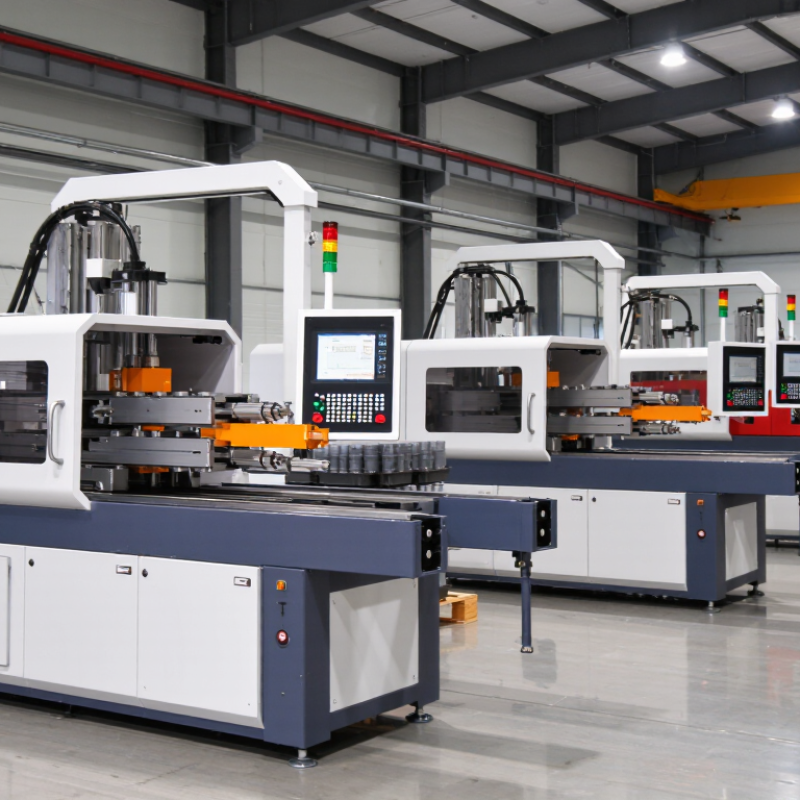
A horizontal injection molding machine places its clamping and injection units along a horizontal axis. The mold halves meet from the sides, held between two platens. During a cycle, molten polymer is injected into the closed mold, cooled, and released when the clamp opens. The part often drops onto a conveyor or into a collection bin.

That matters.

“Horizontal” describes the machine’s layout, not its drive system. A horizontal model may use hydraulic, electric, or hybrid actuation. Buyers should also check clamp force, shot capacity, tie-bar spacing, mold thickness range, and platen dimensions. These determine whether a specific mold fits and runs reliably. A clear floor plan helps, too: operators need room for mold changes, guarding, and downstream equipment.

Grand View Research’s 2024 injection molding machine market report estimated the global market at USD 10.6 billion in 2023, with projected growth through 2030. This figure covers injection molding machines overall, not horizontal models alone. It signals a substantial equipment market, but does not identify the right configuration for every factory. Horizontal machines can suit high-volume production and automated part handling, yet their footprint may be a drawback in crowded work cells. Not always. Even experienced teams can underestimate the clearance required for mold service.

How Horizontal Injection Molding Machines Work

A horizontal injection molding machine turns solid plastic pellets into repeatable parts through heat, pressure, and controlled cooling. Pellets drop from a hopper into a heated barrel. A rotating screw conveys them forward and melts them, while its gradual backward movement gathers a measured shot. The screw then advances, forcing molten plastic through a nozzle and into a closed mold. The clamp must hold the mold shut against injection pressure. A small gap can cause flash.

PlasticsEurope’s 2024 report, Plastics—The Fast Facts, estimates global plastics production at 413.8 million tonnes in 2023. That figure describes the wider materials industry, not injection molding alone, but it shows the scale behind efficient processing. Inside the mold, plastic fills the cavity, then remains under holding pressure as the material shrinks during cooling. Then comes cooling. The clamp opens, and ejector pins push out the part.

Operators monitor melt temperature, injection speed, pressure, and cooling time. These settings interact; changing one can affect dimensions, surface finish, or cycle time. Sensors and process records help identify drift, though they cannot replace careful mold checks. This is the tidy version. Real cycles are less tidy: material moisture, worn components, and uneven cooling can all create defects. Small details matter.

Top Horizontal Injection Molding Machines in 2026? - How Horizontal Injection Molding Machines Work

Machine Section How It Works Key Data Monitored Role in the Molding Cycle
Clamping unit Holds the two mold halves together during injection and opens the mold for part removal. Common clamping systems include toggle, hydraulic, and direct-drive designs. Clamping force, clamp position, mold-open distance, and cycle time Resists the pressure of injected plastic and keeps the mold closed while the part is formed.
Injection unit A rotating screw conveys and melts plastic pellets in a heated barrel. The screw then moves forward to inject the prepared melt through the nozzle into the mold. Screw speed, injection pressure, injection speed, and screw position Plasticizes the material and delivers a controlled shot into the mold cavity.
Feed system and hopper Feeds plastic pellets into the rear of the barrel. Some materials require drying before processing to reduce moisture-related defects. Material type, feed rate, and dryer temperature or dew point when drying is required Supplies consistent material to the injection unit.
Heated barrel and screw Barrel heaters and mechanical shear help bring the polymer to a processable melt. Temperature settings depend on the resin and its supplier’s processing guidance. Barrel-zone temperatures, melt temperature, and screw back pressure Produces a sufficiently uniform melt without relying on heater settings alone to define melt condition.
Mold and cooling circuit The mold shapes the part. Cooling channels carry water or another temperature-control fluid through the mold to remove heat and help the part solidify. Mold temperature, coolant temperature, flow, and cooling time Controls part formation, solidification, and the time required before ejection.
Ejector system Ejector pins, plates, or other mold mechanisms push the solidified part out after the mold opens. Ejector position, stroke, speed, and number of ejection actions Releases the molded part while limiting damage to the part and mold.
Machine drive and controls Hydraulic, all-electric, and hybrid machines use different drive arrangements to move machine axes. The controller coordinates the sequence and stores process settings. Energy use, axis position, pressure, speed, alarms, and cycle time Controls repeatable movement and process monitoring; the most suitable drive type depends on the application.
Typical cycle sequence Clamp mold → inject melt → pack and hold → cool → open mold → eject part. Stage duration, pressure profile, temperature, and part quality Repeats the sequence to produce parts; actual settings vary with the resin, mold, machine, and part design.

Selection note: There is no single universally “top” horizontal injection molding machine. Compare machines by required clamping force, shot capacity, mold dimensions, material compatibility, cycle requirements, automation needs, energy use, and available service. Confirm specifications with the machine supplier and resin supplier.

Key Types, Components, and Performance Specifications

Horizontal injection molding machines are commonly grouped as hydraulic, all-electric, and hybrid. Hydraulic models deliver high clamping force for large molds; all-electric drives offer precise, repeatable movements. Hybrid machines combine hydraulic force with electric control, though their performance depends heavily on setup. Small differences matter.

PlasticsEurope’s Plastics—the Fast Facts 2023 reported 400.3 million tonnes of global plastics production in 2022. That scale makes machine efficiency and consistency practical concerns, not just brochure claims. Compare clamp force with projected mold area and cavity pressure. Then check shot capacity, screw diameter, injection pressure, injection speed, and tie-bar spacing against the actual part and mold. EUROMAP 60.1 provides a standardized method for measuring injection molding machine energy consumption, helping buyers compare figures on a more consistent basis.

The core assembly includes the clamping unit, injection unit, screw and barrel, drive system, mold, and controller. Review cycle time alongside melt temperature, cushion stability, and part-weight variation; one fast cycle means little if scrap rises. A specification sheet can still mislead. Ask for energy use under a defined operating cycle, not an unloaded machine test, and verify results with the intended resin and mold. Real production conditions are messy.

Leading Horizontal Injection Molding Machines to Consider in 2026

Top Horizontal Injection Molding Machines in 2026?

Leading horizontal machines in 2026 are best compared by process fit, not headline tonnage. All-electric models can suit operations needing repeatable movement and precise control. Hybrid machines combine electric motion with hydraulic clamping or injection, depending on configuration. Hydraulic models may fit demanding applications, but energy use and maintenance depend on the machine and process. Check current specifications with the manufacturer; configurations vary.

For consistent parts, match clamp force to the projected area and material requirements. Then check shot capacity, screw design, mold dimensions, and cycle stability. A machine that looks fast on paper may not hold the same quality across long production runs. Track actual cycle time, scrap, and energy per acceptable part during trials. Small process differences matter.

Tips: Confirm tie-bar spacing, platen size, opening stroke, and ejector force before choosing a model. Ask for a trial using your mold and resin. Review service access and spare-part availability, too. Easy to miss. And one honest caveat: no single machine type is best for every factory.

Top Horizontal Injection Molding Machines to Consider in 2026

Compare common horizontal-machine clamping-force bands when narrowing down equipment size. These ranges are a practical selection guide, not a model ranking or a standardized classification.

Clamping force is shown in metric tonnes-force (tf). Actual machine specifications and suitable capacity depend on the manufacturer, mold, resin, and application; confirm requirements with equipment suppliers. The final band is displayed to 5,000 tf.

How to Compare Machines for Different Production Needs

Top Horizontal Injection Molding Machines in 2026?

How to Compare Machines for Different Production Needs

Choosing a horizontal injection molding machine starts with the part, not the largest tonnage on a sales sheet. Check projected area, resin behavior, cavity count, and expected injection pressure with a process engineer. Clamp force must keep the mold closed without oversizing the machine and increasing energy costs. Shot size matters too: a part using very little of the barrel’s capacity may experience inconsistent melt residence. Small details count. Include runners, cushion, and normal process variation when matching shot capacity.

Production volume changes the comparison. For frequent changeovers, compare mold access, setup time, and how easily operators can reach connections and controls. For long runs, examine cycle consistency, cooling capacity, automation compatibility, and maintenance access. A machine that runs quickly on paper may not deliver the best output if mold changes take hours. Check tie-bar spacing and platen dimensions against the actual mold, not a typical one. Ask for cycle data using similar materials and part geometry, then verify it during a trial. Estimates can still miss real shop-floor conditions. Also consider local service support, spare-part lead times, and operator training. The right choice is usually a practical fit, though production forecasts are rarely perfect.