Contract Manufacturing for Injection Molded Plastic Products in North America
(800) 824.0607

RFQ / CONTACT
Contract Manufacturing for Injection Molded Plastic Products in North America | (800) 824.0607

Why Choose a Hydraulic Injection Moulding Machine?

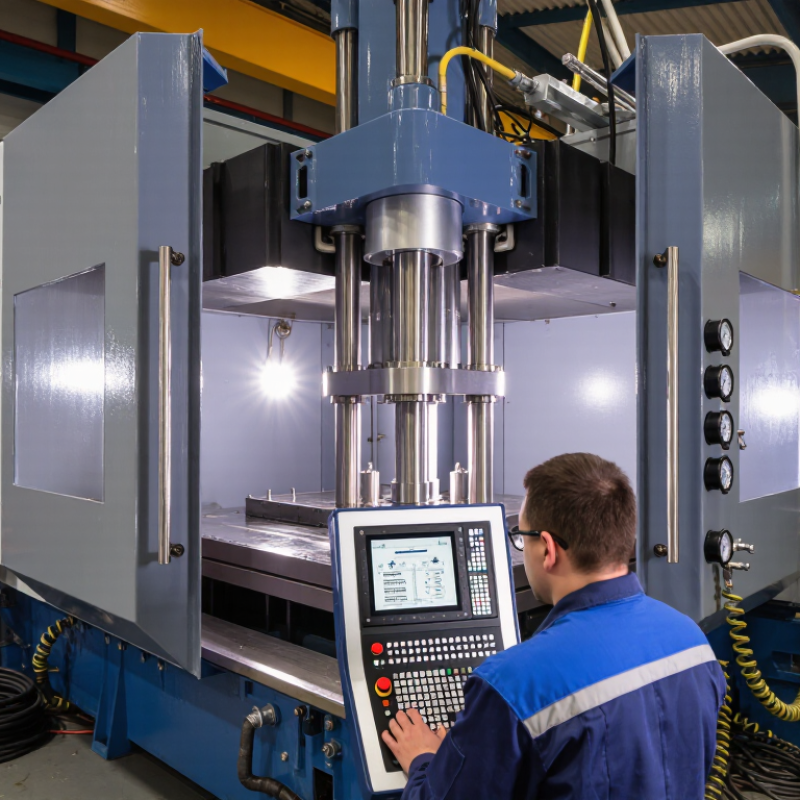
Choosing a hydraulic injection moulding machine is often a practical decision, not simply a preference for older technology. Hydraulic systems can deliver strong clamping force and stable injection pressure, which matters when producing larger parts or running demanding moulds. Their familiar controls and broad service support can also make maintenance easier for experienced production teams. In a busy factory, that familiarity counts.

The right machine still depends on the job. A shop evaluating one should compare required clamping force, shot size, material, cycle time, and expected production volume. Oil temperature, filtration, and seal condition deserve attention too, since neglected maintenance can affect performance and operating costs. These details are easy to overlook. They should not be.

For some applications, a hydraulic press offers a capable balance of purchase cost, flexibility, and force. However, it may use more energy than an electric model, particularly when the machine spends long periods waiting between cycles. Actual consumption depends on the machine design and how it is operated, so published estimates should be checked against production data. No option wins every time. A careful comparison should include the mould, factory conditions, service access, and total cost over the machine’s working life. Even then, a first estimate may need revision after real parts run. That is a normal part of choosing equipment responsibly.
Why Choose a Hydraulic Injection Moulding Machine?

What Is a Hydraulic Injection Moulding Machine?

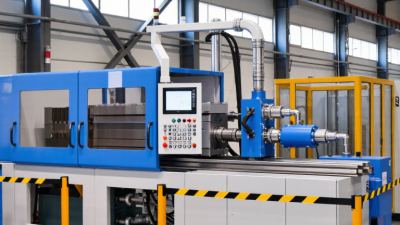
A hydraulic injection moulding machine uses pressurised fluid to power key movements during the moulding cycle. A motor drives a pump, which sends oil through valves to cylinders or hydraulic motors. These components close the mould, move the injection unit, drive the screw forward, and operate the ejector. The plastic is heated and melted in the barrel; hydraulic force controls how it enters the mould. That distinction matters.

The operator sets parameters such as injection pressure, speed, holding pressure, and clamp force. Sensors and the control system help repeat these settings, though material changes, oil temperature, and mould condition can affect results. On a production floor, a technician may notice slower movement after the machine has warmed up. It is a clue, not a diagnosis. Leaks, worn seals, or incorrect settings may also cause variation.

Hydraulic machines are valued for strong clamping force and flexible control across many mould sizes. Some use variable-displacement pumps or servo-driven hydraulic systems to reduce energy use, but performance depends on the design and process. They need clean oil, filtration, and routine checks of hoses and seals. Maintenance takes attention. A tidy specification sheet does not tell the whole story; understanding the hydraulic circuit helps connect cycle settings with actual movement, but the machine still needs evaluation under the intended material and mould conditions.

How Does Hydraulic Injection Moulding Work?

Why Choose a Hydraulic Injection Moulding Machine?

How Does Hydraulic Injection Moulding Work?

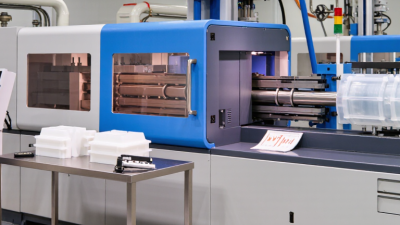
Hydraulic injection moulding turns plastic pellets into shaped parts through heat, screw movement, pressure, and controlled cooling. Pellets fall from a hopper into a heated barrel, where a rotating screw conveys and melts them. The screw also gathers a measured shot near the barrel’s front. Then comes injection. Hydraulic pressure drives the screw forward, forcing molten plastic through a nozzle and into a closed mould cavity. The clamp keeps the mould halves firmly together as the cavity fills.

After filling, the machine maintains holding pressure to compensate for shrinkage while the plastic cools and stiffens. Cooling time depends on resin, wall thickness, mould temperature, and part geometry; one setting rarely fits every job. Once the part is solid enough, the clamp opens and ejector pins push it free. A small gate mark may remain.

Operators watch pressure readings, cycle sounds, and part dimensions, then adjust settings carefully rather than chasing speed alone. Hydraulic systems can deliver strong, adjustable force, but warm oil and seal wear deserve attention. The process looks simple from outside. Inside, timing matters.

Which Components Control Its Moulding Process?

Why Choose a Hydraulic Injection Moulding Machine?

Which Components Control Its Moulding Process?

A hydraulic injection moulding machine depends on several components working together. The pump supplies oil, while control valves regulate its flow and pressure. A hydraulic cylinder moves the screw or clamping unit. An accumulator stores energy for rapid injection. Small valve delays can change the filling speed. That matters.

The controller sets injection speed, holding pressure, screw recovery, and clamp force. Pressure and position sensors report whether the machine follows those settings. Barrel heaters and mould temperature circuits also affect melt flow and cooling, though they are not hydraulic components.

Plastics Europe’s Plastics—The Fast Facts 2023 reports global plastics production of 400.3 million tonnes in 2022. This shows the industry’s scale, not the performance of any machine.

In practice, check oil temperature, filter condition, and pressure readings together. A clean pressure trace can still mislead. I would not blame the controller too quickly; sensor drift or a worn seal may be the real cause. Maintenance records are not always complete, either.

What Advantages Does Hydraulic Power Offer?

Hydraulic power delivers high force through a compact system of pumps, valves, and cylinders. In injection moulding, that force can support strong clamping and steady injection pressure, especially when producing larger parts or working with viscous materials. The machine can apply substantial pressure without relying on a fast, high-impact motion. Steady pressure matters.

Operators can adjust hydraulic pressure and flow to suit different moulds and resin conditions. For example, a change in wall thickness may call for a slower fill or a different pressure profile. Responsive controls help make those adjustments practical, though results still depend on setup and process monitoring. Hydraulic systems are also familiar to many maintenance teams. Checking oil temperature, filter condition, and hose connections can help prevent avoidable downtime. Small leaks deserve attention.

There are trade-offs. Pumps may consume energy while idle, and warm oil can affect cycle consistency if temperature control is poor. I would not treat hydraulic power as automatically more reliable or economical; machine condition and production needs matter. Its useful advantage is force with adjustable control, not a guarantee of perfect parts.

Which Applications Suit Hydraulic Injection Moulding?

Which applications suit hydraulic injection moulding? The strongest fit is often a production cell needing high clamping force, robust operation, and flexible process settings. Think large appliance housings, automotive interior panels, industrial enclosures, and thick-walled parts. These components may need sustained pressure during filling and packing. Hydraulic systems can also suit moulds with core pulls or other auxiliary movements. The exact fit depends on cycle time, part tolerances, and energy costs.

Market context matters. PlasticsEurope’s Plastics—The Fast Facts 2024 reports global plastics production of 413.8 million tonnes in 2023. That figure covers many uses, not just injection moulding, but it signals the scale of demand for processed plastic products. Packaging, transport, construction, and electrical goods all use moulded components. For high-volume, lightweight packaging with very short cycles, however, an all-electric machine may be more attractive because it can reduce energy use and improve repeatability.

Hydraulic machines remain practical for heavy-duty jobs and plants that value familiar maintenance procedures or lower initial equipment costs. They are not automatically the economical choice. Pump efficiency, oil temperature, leakage control, and idle time affect operating costs. A useful selection test is to compare actual cycle data and energy consumption using the intended mould and resin. Small differences matter. And estimates can be wrong. A machine that looks suitable on paper may struggle with a demanding tolerance or an unexpectedly long cooling stage.

Why Choose a Hydraulic Injection Moulding Machine? – Which Applications Suit Hydraulic Injection Moulding?
Application Typical Products Indicative Clamping Force Suitability Why Hydraulic Moulding Can Suit the Application Key Consideration
Automotive components Interior panels, covers, housings, and selected exterior parts About 300–3,000 tonne-force High for large or complex parts Hydraulic systems can provide substantial clamping force and support moulds with multiple hydraulic cores or slides. Required force depends on projected part area, cavity pressure, resin, and mould design. Large machines may use considerable energy.
Large appliance parts Washer panels, refrigerator liners, and appliance housings About 500–2,500 tonne-force High Suitable for large moulds and parts that need strong, sustained clamping during injection and packing. Check platen size, tie-bar spacing, mould weight limits, and the machine’s available injection capacity.
Industrial and equipment housings Enclosures, pump covers, electrical boxes, and machine guards About 100–1,000 tonne-force High for robust, complex tooling Hydraulic core pulls and other auxiliary functions can be integrated for moulds with moving elements. For tight dimensional tolerances or high output, compare process consistency and cycle performance with electric or hybrid alternatives.
Crates, pallets, and reusable containers Stackable crates, material-handling bins, and reusable transport products About 500–2,500 tonne-force High for large moulds High clamping force and the ability to accommodate large moulds can be useful for bulky, durable products. Large parts can require high plasticizing capacity and careful cooling design; cycle time depends heavily on wall thickness and material.
Rubber and thermoplastic elastomer parts Seals, gaskets, flexible covers, and vibration-control components About 50–800 tonne-force Moderate to high Hydraulic control can support mould operations that require auxiliary movements and sustained pressure. Machine configuration must match the material and process. Some elastomers require specialised temperature control or curing equipment.
Thin-wall packaging Food containers, lids, and lightweight packaging components About 100–1,000 tonne-force Moderate; application-dependent Hydraulic machines can be used where the available injection speed, pressure, and tooling configuration meet production requirements. Very high-volume, short-cycle work often benefits from a purpose-selected high-speed electric or hybrid machine; compare energy use and cycle time.

Clamping-force ranges are indicative examples, not machine-selection specifications. Actual requirements vary with part geometry, projected area, resin, cavity pressure, mould design, and production targets. Hydraulic machines are often considered when high clamping force, large mould capacity, or hydraulic auxiliary functions are important.