Contract Manufacturing for Injection Molded Plastic Products in North America
(800) 824.0607
Choosing among China’s top hydraulic injection molding machine suppliers requires more than comparing prices or clamp-tonnage charts. Buyers should examine the machine’s intended materials, part dimensions, cycle targets, and factory utilities. A hydraulic injection moulding machine can suit applications needing strong clamping force and flexible operating settings. But performance depends on the complete system, not the pump alone. Ask for documented cycle data, energy-use figures, control specifications, and references from comparable production lines.
John Bozzelli, an injection-molding process consultant known for his work on scientific molding, stresses disciplined process control. A concise paraphrase of that principle is: “Repeatability matters more than brochure claims.” Treat it as a practical reminder, not a verified verbatim quotation. During supplier reviews, inspect how clearly a company explains pressure settings, temperature control, maintenance access, and spare-parts support. Look closely at the hydraulic lines, guards, and controller interface during a factory visit. Small details matter.
This guide compares Chinese suppliers through capabilities, customization, service, and evidence buyers can check. It also considers where supplier descriptions leave unanswered questions. A polished specification sheet is useful, but it cannot replace a mold trial or a candid service discussion. Some comparisons remain imperfect because configurations and reporting methods differ. That is worth acknowledging. The right choice depends on verified requirements, not a ranking alone.
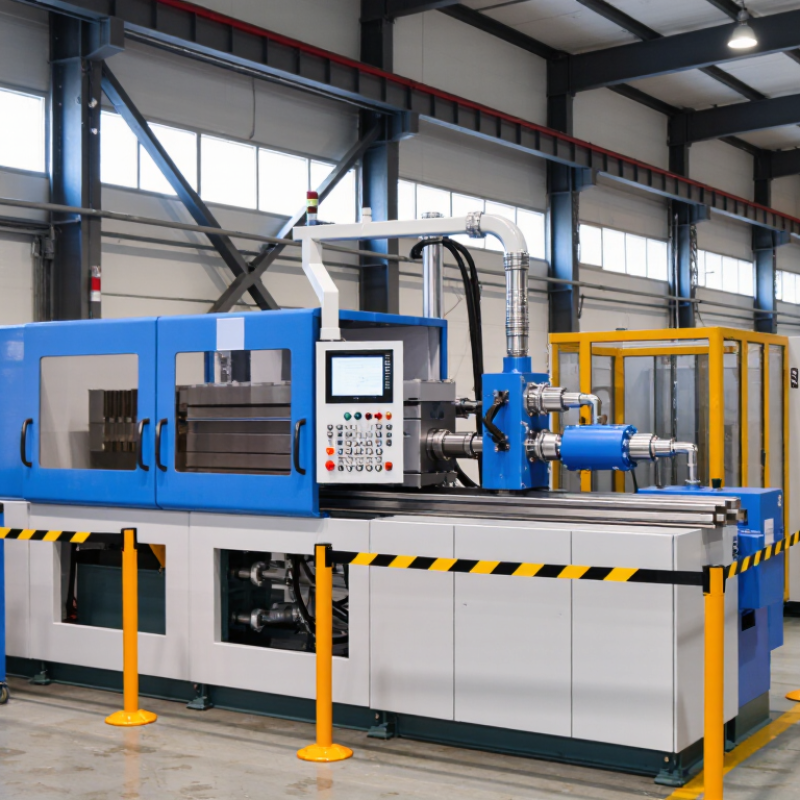
A hydraulic injection molding machine converts motor power into oil pressure. An electric motor drives a pump, which sends pressurized oil through valves to cylinders and hydraulic motors. These actuate the clamp, move the injection unit, and turn the screw. Pressure does the work. During injection, the screw pushes molten polymer into the mold; during holding, pressure helps compensate for shrinkage as the part cools.
Pump control shapes energy use. A fixed-speed pump may keep circulating oil when the machine is waiting, creating heat that the cooling system must remove. Variable-speed hydraulic systems can reduce pump output during low-demand periods, though actual savings depend on machine setup and cycle conditions. The U.S. Department of Energy’s 2014 Improving Motor and Drive System Performance sourcebook estimates that motor-driven systems use about 68% of U.S. manufacturing electricity. That figure is not specific to molding machines, but it shows why pump efficiency deserves attention. EUROMAP 60 provides a framework for comparing injection machines by specific energy consumption, commonly expressed in kilowatt-hours per kilogram. One practical blind spot remains: a low energy figure may not tell the whole story if cycle time, part quality, or material use differs.
Hydraulic systems use pressurized fluid to generate force. This chart applies Pascal’s principle and the formula force = pressure × piston area to example cylinder bores at a constant pressure of 20 MPa. Values are ideal extension forces; actual machine performance varies with pressure, friction, and system design. Cylinder force is not the same as a machine’s clamping force.
China Top Hydraulic Injection Molding Machine Suppliers
China’s Hydraulic Injection Molding Supplier Landscape
China’s supplier landscape spans large-volume factories, specialist engineering teams, and regional machine builders. Hydraulic presses remain relevant for demanding applications that need strong clamping force, stable pressure, or flexible process settings. Plastics Europe’s Plastics—the Fast Facts 2024 report estimates global plastics production reached 413.8 million tonnes in 2023. That scale supports continued demand for molding equipment, but it does not guarantee a supplier will fit a buyer’s process. A machine that looks capable on paper may still need careful testing with the actual resin, mold, and cycle time.
Compare more than quoted tonnage. Ask for repeatability data, energy-use figures under comparable operating conditions, and documented service response times. Check whether hydraulic components are locally stocked, and request a sample run using your own mold if possible. A report from the International Energy Agency notes that industrial motor systems account for a substantial share of industrial electricity use; however, that broad finding is not a machine-level efficiency rating. Treat supplier energy claims as estimates until operating conditions are clearly defined. Details matter.
Tips: Request a written acceptance test covering cycle time, part weight variation, leakage checks, and safety functions. Keep the test record. And revisit it after installation. Some buyers underweight technician training; that is easy to regret when a minor pressure fault stops a production line.
Profiles of leading Chinese hydraulic injection molding machine manufacturers should begin with evidence, not factory photographs. Grand View Research’s 2024 market report estimated the global injection molding machine market at about US$10.8 billion in 2023, with projected annual growth of 4.5% through 2030. These are market estimates, not purchasing guarantees. Supplier profiles should compare clamping-force ranges, injection repeatability, platen dimensions, and measured energy use. A 500-ton press may suit a thick appliance housing; a smaller press may better fit thin-wall packaging. Details matter.
Strong profiles also explain how machines are tested and supported. Ask for cycle-time records using comparable molds and materials, plus hydraulic oil temperature readings after continuous operation. ISO 20430:2020 outlines safety requirements for injection molding machines, so profiles should state how equipment is assessed against applicable standards. Check spare-parts availability and technician response times in the intended market. A profile is never the whole factory. That check is easy to miss. Supplier claims can sound precise, yet test conditions may differ from a buyer’s production line. Record the assumptions, then verify them with a witnessed trial.
When comparing hydraulic injection molding machine suppliers in China, begin with your part, not the catalog. Record the resin type, projected area, shot weight, and target cycle time. Then check whether the proposed clamping force and injection capacity leave a practical operating margin. A machine that barely meets the figures may struggle when material batches or temperatures change. Ask for a trial using a mold and resin similar to yours. Watch the pressure curve, part-weight variation, and oil temperature across repeated cycles. Small changes matter.
Tips: Request a written list of included options, commissioning tasks, and recommended spare parts. Compare service response times and troubleshooting access, not just purchase prices. Keep trial parts and machine settings for reference.
Also compare energy use, control functions, maintenance access, and the clarity of operating documents. Ask how the supplier verifies repeatability and what warranty conditions apply. Check that routine service points are easy to reach; a crowded cabinet or awkward filter location can cost time later. I would still leave room for doubt: a polished factory demonstration cannot predict every production shift. Request evidence, then confirm key details against your own production needs.
China Top Hydraulic Injection Molding Machine Suppliers
Chinese hydraulic injection molding machine suppliers serve manufacturers in automotive, home appliance, electrical, packaging, and general industrial sectors. In automotive production, machines may form dashboard components, trim, and durable interior parts. Appliance makers use them for washer panels, refrigerator liners, and sturdy housings. Electrical manufacturers often produce switch enclosures and protective cases, where consistent dimensions matter.
Packaging plants may choose hydraulic equipment for caps, containers, and other molded items. Larger machines can also handle substantial molds and parts with thicker sections. Yet application needs vary. A supplier should assess mold dimensions, resin type, required cycle time, and production volume before recommending machine capacity. Buyers sometimes focus too heavily on clamping force. That can leave energy use, maintenance access, or part quality underexamined. A trial with the intended material and mold can reveal issues that a specification sheet misses.
Tips: Share sample-part drawings, resin details, and target output when requesting a quotation. Ask about service response and spare-part availability. Small details matter.
| Industry | Typical Molded Products | Common Materials | Why Hydraulic Machines Are Used | Key Production Considerations |
|---|---|---|---|---|
| Automotive | Interior trim, instrument-panel components, storage compartments, ducts, and selected exterior plastic parts | Polypropylene (PP), ABS, polyamide (PA), and thermoplastic elastomers (TPE) | Hydraulic clamping and injection systems can support large molds and applications requiring substantial clamping force. | Part dimensions, surface finish, mold cooling, cycle time, and material-specific processing conditions |
| Household Appliances | Housings, control panels, handles, appliance bins, and internal structural components | ABS, PP, polystyrene (PS), and polycarbonate (PC) | Machine configurations can be selected for a range of part sizes, mold layouts, and production volumes. | Appearance requirements, dimensional stability, wall thickness, and consistent process control |
| Electrical and Electronics | Enclosures, connector housings, switch components, cable-management parts, and protective covers | PC, ABS, PA, and flame-retardant grades where specified | Hydraulic machines are used for molded components with varied mold sizes and cavity arrangements. | Electrical performance, flame-rating requirements, dimensional accuracy, and resin drying where required |
| Packaging | Caps, closures, containers, crates, and reusable plastic packaging components | PP, polyethylene (PE), and other packaging-grade thermoplastics | Suitable machine selection can accommodate different mold sizes and production requirements, including multi-cavity tooling. | Part weight, mold cavity count, cooling efficiency, cycle time, and material handling |
| Construction and Building Products | Pipe fittings, junction boxes, spacers, fastening components, and selected plumbing parts | PP, PE, PVC compounds, and ABS, depending on the application | Higher-clamping-force configurations can be considered for larger molds or parts with substantial projected areas. | Material compatibility, pressure or load requirements, dimensional tolerances, and applicable product standards |
| Medical and Laboratory Products | Non-implantable housings, trays, laboratory accessories, and selected disposable components | PP, PE, PC, and other application-approved thermoplastics | Hydraulic machines may be used when their configuration meets the part, mold, and process requirements. | Clean production conditions, traceability, material documentation, and validation requirements depend on the product and market |
| Agriculture and Outdoor Equipment | Equipment covers, irrigation fittings, housings, handles, and protective components | PP, PE, PA, and UV-stabilized grades where specified | Machine capacity can be matched to robust parts, larger molds, and varied production runs. | Impact resistance, weather exposure, wall thickness, and long-term material performance |
| Consumer Goods | Storage products, furniture components, tool housings, toys, and everyday plastic accessories | PP, ABS, PS, PE, and TPE | Hydraulic machine options can serve a broad range of mold sizes and product geometries. | Product appearance, ergonomics, color consistency, mold finish, and production cost targets |
Applications and material examples are general industry references. Actual machine selection depends on part size, resin, mold design, required clamping force, production volume, and applicable product standards.